
For global poultry buyers, choosing the right Chicken Water Drinker is a practical decision, not a simple product comparison. Water quality affects flock health, feed intake, growth, and daily management. A drinker may look efficient in a catalog, yet perform poorly under dusty farm conditions. Small leaks can wet litter, attract bacteria, and increase cleaning work.
As poultry nutritionist Dr. Peter R. Ferket puts it, “Water is the most important nutrient.” This principle guides the evaluation in this 2026 buyer’s overview. The comparison considers nipple, cup, bell, and automatic drinking systems. It also examines water flow, pressure control, material strength, installation, cleaning access, and replacement parts. These details matter in hot climates, cold regions, and areas with unstable water pressure.
Real farms rarely match product brochures. That is worth remembering. A stainless-steel drinker may resist corrosion, but poor adjustment can still waste water. A low-cost model may reduce purchase expenses, yet unavailable spare parts can create costly delays. Experienced buyers should check flock size, bird age, housing design, water source, and local service support before ordering. Hygiene remains central. Smooth surfaces, protected valves, and easy flushing can reduce residue around the drinking line. However, no drinker can replace routine inspection and safe water management.
This guide highlights leading options for international buyers in 2026. It does not assume one model suits every farm. Instead, it connects product design with real operating conditions, supplier reliability, maintenance demands, and long-term value. That approach helps buyers choose with greater confidence, while leaving room for careful testing before large-scale installation.
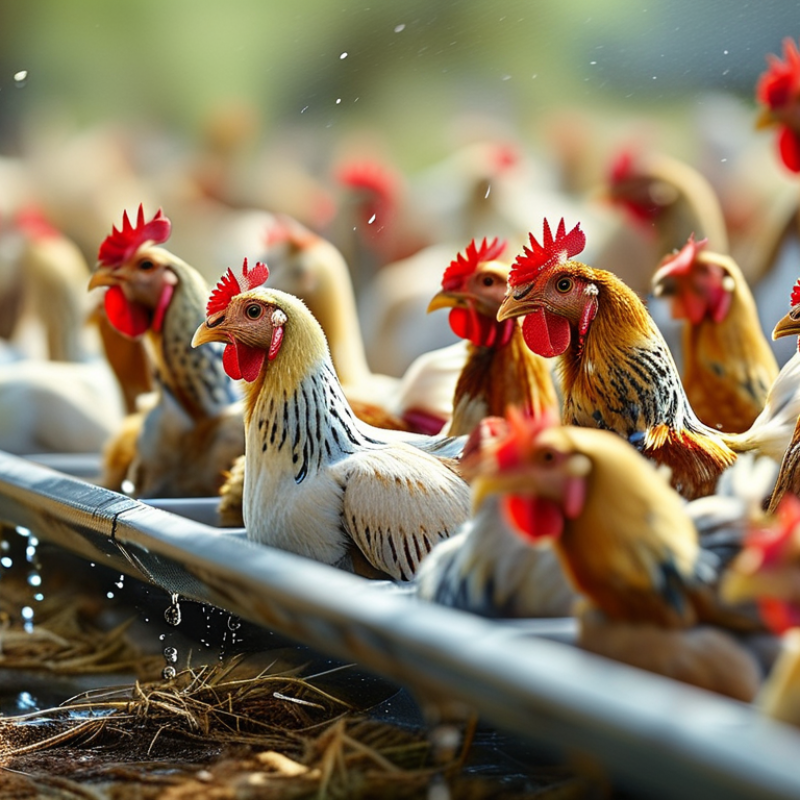
Chicken water drinkers support hydration, feed digestion, temperature control, and flock performance. They are not simple containers. A poor design can create wet litter, blocked valves, and uneven access.
The main types are nipple drinkers, cup drinkers, bell drinkers, and manual troughs. Nipple systems usually reduce contamination because birds drink without touching stored water. Cups are easier for young chicks, but they can collect dust and bedding. Bell drinkers provide wide access, although their open surfaces need frequent cleaning. Manual troughs suit small flocks, yet they demand closer daily supervision.
The FAO World Food and Agriculture Statistical Yearbook 2023 shows poultry remains a major global livestock sector, increasing pressure on efficient farm equipment. Commercial poultry management guides commonly recommend roughly 1.6–2.0 parts of water for each part of feed at moderate temperatures. Heat can raise demand sharply. That ratio is useful, but not universal.
Look for adjustable flow, strong food-grade materials, simple flushing, and visible water levels. A reliable drinker should work at different bird heights. It should also resist leaking when pressure changes. In my field observations, many “automatic” systems still fail because filters are ignored. Small particles matter. Water testing matters more than appearance. A clean tank does not guarantee safe water. FAO guidance and national poultry extension reports both stress sanitation, flow checks, and regular monitoring, though farm routines often remain imperfect.
Choosing a chicken water drinker for global use starts with water quality, not appearance. The World Health Organization’s Guidelines for Drinking-water Quality state that E. coli should be absent from every 100-millilitre sample. That is a useful benchmark, although poultry farms must also follow local veterinary rules. Select food-contact materials, sealed pipes, and parts that resist heat, sunlight, and disinfectants.
Drinker design must match the farm environment. Nipple systems reduce contamination from litter, while cup drinkers can help young birds find water quickly. Technical broiler management guides commonly report water-to-feed ratios near 1.6–2.0:1 under moderate temperatures. Hot climates can push consumption higher. A practical choice includes adjustable pressure, visible flow, and easy height control. Test every line before shipment.
Global buyers should also inspect drainage, spare-part availability, and cleaning access. The World Organisation for Animal Health emphasizes continuous access to suitable drinking water in its Terrestrial Animal Health Code. That requirement sounds simple. It is often missed. A drinker may work well in a cool trial room but fail beside dusty feeders or during a power interruption. I would request a sample, measure flow at several pressures, and check seals after repeated cleaning. No design is perfect. Sometimes the cheapest fitting becomes the most expensive part.
| Drinker Type | Typical Capacity or Scale | Recommended Flock Size | Suitable Water Source | Climate and Housing Fit | Main Advantages | Important Limitations | Global-Buyer Suitability |
|---|---|---|---|---|---|---|---|
| Bell Drinker | Commonly 3–30 L per unit; larger systems can cover multiple birds. | Small to medium flocks, depending on the number of units installed. | Gravity tank or low-pressure water line. | Indoor houses and covered areas; suitable for warm or mild climates. | Simple design, low initial cost, easy visual water-level inspection, and no electrical power required. | Open water surface can collect litter and droppings; frequent cleaning is required. | Good for small farms and basic installations. |
| Nipple Drinker Line | Usually installed as a continuous line; water capacity depends on the header tank or supply system. | Medium to large flocks when enough nipples are evenly distributed. | Pressurized line with a filter, regulator, and suitable water-pressure control. | Indoor commercial houses and enclosed poultry facilities in most climates. | Reduces open-water contamination, supports cleaner litter, and can be expanded for larger houses. | Requires correct pressure, installation height, flushing, and regular inspection for blocked or leaking nipples. | Best general choice for scalable poultry housing. |
| Cup Drinker | Individual cups are supplied by a low-pressure line; cup size is commonly about 80–150 ml. | Small to medium flocks, or targeted drinking points in larger systems. | Low-pressure tank or regulated water line. | Indoor or sheltered outdoor use; works well where birds need a visible water surface. | Easy for young birds to use, provides a visible water reserve, and generally wastes less water than open containers. | Cups may retain feed dust or litter and need routine washing; installation must prevent splashing. | Useful for mixed-age flocks and smallholder systems. |
| Hanging Manual Drinker | Commonly 1–10 L per unit. | Small backyard flocks and temporary brooder or grower areas. | Manually filled with clean drinking water. | Indoor, covered, or protected outdoor locations; not ideal for exposed windy areas. | Portable, inexpensive, easy to replace, and independent of plumbing or electricity. | Requires frequent refilling; raised or suspended positioning must be adjusted as birds grow. | Practical for household flocks and mobile setups. |
| Automatic Hanging Drinker | Typically 3–30 L reservoir capacity, depending on the design. | Small to medium flocks with regular access to a water supply. | Low-pressure water line or float-controlled reservoir. | Covered housing in warm, mild, or dry climates; protect from freezing temperatures. | Reduces manual refilling, maintains a more consistent water level, and is relatively simple to install. | Float valves can fail or clog; reservoirs still require cleaning and protection from direct sunlight. | A balanced option where labor saving is important. |
| Trough Drinker | Small troughs commonly hold 5–50 L; commercial troughs may be longer and supplied continuously. | Small to large flocks, depending on trough length and water-flow rate. | Manual filling or continuous water line with a float valve. | Indoor and sheltered outdoor areas; needs protection from mud, rain, and strong sunlight. | Many birds can drink at the same time, and water availability is easy to observe. | Open water is more exposed to contamination, spillage, algae, and wet litter than closed systems. | Suitable where simple access is more important than maximum hygiene. |
| Heated Drinker | Commonly 1.5–5 L for small units; larger heated systems are available for farm use. | Small to medium flocks in cold regions, with sufficient units for the flock. | Manual reservoir or regulated water line, depending on the model. | Cold climates and winter housing; requires safe electrical installation. | Helps prevent water from freezing and maintains access during frost conditions. | Needs a reliable power supply, weather-protected cables, safe grounding, and regular checks for electrical damage. | Recommended for freezing climates and winter operations. |
| Insulated Drinker | Usually 3–20 L per unit, depending on insulation thickness and reservoir size. | Small to medium flocks in regions with hot days or temperature swings. | Manual filling or low-pressure supply line. | Hot, sunny, or variable climates; should still be placed in shade whenever possible. | Slows heating of water, reduces direct sunlight exposure, and can help limit algae growth compared with clear open containers. | Insulation does not actively cool water; cleaning access and material durability must be checked. | Good for warm-weather farms without electrical cooling. |
| Automatic Trough with Float Valve | Typically 10–100 L or more, depending on trough dimensions and supply flow. | Medium to large flocks requiring a high-volume drinking point. | Pressurized or gravity-fed line with a compatible float valve. | Indoor or sheltered farm housing; install drainage to control spilled water. | Maintains a stable water level, reduces manual filling, and provides broad access for birds. | Open water can become contaminated; float valves need filtration and maintenance. | Appropriate for farms prioritizing high access and simple automation. |
| Portable Reservoir with Nipple Outlet | Commonly 5–20 L per portable reservoir. | Small flocks, quarantine pens, brooder areas, and temporary housing. | Manually filled reservoir; no permanent water line required. | Indoor or sheltered outdoor use; protect the reservoir from heat and freezing. | Cleaner than open containers, easy to relocate, and useful where plumbing is unavailable. | Limited capacity requires refilling; outlets must be checked for blockage and correct height. | Useful for remote, temporary, or flexible farm layouts. |
Selection note: For international use, compare drinking capacity, replacement-part availability, water-pressure requirements, material safety, cleaning access, freeze protection, and compatibility with local plumbing standards. All drinkers should provide clean water continuously and be positioned at an appropriate height for the birds' age.
For small flocks of two to six hens, a compact drinker with a stable base works well. A shallow reservoir allows quick cleaning and easy water-level checks. Nipple drinkers reduce litter contamination, but young birds may need gentle training. Place the unit at shoulder height to limit scratching and bedding inside. Small flocks need simplicity. A spare container is sensible during hot weather.
For seven to twenty birds, use several drinking points instead of one large container. This reduces crowding and helps quieter hens drink freely. Hanging drinkers keep the water above dusty litter and allow height adjustment as birds grow. Choose a wide opening for cleaning, with smooth internal surfaces and secure fittings. In my experience, two medium units are easier to manage than one oversized model. I once positioned a drinker near a doorway, and rainwater quickly spoiled the bedding. That choice was not ideal.
Large flocks need a distributed system with multiple nipple lines or connected cups. Each section should provide clear access without forcing birds to cross busy areas. Check water flow at the farthest point, not only near the supply tank. Flush the lines regularly, especially in warm conditions. A filter can help, but it cannot replace cleaning. Keep the reservoir shaded and inspect valves for leaks each morning. Design for the actual flock, not the advertised capacity. More capacity is not always better.
The chart estimates the recommended usable water capacity for different flock sizes. It uses a practical planning baseline of 0.25 liters per adult chicken per day and includes a 20% reserve for warm weather, spillage, and daily variation. Cup or nipple drinkers are suitable for small flocks, bell drinkers work well for medium groups, and multiple bell or automatic trough systems are more practical for large flocks.
Reliable chicken water drinkers begin with safe, durable materials. Food-grade plastic resists corrosion and remains light during cleaning. Stainless steel components offer stronger resistance to pecking and repeated disinfection. Avoid rough seams, exposed rust, and narrow internal corners. These areas can trap feed particles and encourage bacterial growth. Product certificates should be checked against the buyer’s local requirements.
Hygiene depends on daily observation, not equipment alone. Flush drinking lines regularly, especially after medication or vitamin use. Check water clarity, odor, and nipple leakage each morning. Install drinkers at the birds’ shoulder level, then adjust them as the flock grows. Incorrect height causes wet litter, wasted water, and uneven access. It is easy to overlook this detail. However, small installation errors can reduce flock comfort.
Tips: Keep spare seals and connectors on site. Clean tanks with a soft brush, not abrasive tools. Inspect blocked nipples individually. Record cleaning dates and water problems. Do not assume clear water is clean; laboratory testing may reveal contamination. Maintenance schedules should match local water hardness, temperature, and flock size. A perfect schedule rarely survives real farm conditions, so review it after each production cycle.
2026 Top Chicken Water Drinkers for Global Buyers
International buyers should treat drinkers as water-management equipment, not simple plastic fittings. FAO’s 2024 Statistical Yearbook reports global poultry meat production above 140 million tonnes, increasing pressure on reliable farm infrastructure. A drinker must match flock size, housing design, water pressure, and climate. In hot regions, birds drink substantially more, while dusty houses can block small valves quickly. Practical testing matters more than catalogue claims.
Check nipple flow, leakage, adjustment range, and cleaning access before purchase. Broiler management literature commonly reports water-to-feed ratios near 1.6–2.0 under moderate conditions, with higher demand during heat stress. Buyers should request measured flow data at actual operating pressure. Stainless steel contact parts, food-grade polymers, and UV-resistant components usually support longer service life. However, “food-grade” alone does not prove durability. Ask for material certificates, sanitation guidance, and independent test records.
Global shipments also require careful technical compatibility. Confirm thread sizes, pipe connections, spare-part availability, and installation instructions in clear English. Local water chemistry deserves attention. Hard water may create mineral deposits around valves, reducing flow. A low purchase price can look efficient. It may not be. Replacing blocked drinkers during a hot week is costly and stressful. OECD-FAO Agricultural Outlook 2024–2033 expects continued growth in poultry demand, yet equipment decisions still need farm-level trials. Request samples, test them with local water, and record leakage after repeated cleaning. Generic performance claims need questioning.
