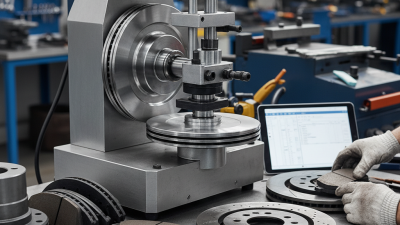
What is Advanced Metal Fabrication and Machine Technology?
Advanced Metal Fabrication and Machine Technology is a vital field in modern manufacturing. It combines precision engineering with innovative materials. This synergy enhances productivity and quality in numerous industries.
The process involves complex techniques and specialized machinery. Advanced metal fabrication requires a deep understanding of materials and processes. Experts play a key role in achieving desired outcomes. They use cutting-edge technology to accomplish intricate designs.
However, challenges abound. With the fast pace of technology, staying current is essential. Continuous learning is necessary for professionals. They must adapt to new tools and techniques. The journey in advanced metal fabrication and machine technology is one of growth and adaptation.
Understanding Advanced Metal Fabrication: Definition and Scope
Advanced metal fabrication encompasses a range of sophisticated techniques and processes used to create intricate metal structures. This field plays a crucial role across various industries, from automotive to aerospace. According to a report by Research and Markets, the global advanced metal fabrication market is projected to reach $25 billion by 2026, reflecting a compound annual growth rate of 4.5%. Such growth highlights the increasing demand for innovative solutions in metalworking.
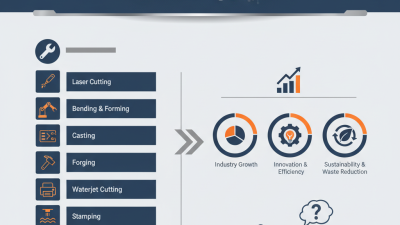
Understanding advanced metal fabrication requires insight into its scope. Techniques like laser cutting, precision machining, and 3D metal printing are at the forefront. These methods allow for greater design flexibility and efficiency. For instance, laser cutting can reduce material waste significantly. However, the high initial investment for machinery can deter smaller businesses. Companies must weigh the benefits of automation against the cost of adopting new technologies.
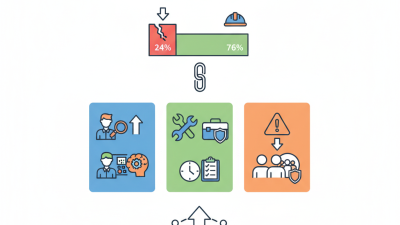
The skilled workforce in this sector cannot be overlooked. A shortage of trained professionals is becoming apparent. Reports suggest that nearly 50% of firms struggle to find qualified metal fabricators. This gap may hinder growth in the industry. Continuous training and education will be essential to address this issue. Each of these factors contributes to the evolving landscape of advanced metal fabrication.
Advanced Metal Fabrication and Machine Technology
Key Techniques in Advanced Metal Fabrication and Machine Technology
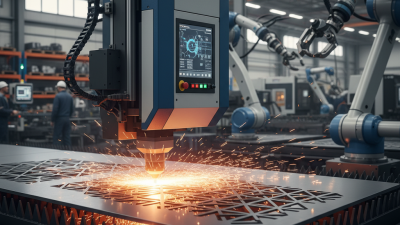
Advanced metal fabrication and machine technology encompasses various sophisticated techniques that enhance production processes. One prominent method is laser cutting. This technique allows for precision cuts in various materials. The speed and accuracy of laser cutting reduce material waste. However, it requires skilled operators to maximize efficiency.
Another key technique is CNC machining. This method utilizes computer-controlled tools for precise shaping and cutting. CNC machines can produce complex designs consistently. The challenge lies in programming these machines accurately. Errors in coding can lead to significant setbacks. Operators must have a strong understanding of both design and machine capabilities.
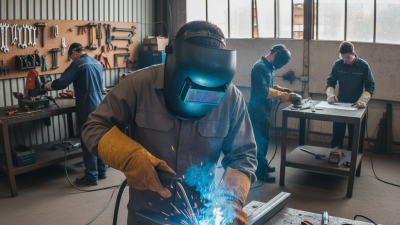
Welding is also essential in advanced fabrication. Various welding methods allow for strong joints and structural integrity. Each welding technique has its applications, advantages, and limitations. For instance, MIG welding is fast but may not be suitable for all metals. Understanding these nuances is vital for successful projects. The continuous evolution of these techniques demands ongoing learning and adaptation from professionals in the field.
Applications of Advanced Metal Fabrication in Various Industries
Advanced metal fabrication significantly impacts various industries. It enhances precision and efficiency, from aerospace to automotive sectors. These applications often involve complex processes like laser cutting, welding, and machining. The ability to fabricate intricate components allows for innovation in product design and functionality.
In the aerospace industry, advanced metal fabrication leads to lightweight structures. These structures improve fuel efficiency and performance. Similarly, in the automotive sector, custom parts can be produced to meet specific needs. However, this technology demands skilled labor and advanced machinery, which can be a challenge for some businesses.
Tips: Focus on employee training. Skilled workers ensure the best results. It’s also crucial to maintain the machinery properly. Regular checks can prevent costly downtime. Implementing quality control measures will enhance reliability and performance across applications. Drawing on real-world examples, companies have succeeded by investing in both technology and talent. Yet, many still struggle with adaptation. Reflect on your current processes and consider how advanced fabrication technologies can fit your goals.
What is Advanced Metal Fabrication and Machine Technology?
| Industry |
Application |
Technologies Used |
Benefits |
| Automotive |
Auto Parts Manufacturing |
CNC Machining, Laser Cutting |
Precision, Efficiency |
| Aerospace |
Frame and Structure Components |
3D Printing, CNC Milling |
Weight Reduction, Strength |
| Construction |
Structural Steel Fabrication |
Welding, Plasma Cutting |
Durability, Cost-Effectiveness |
| Electronics |
Enclosures and Frames |
Sheet Metal Fabrication |
Customization, Precision |
| Energy |
Wind Turbines Manufacturing |
Forging, Machining |
Renewable Energy, Efficiency |
Benefits and Challenges of Implementing Advanced Metal Fabrication
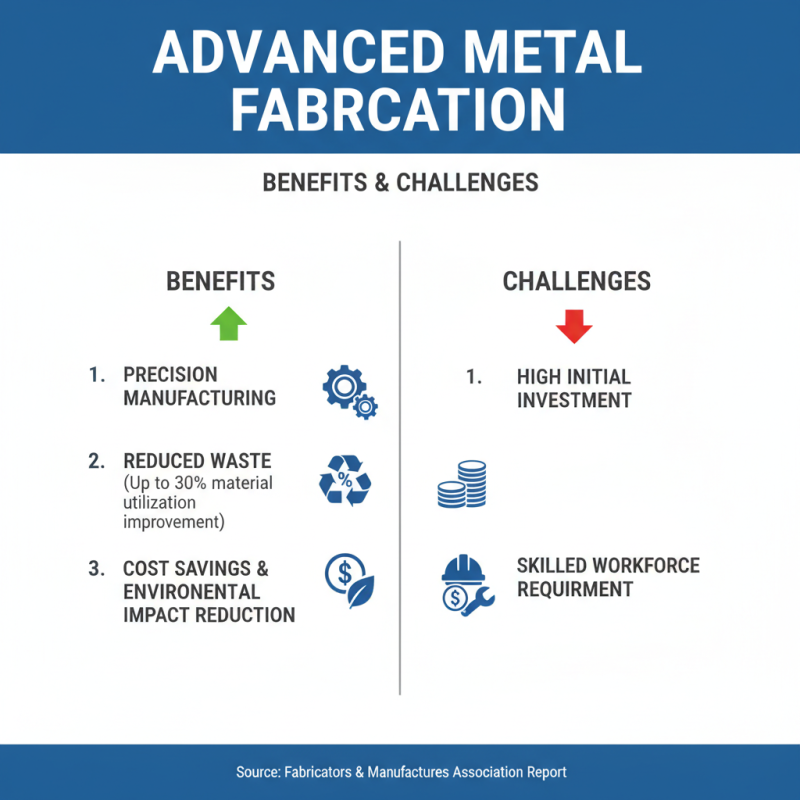
Advanced metal fabrication offers numerous benefits, but it also presents challenges that need careful consideration. This technology allows for precision manufacturing, reducing waste significantly. According to a recent report by the Fabricators & Manufacturers Association, advanced methods can improve material utilization by up to 30%. This efficiency not only cuts costs but also lessens the environmental impact of production.
However, integrating advanced metal fabrication is not without obstacles. Many companies face a steep learning curve. Workers may require extensive training to master complicated machinery. Additionally, initial investments in advanced technology can be high. A survey indicated that 42% of manufacturers list upfront costs as a significant barrier to adoption. Furthermore, organizations might struggle with integrating new technology into existing workflows, leading to potential disruptions. Balancing these challenges against the clear benefits requires thoughtful planning.