What is an Arc Cutting Machine and How Does it Work?
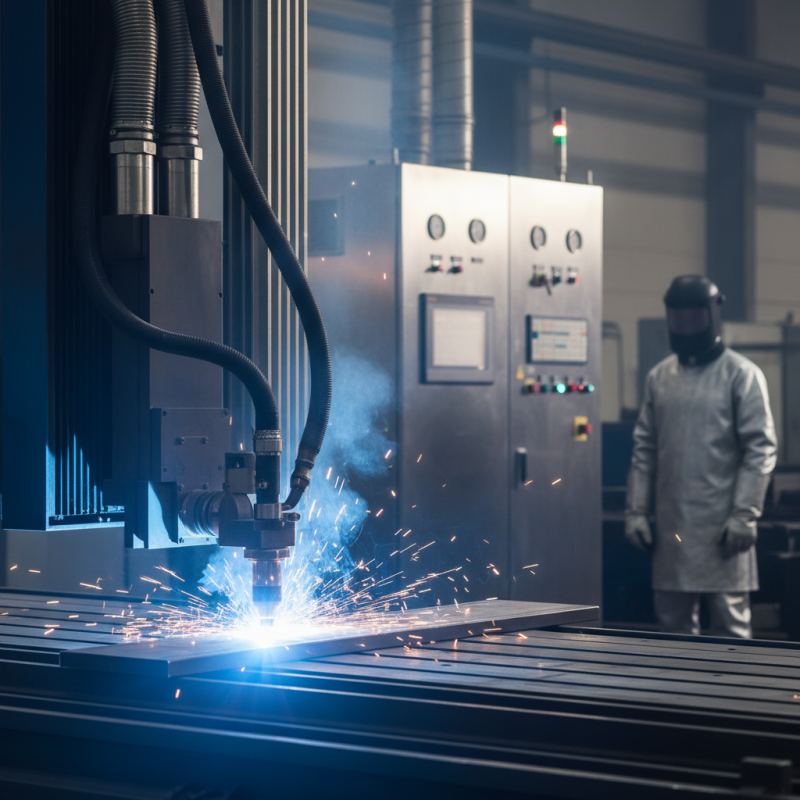
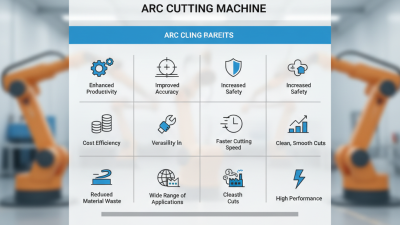
The arc cutting machine is a key tool in various industries. It utilizes an intense electric arc to slice through metal efficiently. In recent years, the global adoption of arc cutting machines has surged. Industry reports indicate that the market is expected to grow at a CAGR of over 5% from 2021 to 2026.
This machine is favored for its precision and speed in cutting. It can handle thick and complex materials which traditional methods struggle with. However, safety concerns remain a critical issue. Many operators report challenges with exposure to fumes and electrical hazards.
The technology behind arc cutting continues to evolve. Automation and improved user interfaces have made these machines more accessible. Yet, industry professionals must remain vigilant about training and best practices to ensure safety. Ongoing education will help enhance reliability and performance in operations involving arc cutting machines.
Definition and Overview of Arc Cutting Machines
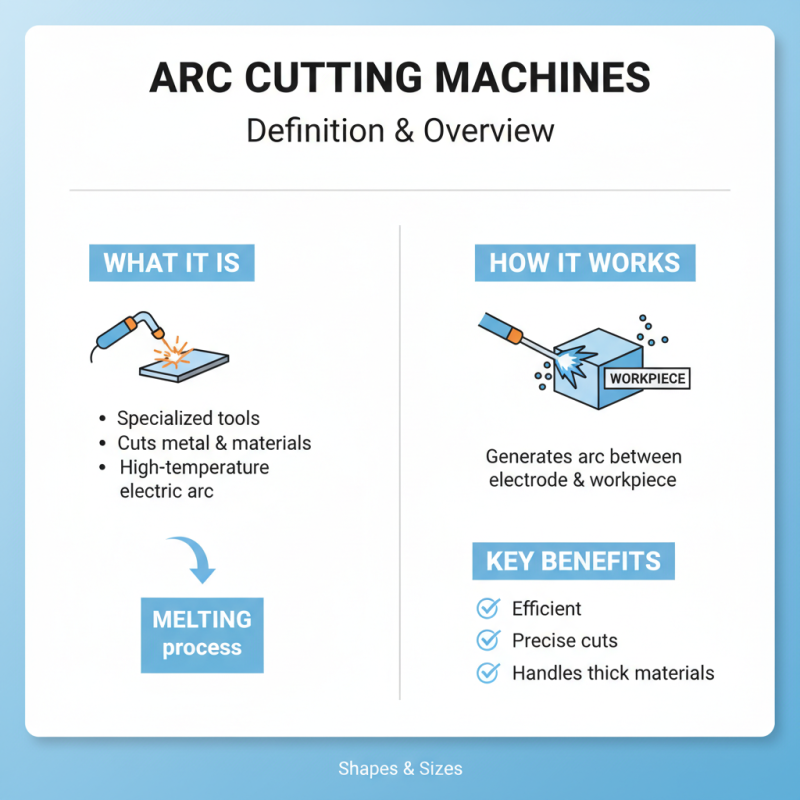
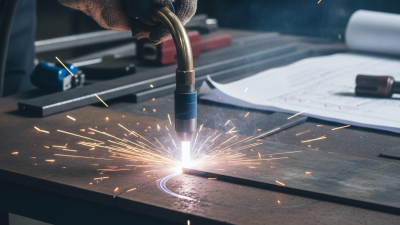
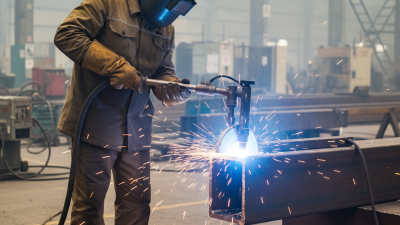
Arc cutting machines are specialized tools used for cutting metals and other materials through a high-temperature arc. The machine generates an electric arc between the workpiece and the cutting electrode. This process melts the material, allowing for precise cuts in various shapes and sizes. Unlike traditional cutting methods, arc cutting is efficient and can handle thick materials.
These machines come with different configurations to suit specific tasks. Some are handheld for portability, while others are automated for industrial use. Users often find that arc cutting improves productivity significantly. However, mastering the technique requires skill and practice. Safety is a major concern, as the high temperatures produced can be hazardous. Proper protective gear is essential when operating these machines.
Despite their advantages, arc cutting machines have limitations. They may not be suitable for all materials, and the quality of the finish can vary. Users sometimes experience difficulty in maintaining consistent cutting speed. Additionally, the aftermath can leave rough edges needing further refinement. Exploring the nuances of these machines enhances understanding, leading to more effective applications in metalworking and fabrication.
Key Components of Arc Cutting Machines
Arc cutting machines are powerful tools used for metal fabrication. Their key components work together to create precise cuts through various materials. Understanding these parts is essential for effective operation and maintenance.
The power supply is the heart of the arc cutting machine. It delivers the necessary electrical current to create the plasma arc. This arc reaches extremely high temperatures, allowing it to cut through metal effortlessly. The torch is another critical component. It directs the arc and ensures that the cutting process is accurate and efficient. Proper handling of the torch is vital.
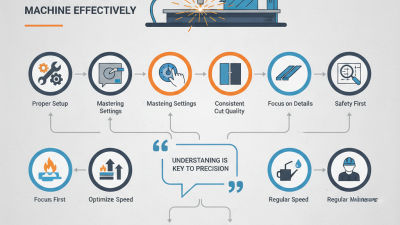
For safety, always wear protective gear. Sparks and heat can cause injuries. Regular maintenance checks of the components can prevent malfunctions. Inspect cables and connections often. A loose connection can lead to inconsistent cuts or equipment failure. Practice is essential for mastering technique. Operators should spend time familiarizing themselves with the machine to enhance their skills.
What is an Arc Cutting Machine and How Does it Work? - Key Components of Arc Cutting Machines
| Component |
Description |
Function |
| Power Supply |
Provides electrical energy to create the arc. |
Generates the high voltage needed for the arc. |
| Electrode |
Conducts electricity and initiates the arc. |
Forms the cutting arc by delivering current to the workpiece. |
| Nozzle |
Directs the plasma or flame used for cutting. |
Focuses the arc for precision cutting. |
| Workpiece Holder |
Holds the material being cut securely in place. |
Ensures stability during the cutting process. |
| Control System |
Manages the operation of the cutting machine. |
Controls speed, pressure, and trajectory of the cut. |
Principles of Operation and Cutting Techniques
Arc cutting machines are crucial in industrial settings for precision metal cutting. Their operation relies on a process called arc welding, which produces an electric arc between the electrode and the workpiece. This arc generates intense heat, melting the metal and allowing it to be cut accurately. Operators must control the movement speed to achieve clean cuts. The angle of the electrode also plays a pivotal role in shaping the final outcome.
Different cutting techniques are used based on the material and thickness. Plasma arc cutting, for instance, is effective for thicker metals. It employs a high-velocity jet of ionized gas to cut through. For thinner materials, a lower-energy arc might be preferable. Despite their efficiency, one common issue is inconsistencies in the cut edge. This can arise from incorrect settings or operator error. Understanding the machine's feedback is essential for refining techniques.
Training is vital to mastering these machines. Operators often learn through hands-on experience. However, mistakes can happen, leading to wasted materials or time. Analyzing these errors helps improve future operations. Keeping a reflective mindset fosters skill development and enhances cutting precision.
Arc Cutting Machine Performance Comparison
This chart illustrates the cutting speed of an arc cutting machine across different materials including steel, aluminum, copper, brass, and plastic. The values presented reflect typical cutting speeds achievable when using an arc cutting machine, showcasing its efficiency in different applications.
Applications and Industries Utilizing Arc Cutting Machines
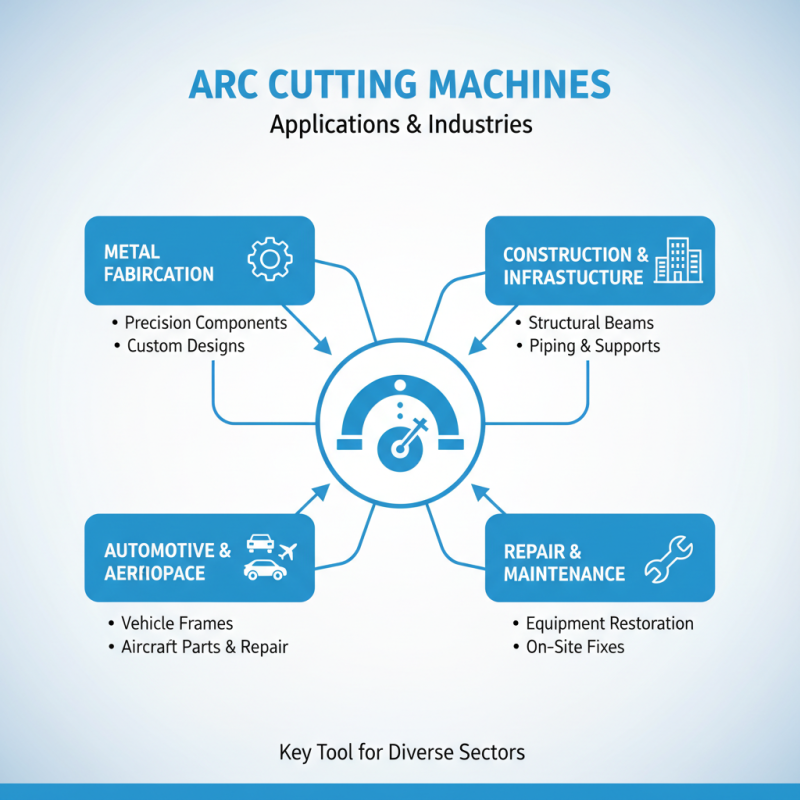
Arc cutting machines are vital tools in various industries. They excel in metal fabrication, construction, and repair projects. The ability to cut through various materials quickly makes them indispensable for many applications. From creating precise components in aerospace to needing repairs in automotive production, these machines serve multiple purposes across diverse sectors.
In the construction industry, arc cutting machines are essential for cutting steel beams and metal sheets. Their efficiency reduces project timelines significantly. Additionally, in the manufacturing sector, these machines play a key role in producing intricate parts with high precision. Another application is in shipbuilding, where they ensure that heavy components can be shaped and joined effectively.
Tip: Always ensure proper safety measures when operating arc cutting machines. Use protective gear to avoid injuries from sparks and heat.
While these machines are powerful, users should regularly assess their setup and maintenance. Poor maintenance can lead to uneven cuts and increased operating costs. Training users adequately is crucial. Knowledge of proper techniques can prevent costly mistakes.
Tip: Regularly check and calibrate the machines to maintain cutting quality.
Safety Considerations and Best Practices in Arc Cutting
Arc cutting machines are powerful tools used in various industrial applications. When using these machines, safety must be the utmost priority. Arc cutting involves creating high-temperature arcs that can pose risks. Proper safety measures help prevent accidents and injuries.
Wearing appropriate PPE is essential. This includes helmets, gloves, and fire-resistant clothing. Ensure that the work area is well ventilated. Remove any flammable materials from the vicinity. Regularly inspect the equipment for wear or damage.
Tips for safe operation include never cutting in damp conditions. Wet surfaces increase the risk of electrocution. Always keep a fire extinguisher nearby. Be aware of the arc's intensity; it can cause severe burns. Lastly, make sure you are well-trained and understand the machine's operation before use. Familiarizing yourself with the equipment enhances safety and efficiency, making the process smoother.