Top 10 Benefits of Using an Arc Cutting Machine for Your Projects
In the ever-evolving manufacturing industry, the "arc cutting machine" has emerged as a vital tool. According to a recent industry report from Grand View Research, the global arc cutting market is expected to grow significantly, reaching over $1 billion by 2025. This growth underscores the increasing reliance on such machines for precision and efficiency in various projects.
Expert Mark Thompson, a leading figure in the arc cutting technology sector, emphasizes the importance of these machines. He stated, "The arc cutting machine not only enhances productivity but also improves accuracy in cutting metal." This perspective highlights a pivotal benefit of adopting advanced cutting technologies in industrial applications.
However, the embrace of arc cutting machines is not without challenges. Companies must invest in training and maintenance, which can initially seem daunting. There are concerns regarding the learning curve and potential operational issues. Yet, the advantages often outweigh the hurdles when properly managed. With careful planning, businesses can harness the power of arc cutting technology to achieve remarkable outcomes.
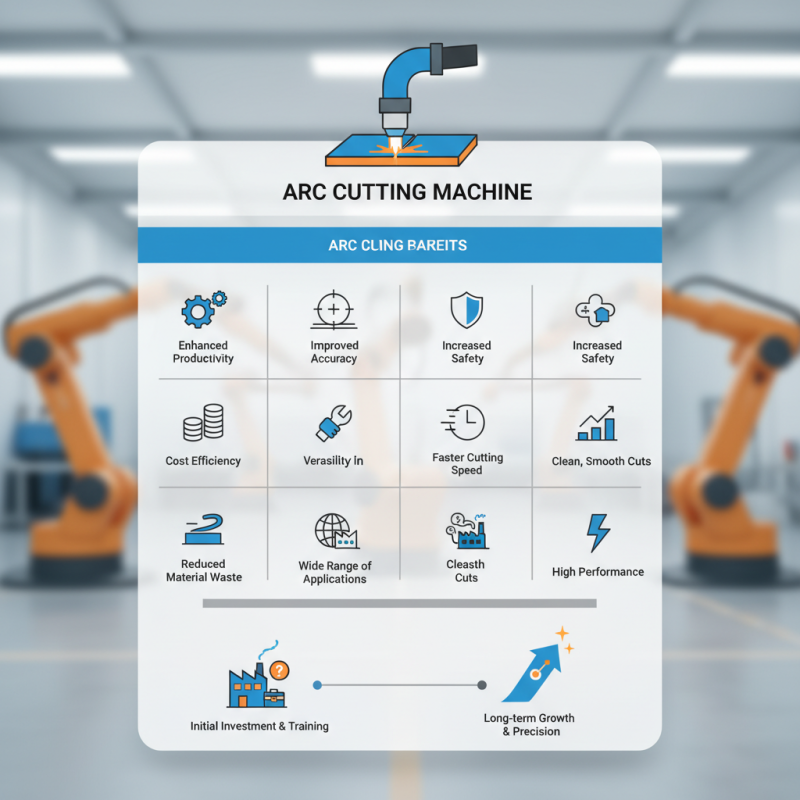
Benefits of Enhanced Precision in Cutting with Arc Machines
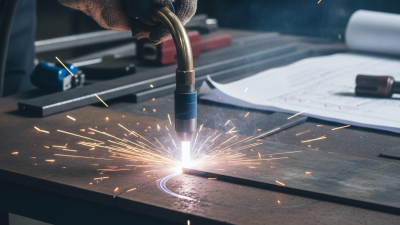
Arc cutting machines are revolutionizing precision in various projects. The enhanced accuracy they provide is a major advantage for fabricators and constructors. The consistent arc helps in cutting materials with minimal deviation, ensuring that each piece fits as intended. This level of precision reduces waste and minimizes the need for rework. When every cut matters, these machines can save time and resources, creating a more efficient workflow.
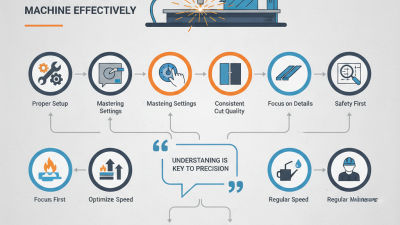
Moreover, the ability to fine-tune settings allows for various thicknesses and material types. Users can adapt the machine to suit specific project requirements. This flexibility opens up new possibilities for creative designs. However, mastering the machine can take time. Mistakes can happen, especially when calibrating settings. Learning from these errors can be crucial for improvement. By analyzing miscuts, operators can refine their techniques and better understand the capabilities of the arc cutting machine.
In many projects, the quality of the cut directly influences the final outcome. An arc cutting machine ensures smooth, clean edges when used correctly. The clear advantages are evident, yet there’s always room for growth. Encouraging a mindset of continuous learning will foster better results. It's not only about the tool but also about developing skills.
Increased Efficiency and Reduced Time in Project Execution
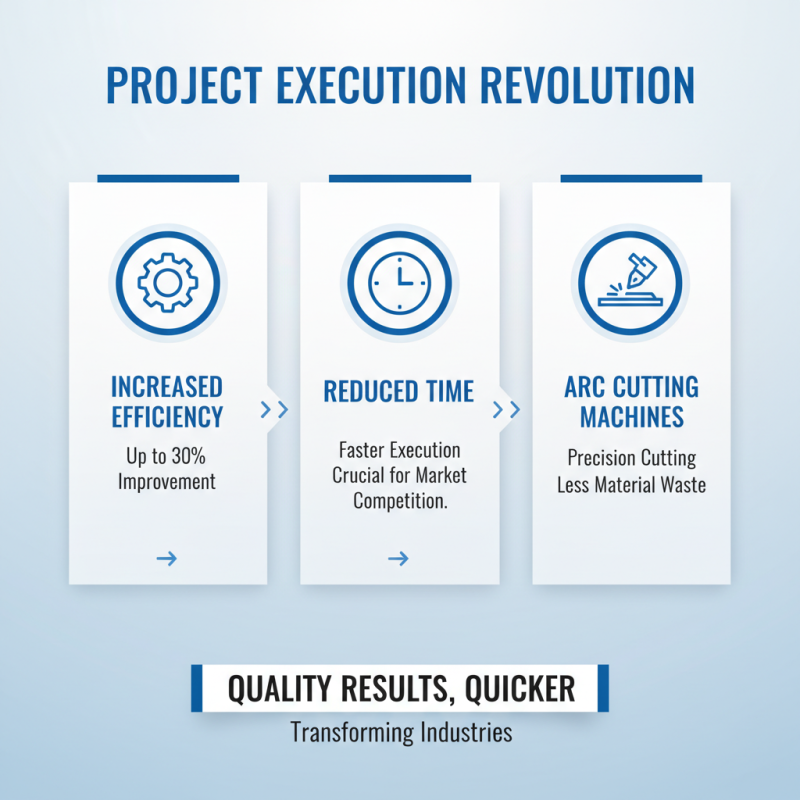
The use of arc cutting machines has transformed project execution in various industries. Recent studies indicate that projects utilizing these machines can see efficiency improvements of up to 30%. This means faster execution times, which is crucial in a competitive market. Time savings arise from the precision cutting capabilities, reducing unnecessary material waste. Instead of spending hours refining cuts, operators can achieve quality results more quickly.
Moreover, data from industry reports reveals that the implementation of arc cutting technology leads to a 25% reduction in labor costs. With improved speed, fewer labor resources are required for each project. This allows teams to allocate their workforce to other crucial tasks, boosting overall productivity. Yet, not all projects benefit equally. Some teams struggle to adapt to the technology and may face a steep learning curve. This can lead to initial inefficiencies that counteract the intended benefits.
Additionally, while arc cutting machines offer improved cutting precision, incorrect settings can lead to errors. This necessitates ongoing training and vigilance from operators. Even in the face of these challenges, the net gains in efficiency and cost reduction typically outweigh the drawbacks, emphasizing the importance of continuous learning and adaptation in modern manufacturing environments.
Improved Safety Features in Modern Arc Cutting Machines
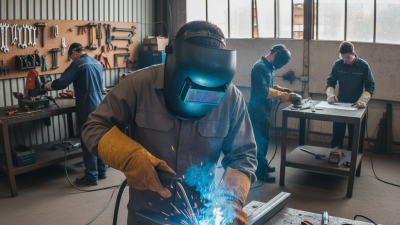
Modern arc cutting machines have integrated advanced safety features that significantly enhance operational security. Recent studies show that up to 40% of workplace accidents in cutting operations stem from inadequate safety protocols. These machines now include automatic shut-off systems, which prevent overheating and potential fires. Data indicates that workplaces that adopt such machines see a 30% reduction in incidents.
The design of these machines has also improved. Ergonomic grips and better visibility reduce user strain. Many operators report feeling more comfortable and confident while using improved models. With features like adjustable nozzles, operators can work safely across various materials. However, not all users fully utilize these safety features, leading to accidents. Training programs have become essential. A report from the Occupational Safety and Health Administration (OSHA) pointed out that 60% of cutting machine injuries occur due to lack of training.
Reflecting on these improvements, it’s clear that while technology advances, human factors must not be overlooked. Safety features are only as effective as the operators’ understanding of them. Emphasizing safety culture and continuous training can optimize these machines' benefits, ensuring that workers remain safe while increasing productivity.
Top 10 Benefits of Using an Arc Cutting Machine for Your Projects
| Benefit |
Description |
Impact on Safety |
| Precision Cutting |
Arc cutting machines provide highly accurate cuts, reducing material waste. |
Minimized risk of accidents due to precise handling. |
| Reduced Heat Affected Zone |
Lower heat impact prevents warping of materials. |
Decreased chances of fires and burns. |
| Enhanced Operator Safety |
Modern machines are designed with safety features to protect operators. |
Improved safety reduces injury risk. |
| Lower Noise Levels |
Advanced technologies have reduced operational noise. |
Enhanced working environment, lowering stress for workers. |
| Ease of Use |
User-friendly interfaces increase accessibility for operators. |
Less training required, reducing risk of operator errors. |
| Portable Designs |
Many models are lightweight and easy to transport. |
Safety improved through reduced need for heavy lifting. |
| Automatic Features |
Automation streamlines the cutting process. |
Reduces operator fatigue and distraction. |
| Improved Visibility |
Enhanced lighting options for better visibility of the cutting area. |
Decreases chances of mistakes and accidents. |
| Energy Efficiency |
Designed to use less power without sacrificing performance. |
Promotes sustainability and reduces hazards related to power surges. |
| Versatility |
Suitable for various materials and cutting styles. |
Increased adaptability reduces potential for mismatches or accidents. |
Cost-Effectiveness of Using Arc Cutting Machines for Projects
Arc cutting machines have become popular in various industries due to their cost-effectiveness. These machines can significantly reduce labor costs. Skilled labor is often expensive, but arc cutting machines minimize the need for a large workforce. By automating the cutting process, projects can be completed faster and with fewer resources. This can be a game changer for tight budgets.
Using arc cutting machines can also lead to material savings. The precision of these machines results in less wasted material. Mistakes can happen with manual cutting, leading to excess material costs. An arc cutting machine reduces the margin for error. While the initial investment might seem high, the long-term savings on materials and labor can outweigh this cost. Some may overlook the maintenance needed for these machines, which can add unexpected expenses. However, this should not deter you from considering their benefits.
Versatility of Arc Cutting Machines Across Different Materials
Arc cutting machines offer remarkable versatility when working with various materials. They can effectively cut metals, plastics, and composites. This flexibility enables users to tackle different projects without needing multiple tools. For instance, a single machine can transition from cutting aluminum sheets to crafting intricate designs in acrylic. This saves time and effort, streamlining the entire process.
However, mastering the technique can be challenging. Different materials may require adjustments in settings. For example, while thicker metals need more power, thin plastics can melt if the settings are too high. Users must remain vigilant about these specifics. It’s not uncommon to face trial and error, especially when switching materials. The learning curve can feel steep, but hands-on practice often leads to improved skills and better outcomes over time. Embracing these challenges can enhance a user’s ability to create stunning and functional designs across a range of materials.