2026 How to Choose the Best Welding Machinery for Your Needs?
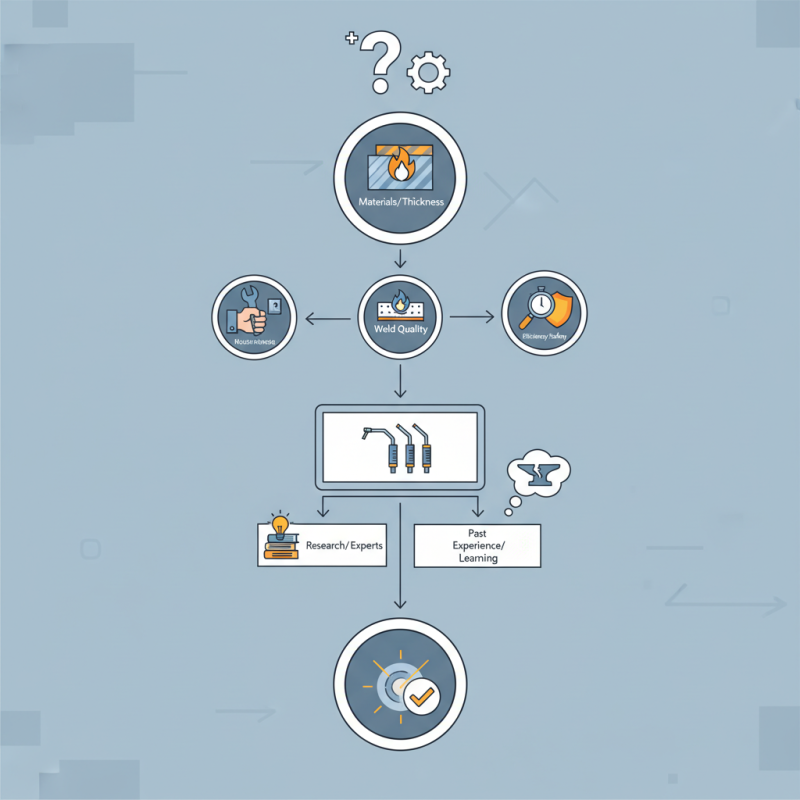
Choosing the right welding machinery is crucial for any welding project. It's not just about the type of machine; it's about matching the equipment to your specific needs. Many factors influence this decision. You must consider materials, thickness, and desired weld quality. These elements shape the equipment you ultimately select.
Proper welding machinery enhances efficiency and safety. The wrong choice can lead to frustration and wasted resources. Evaluating different options takes time and care. Researching various machines and consulting experts can offer insights. Each machine has unique features that cater to specific applications. Understanding these details is vital.
Ultimately, the best welding machinery is the one that meets your demands. It's about what works for you, not just the latest model. Reflect on your past experiences and the machines used. Learn from previous mistakes to make a better choice today. This thoughtful approach can lead to successful welding projects and improved results.
Understanding Different Types of Welding Machinery and Their Applications
When considering welding machinery, understanding the types available is crucial. MIG, TIG, and Stick welding are the most common. Each type has unique strengths suited for specific tasks. For instance, MIG welding is user-friendly and efficient, making it ideal for beginners. It works well for thin materials, such as sheet metal.
TIG welding, on the other hand, offers precision. This method is great for intricate work like automotive and aerospace applications. It requires more skill and practice, but the results are often superior. Stick welding excels in outdoor settings and on thicker materials. It's versatile but can leave more cleanup.
Tips for choosing the right machine: Focus on your project needs first. Think about the materials you will work with. Assess your skill level honestly. A less complex machine may hinder a beginner's learning curve. Always consider the weight and portability of the machinery, especially if you need to move it frequently. Don’t rush your decision. Take time to reflect on your objectives and budget. Each welding process has its own charm, but knowing what you need makes all the difference.
Key Factors to Consider When Selecting Welding Equipment for Your Projects
Choosing the right welding machinery is crucial for project success. Understanding your specific needs will guide your decision-making process. Key factors include power requirements, welding type, and duty cycle. A report from the American Welding Society indicates that 60% of welding failures stem from equipment mismatch. This highlights the importance of choosing suitable machinery for each task.
Tips: Assess your project demands. Are you working on thick materials or thin sheets? The answer determines your welding method. For instance, MIG welding is popular for its versatility with various metals. In contrast, TIG welding offers precision for thin materials.
Another factor is the portability of equipment. If your projects vary in location, look for lightweight options. A survey by the Fabricators and Manufacturers Association found that 40% of welders prioritize mobility. This flexibility can enhance productivity and efficiency. Ensure you evaluate power sources too. Electrical requirements differ across settings, making it vital to choose compatible machinery.
Evaluating the Power Requirements and Specifications of Welding Machines
When considering welding machinery, understanding power requirements is crucial. Different welding processes demand various power levels. For instance, MIG welding usually requires less power compared to TIG welding. Assess the maximum voltage and amperage your projects require. This ensures that the machine can handle your tasks efficiently.
Specifications also play a vital role. Look at duty cycles, which indicate how long a machine can operate before needing a break. A higher duty cycle means more extended use without downtime. For heavy-duty work, this feature is essential to avoid interruptions. Evaluate the welding machine’s weight and portability if you need to move it frequently. A machine that is too heavy may slow down your workflow.
Power efficiency is another factor to reflect on. Many high-performance models consume more energy. It’s important to find a balance between power and energy use. Analyze the long-term costs associated with higher power requirements. Sometimes, machines that appear cheaper may lead to higher utility bills. This reflection can lead to better choices in the long run.
Assessing Your Skill Level and the Learning Curve of Various Welders
When selecting the right welding machinery, your skill level plays a crucial role.
Beginners may find stick welders easier to master. They are forgiving and perfect for learning the basics.
MIG welders, on the other hand, offer a gentle learning curve. They provide a stable arc, making the process manageable for novices.
More experienced welders might prefer TIG welding. TIG offers precision but demands practice.
A welder's ability to manipulate the torch and filler rod requires patience and focus.
This can be frustrating for some.
Do you have the time to invest in mastering this skill?
Evaluating your current abilities is essential. Assess how comfortable you are with tools and machinery.
Some may rush into advanced techniques without proper groundwork.
It’s vital to acknowledge areas that need improvement.
Each type of welder offers distinct advantages and challenges. Taking time to explore these can lead to better choices in the long term.
Budgeting for Welding Machinery: Cost vs. Quality Considerations
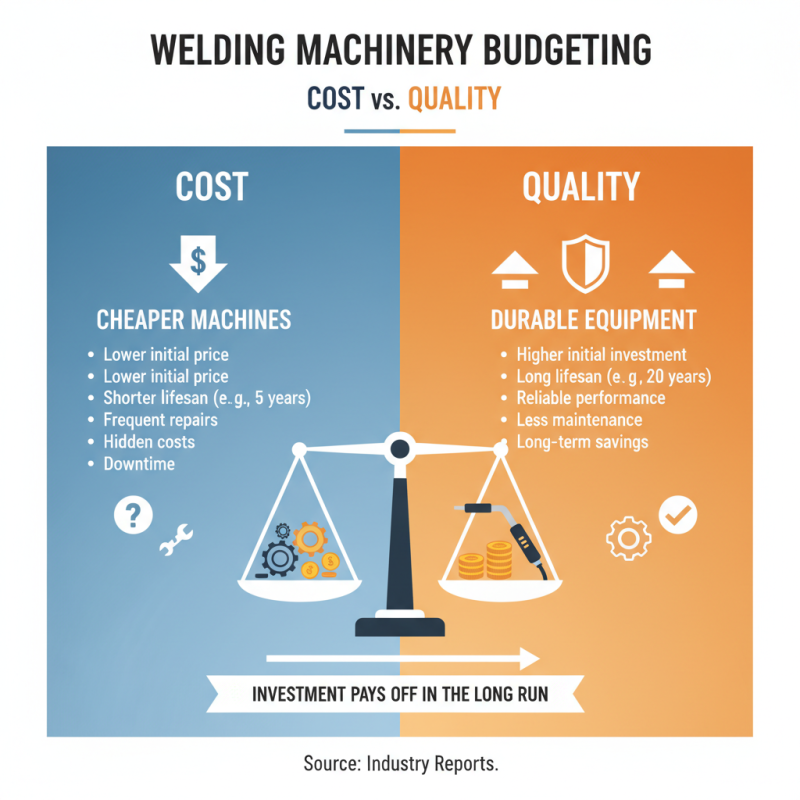
When budgeting for welding machinery, the balance between cost and quality is crucial. According to industry reports, high-quality welding machines can last up to 20 years with proper maintenance. Investing in durable equipment often pays off in the long run. However, cheaper options may seem appealing at first. These machines frequently lack longevity and can incur hidden costs through repairs and replacements.
Data from the American Welding Society indicates that companies that prioritize quality reduce downtime by 25%. Each breakdown can cost a business hundreds of dollars in lost productivity. Additionally, workers using unreliable machines may experience increased safety risks. It's vital to ensure machinery meets both industry standards and worker needs.
Considering your specific requirements is essential. Opting for advanced features may enhance welding outcomes but could strain budgets. As you evaluate options, think critically about what you truly need versus what could be a luxury. Sometimes, striking a balance between initial costs and long-term performance requires thoughtful reflection.