How to Choose the Right Metal Finishing Machine for Your Needs?
Choosing the right metal finishing machine can significantly impact your manufacturing process. These machines enhance the appearance and durability of metal products. With many options available, it’s crucial to understand your specific needs before making a choice.
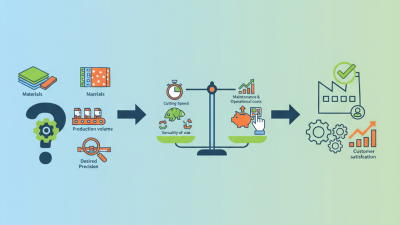
Consider the type of metal you will be finishing. Different finishes apply to varying materials, such as aluminum or stainless steel. The machine's capacity is also a key factor. It should match your production volume to avoid bottlenecks. While price is important, do not compromise on quality. An inexpensive metal finishing machine may have hidden costs in maintenance or inefficiency.
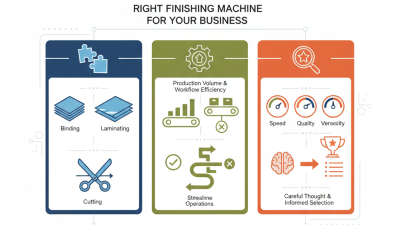
Many users report challenges in selecting the right machine. Some find that their chosen model does not meet their operational needs. It is essential to research and compare features, like speed and versatility. Additionally, seek expert advice when in doubt. A well-informed decision can lead to improved productivity and reduced waste in your operations.
Understanding Different Types of Metal Finishing Machines and Their Applications
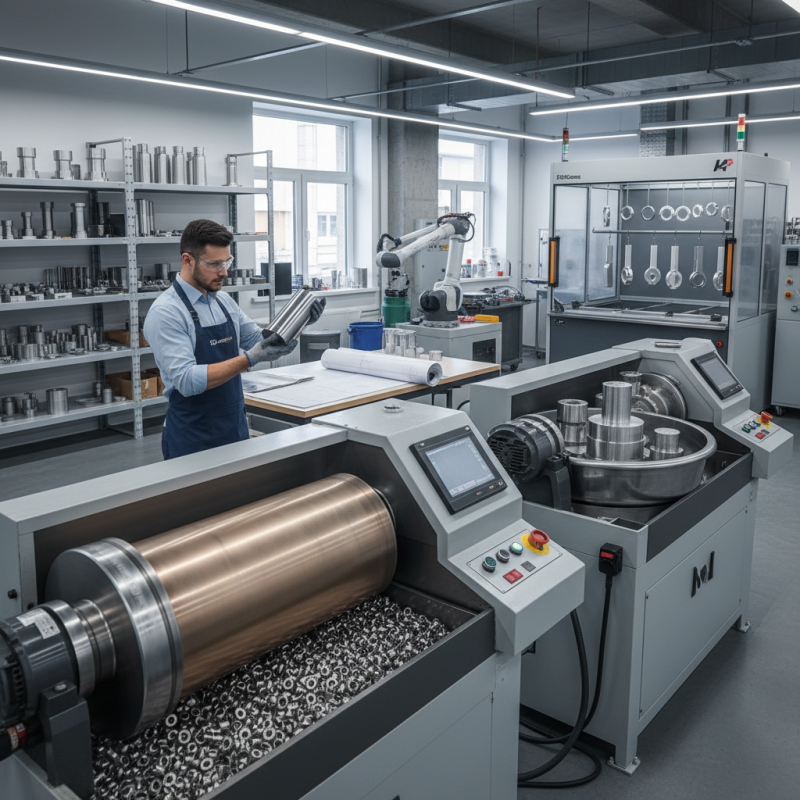
When selecting a metal finishing machine, understanding the different types available is crucial. Common types include vibratory finishing machines, barrel tumblers, and shot peening machines. Each serves unique purposes and suits varying applications. Vibratory machines are ideal for smoothing and polishing small parts, while barrel tumblers handle larger items effectively. Shot peening machines, on the other hand, enhance surface strength and durability.
Different materials require specific approaches. For instance, aluminum components often need softer finishing techniques to avoid damage. Conversely, steel parts can endure more aggressive treatments. Users should also reflect on their production volume. High-volume operations might benefit from automated solutions, while low-volume tasks could justify manual equipment.
Potential challenges include maintenance and operator training. Machines require regular upkeep to ensure consistent output. Without proper training, operators risk making errors that could lead to surface defects. A careful assessment of your company's needs and capabilities can prevent costly mistakes. Balancing efficiency with quality is essential in choosing the right metal finishing machine.
Metal Finishing Machines: Types and Applications
Key Considerations in Selecting a Metal Finishing Machine for Your Project
Choosing the right metal finishing machine can be a daunting task. The metal fabrication industry is projected to reach $7.8 trillion by 2026, highlighting the growing demand for efficient machinery. To make an informed choice, consider the specific needs of your project. Factors such as the type of metal and desired finish are critical.
One key consideration is the machine's compatibility with materials. Different metals require distinct methods. For instance, stainless steel might need different handling compared to aluminum. Industry data indicates that improper equipment could lead to defects, resulting in a potential 30% increase in project costs due to reworks.
Additionally, the machine's capacity plays a vital role. Does it meet your production volume? A machine that cannot keep up can create bottlenecks. It's also worth reflecting on your budget. Equipment costs can vary significantly. Investing in a more reliable machine can save money in the long run, but this involves initial sacrifices. Understanding these details helps ensure that your choice aligns with practical needs.
How to Choose the Right Metal Finishing Machine for Your Needs?
| Machine Type |
Application |
Material Compatibility |
Finishing Quality |
Cost Estimate |
| CNC Milling Machine |
Precision machining |
Aluminum, Steel, Brass |
High |
$50,000 - $150,000 |
| Shot Blasting Machine |
Surface cleaning and preparation |
Steel, Cast Iron |
Medium |
$20,000 - $80,000 |
| Electroplating Machine |
Metal finishing for aesthetics |
Nickel, Chrome |
Very High |
$30,000 - $120,000 |
| Polishing Machine |
Final finish enhancement |
Aluminum, Stainless Steel |
High |
$10,000 - $50,000 |
| Deburring Machine |
Removing sharp edges |
Steel, Aluminum |
Medium |
$15,000 - $65,000 |
Comparing Performance Metrics: Speed, Efficiency, and Coating Quality
Choosing the right metal finishing machine requires careful consideration of various performance metrics, including
speed,
efficiency, and
coating quality. According to recent industry reports, machines with
higher RPMs often deliver faster results. However, speed must not compromise the quality of the finish. Some operators have found
that achieving optimal coating quality sometimes means reducing the speed of the process.
Efficiency is another critical metric. In a study by the Manufacturing Technology Association, it was noted that machines
optimizing material use can reduce waste by up to 30%. These machines often incorporate
advanced technologies, such as automated monitoring systems. If you’re not leveraging these advancements, you may miss significant
cost savings and productivity enhancements.
Tip: Regularly evaluate your operational metrics. If you notice that your production speeds are high but the
coating quality suffers, it may be time to rethink your approach. Monitoring
the longevity and durability of each finish can also provide insight into the machine’s performance.
Tip: Ensure your team is trained on best practices for machine operation. Knowledge deficiencies can lead to lower efficiency
and increased costs. Sometimes, even a well-reviewed machine can underperform due to user errors or lack of proper
maintenance. Remember, small adjustments can make a big difference in output quality.
Analyzing Cost-Effectiveness and ROI of Various Finishing Options
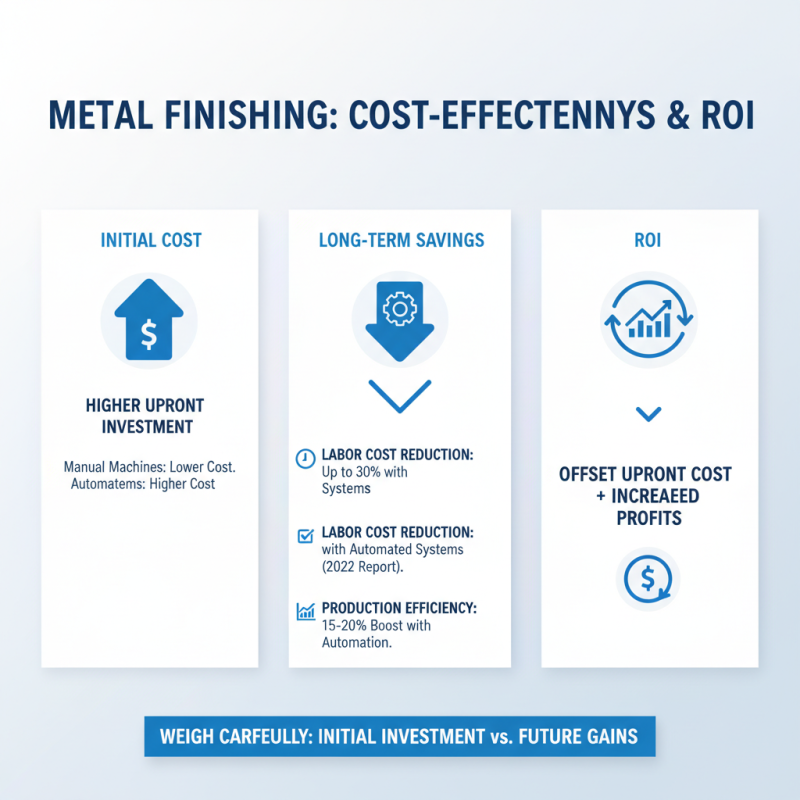
When analyzing the cost-effectiveness and ROI of various metal finishing machines, it’s crucial to assess initial costs versus long-term savings. A 2022 industry report indicated that automated systems can reduce labor costs by up to 30%. This significant reduction can offset the higher upfront investment. Businesses must weigh these numbers carefully. Automated finishes can yield a 15-20% boost in production efficiency.
Moreover, the choice of finishing technology impacts material waste and energy consumption. The same report noted that advanced machines using eco-friendly processes can lead to savings of up to 25% in operational costs. This efficiency not only improves ROI but aligns with sustainability goals. However, companies may face challenges when transitioning to these technologies. Training employees and adjusting workflows can be demanding. Investing in advanced machines requires careful planning and reflection on overall capabilities.
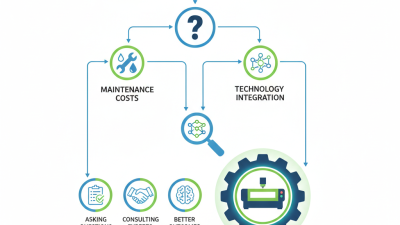
Understanding these considerations ensures better decision-making for metal finishing investments. Many firms overlook maintenance costs, which can swiftly cut into profits. Establishing regular maintenance schedules can mitigate unexpected expenses. Tools that offer smart monitoring can enhance reliability, creating a more predictable production line. Balancing costs and expected benefits is vital in this nuanced landscape.
Industry Standards and Certification: Ensuring Your Machine Meets Compliance
When selecting a metal finishing machine, industry standards and certifications play a crucial role. Compliance with regulations helps ensure the machine operates safely and efficiently. According to a 2022 report by the Metal Finishing Association, about 40% of manufacturers face compliance challenges that impact productivity. Choosing a certified machine can reduce these risks and enhance operational reliability.
It’s essential to look for machines that meet specific industry standards like ISO 9001 and ASTM. These certifications indicate that the manufacturer adheres to quality management principles that enhance product quality. Inadequate compliance can lead to costly fines and operational delays. A study showed that nearly 30% of companies experienced lost revenue due to non-compliance.
Focusing on certifications may reveal potential gaps in your current choice. A recent survey indicated that 25% of users reported dissatisfaction with their machine’s compliance features. Investing time to research and evaluate certification statuses can lead to better purchasing decisions. This diligent approach helps secure long-term effectiveness and aligns with best practices in the metal finishing sector.