10 Essential Tips for Choosing the Right Plasma Cut Machine?
Choosing the right plasma cut machine is crucial for your metalworking projects. With various models on the market, it can feel overwhelming. Each plasma cut machine offers different features, which are tailored to specific needs.
Finding a suitable machine starts with identifying your requirements. Will you be cutting thin sheets or thick plates? The thickness of materials directly affects your choice. Additionally, consider the power supply options—AC or DC. Each has its own advantages.
User feedback is essential. Read reviews and testimonials from other professionals. Their experiences can guide you toward reliable options. Look for brands known for quality and customer support. A good warranty also indicates manufacturer confidence in their products. This way, you ensure your investment in a plasma cut machine isn't just a gamble.
Understanding Plasma Cutting Technology and Its Applications
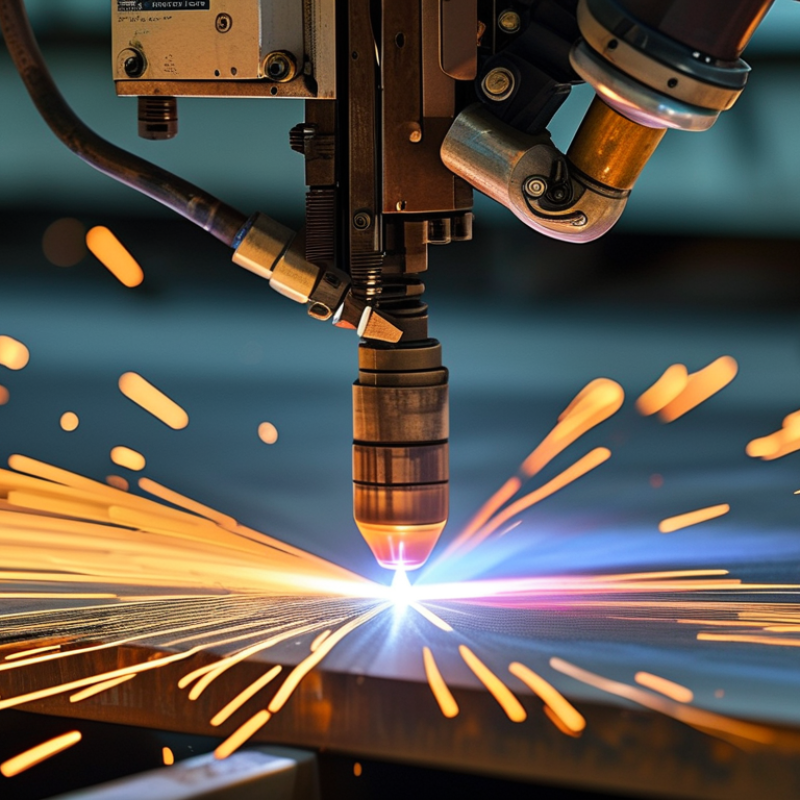
Plasma cutting technology has revolutionized metal fabrication. This process uses ionized gas to cut through electrically conductive materials. Steel, aluminum, and copper are commonly processed. Industry reports suggest that plasma cutters can achieve cutting speeds up to 20 times faster than traditional methods. This efficiency can significantly impact production timelines.
It's crucial to understand the applications of plasma cutting. Industries such as automotive, aerospace, and construction often rely on this technology for precision and speed. Reports indicate that around 70% of manufacturers prefer plasma cutting for its versatility. However, not every machine suits every application. It's vital to assess the thickness and type of material when selecting a plasma cutter. A mismatch could lead to compromised quality and wasted resources.
Choosing the right plasma cut machine also requires consideration of power supplies and automation options. Many systems offer various power outputs, typically ranging from 30 to 150 amps. Higher amperage allows for thicker materials but may increase costs. Reflect on your specific needs and budget before making a decision. Inadequate research might lead to purchasing a machine that doesn’t meet long-term requirements. Remember, the right choice can enhance productivity but can also burden your finances if chosen hastily.
10 Essential Tips for Choosing the Right Plasma Cut Machine
| Tip No. |
Tip Description |
Key Features |
Application Areas |
| 1 |
Determine Power Requirements |
Input Voltage, Amperage |
Metal Fabrication, Construction |
| 2 |
Consider Material Thickness |
Max Cut Thickness |
Automotive Repair, Artistic Metalwork |
| 3 |
Check Portability |
Weight, Handle Design |
Field Work, On-Site Jobs |
| 4 |
Evaluate Duty Cycle |
Percentage Rating |
Industrial Tasks, Heavy-Duty Cutting |
| 5 |
Assess Cutting Speed |
IPM or IPM Ratings |
Assembly Lines, Manufacturing |
| 6 |
Look for User-Friendliness |
Control Panel Design, Ease of Setup |
DIY Projects, Hobbyists |
| 7 |
Investigate Safety Features |
Overload Protection, Cooling System |
Workshops, Training Environments |
| 8 |
Review Maintenance Needs |
Maintenance Schedule, Parts Availability |
Repair Shops, Long-Term Use |
| 9 |
Check Compatibility with Accessories |
Torch and Consumables |
Various Metalworking Applications |
| 10 |
Set a Budget Range |
Cost of the Machine Vs. Features |
Every Operational Setting |
Key Features to Consider When Selecting a Plasma Cut Machine
When choosing a plasma cutting machine, consider several key features that directly impact performance. The cutting capacity is vital. Many industrial machines cut metal up to 1 inch thick, while portable units may handle thinner materials. The power supply also matters; machines typically range from 20 to 80 amps. Higher amp machines can cut thicker metals quicker.
Another crucial factor is the torch technology. Inverter technology offers better efficiency and portability, which is essential for on-site work. Additionally, examine the duty cycle. A machine with a 60% duty cycle can run continuously for six minutes and then needs to cool for four. This affects the machine’s efficiency in high-demand environments.
Lastly, user safety features should be prioritized. Some machines come with built-in safety functions, which are essential for preventing accidents. Always check for compliance with industry standards. A 2023 survey by the Fabricators & Manufacturers Association found that 40% of accidents stem from equipment misuse or malfunction. Choosing the right plasma cutting machine combines understanding specs with safety considerations.
Evaluating Power Requirements and Machine Capacity
When selecting a plasma cut machine, understanding power requirements is crucial. The machine's power output directly affects its cutting capacity. Higher amperage generally translates to thicker materials being cut efficiently. For example, a machine with 40 amps can typically cut metals up to ¾ inch thick. However, more power may lead to increased energy consumption and operational costs, thus requiring a balance.
Consider the duty cycle, too. This refers to the time a machine can operate before needing to cool down. A machine with a higher duty cycle can cut continuously, making it ideal for heavy industrial use. Some reports indicate that machines with a 60% duty cycle can perform effectively in commercial settings. Always evaluate how you plan to use the machine.
Tip: Do not overspend on features you may not need. Assess your typical cutting materials and job sizes. Collecting real-world data on your cutting needs can help to refine your choice. Another tip is to investigate the maximum cutting capacity and the type of gases the machine supports. Establishing these parameters ensures you select a machine that aligns with your operational needs without unnecessary costs.
Comparing Different Types of Plasma Cutters Available
When it comes to choosing the right plasma cutter, understanding the different types available is crucial. Plasma cutters fall into various categories, including portable units, automated systems, and CNC plasma cutters. Each type serves different purposes, depending on the user's needs.
Portable plasma cutters are great for small projects and job sites. They are lightweight and easy to move. However, they might lack the power for heavy-duty tasks.
Automated systems offer precision for large-scale operations. They ensure consistency but require a larger initial investment. CNC plasma cutters provide advanced capabilities for intricate designs. They are excellent for professionals but may have a steep learning curve.
Tip one: Assess your needs before purchasing. Know what materials you'll cut and their thickness. This affects the machine's power requirements.
Tip two: Consider the cutting speed and quality. Some machines cut faster but may leave rough edges. Lastly, think about the price versus the features you need. A cheaper model might save money but could lack essential functions. Reflecting on these factors can guide your decision-making process.
Assessing Budget and Long-Term Cost Considerations
Choosing the right plasma cut machine involves careful financial planning. When evaluating your budget, consider upfront costs along with long-term expenses. Machines vary widely in price. An inexpensive option may seem appealing, yet it could lead to higher operational costs. Over time, inefficiencies can escalate maintenance expenses.
Look into the machine's energy consumption. Some models are more efficient than others. Calculate how much electricity the machine will use over time. This helps you understand the total investment. Don’t forget about consumables. Nozzles and electrodes wear out and require replacement. These expenses add up, impacting your overall budget.
Research and reviews can guide your decisions. Numbers can be misleading. Examine user feedback for reliable insights. A seemingly affordable machine might yield poor performance. This can lead to frustration and more costs. Balancing initial price against future savings is vital in your selection process.