How to Find Superior Quality Machines for Global Sourcing?
In today's competitive market, sourcing superior quality machines is crucial for businesses aiming to enhance production efficiency. The global industrial machinery market is projected to reach $800 billion by 2025, highlighting the increasing demand for high-quality equipment. Companies need machines that not only meet performance standards but also improve long-term reliability and reduce operational costs.
However, finding these superior quality machines can be challenging. Various reports suggest that up to 30% of sourced machines fail to meet industry benchmarks in quality and performance. This reflects the importance of thorough evaluations during the sourcing process. Businesses must leverage data from trusted sources to identify vendors who consistently deliver high-quality machinery. Even established firms sometimes face setbacks when relying solely on cost-focused sourcing strategies.
It's essential to assess not just the price but also the quality and durability of machines throughout their lifecycle. Engage in deeper market research and establish clear criteria for evaluation. Building relationships with suppliers also adds value; it fosters transparency and aligns expectations on quality. By prioritizing superior quality machines, businesses can build a strong foundation for sustained growth and innovation.
Identifying the Key Indicators of Machine Quality
When sourcing machinery globally, quality indicators play a crucial role. The International Organization for Standardization (ISO) emphasizes that adherence to ISO standards can significantly enhance product reliability. Machines that meet these standards often exhibit durability and performance consistency.
Critical indicators of machine quality include material composition, construction methods, and precision engineering. For instance, a study by the Machinery Directive asserts that machines built with high-grade steel and advanced manufacturing techniques last longer and have fewer operational failures. Reports also indicate that a high percentage of machinery failures stem from substandard components.
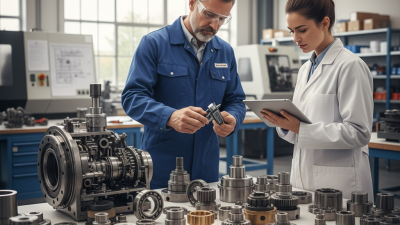
Mechanical inspections should be taken seriously. Regular checks can highlight wear and tear before they escalate. This proactive approach is essential, as misjudged maintenance can lead to costly downtimes. Industry experts suggest creating a checklist that evaluates the precision of machine parts, the quality of electronic components, and overall design efficiency. These steps may not guarantee perfection in quality but can serve as a guide for better sourcing decisions.
Understanding Global Sourcing Strategies for Machines
Global sourcing strategies for machines can significantly impact a business's efficiency and cost-effectiveness. Understanding the specific needs of your operation is crucial. Factors like production volume, technology requirements, and budget constraints must be clearly defined. Evaluating suppliers based on these criteria is essential. Seek out manufacturers with a proven track record and solid references. However, be cautious; reliance on past performance can sometimes lead to disappointment.
Research is vital in this process. Look into the supplier’s certifications, quality assurance processes, and equipment capabilities. Engaging in direct communication with potential partners can offer deeper insights. Ask the right questions about their production capacity and lead times. A visit to their facilities might reveal strengths or weaknesses that paperwork cannot show. This approach promotes transparency and builds trust, but it’s not always feasible for every business.
Be prepared for challenges in the global sourcing journey. Language barriers and cultural differences can complicate negotiations. Moreover, unexpected delays and quality issues may arise. Reflecting on these experiences is key to refining your sourcing strategy. Flexibility can enable you to adapt to these hurdles, fostering a stronger supply chain in the long run.
Machine Quality Evaluation for Global Sourcing
Assessing Supplier Credentials and Manufacturing Capabilities
When sourcing machines globally, assessing supplier credentials is crucial. Start by verifying their certifications. Reliable suppliers should hold relevant industry certifications. This ensures they adhere to international quality standards. Look for suppliers with ISO certifications. These indicate a commitment to quality management. Beyond certifications, evaluate their manufacturing capabilities. A factory visit can provide insights into their production processes.
Many suppliers may claim advanced technology. However, not all have the equipment to match. Investigate their machinery, workforce skills, and production capacity. Requesting samples can demonstrate their manufacturing quality. Don’t ignore past client testimonials; they often reveal potential issues. It’s essential to ensure that the supplier’s output aligns with your specific needs.
Trust your instincts during these evaluations. If something feels off, delve deeper. Communication plays a vital role here; clear and open dialogue can highlight concerns. Consider language barriers that might lead to misunderstandings. A supplier with a history of quality problems may not suddenly improve. Reflect on their history before making commitments.
Evaluating Machine Performance through Industry Standards
When evaluating machine performance through industry standards, start by identifying key metrics. Focus on reliability, efficiency, and output quality. Gathering data from multiple sources can enhance your evaluation. Seek third-party testing reports to gain impartial insights. Analyzing these reports helps uncover potential weaknesses in machine designs.
In addition to performance metrics, consider the lifecycle of the machines. Assess their maintenance requirements and ease of repair. Sometimes, high-performance machines may require specialized skills for upkeep. This could also indicate higher long-term costs.
Always remain skeptical and critical of claims made in marketing materials. Manufacturers often present data that highlights strengths but minimizes weaknesses. Visiting production sites can offer clearer insights. Engage with machine operators to understand real-world performance. This firsthand feedback is invaluable in building a comprehensive understanding.
Building Long-term Relationships with Quality Machine Suppliers
Establishing long-term relationships with quality machine suppliers is essential in global sourcing. According to a recent industry report, strong supplier partnerships can lead to a 15% reduction in production costs. This emphasizes the importance of selecting the right suppliers not just for their products but also for their reliability and communication.
Building these relationships requires consistent communication. Regular visits and open discussions about expectations can help foster trust. Sharing feedback on both successes and setbacks is crucial. This two-way communication creates a sense of collaboration. Suppliers who understand your needs can adjust their offerings accordingly.
Tips for effective supplier relationships include setting clear expectations and timelines. Establish key performance indicators (KPIs) to measure supplier performance, ensuring accountability on both sides. Regularly review these metrics to remain aligned with your goals. Acknowledging areas for improvement will nurture transparency. Engage suppliers in problem-solving and innovation discussions. Creating a shared vision can lead to mutual growth.