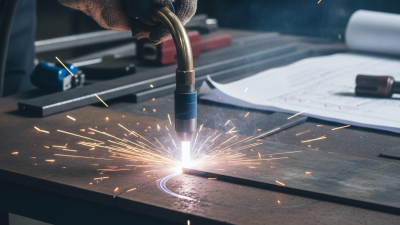
China has become a major source of industrial cutting equipment for construction, fabrication, packaging, and manufacturing. This guide examines China’s top machine cutting machine manufacturers through practical purchasing criteria, not advertising claims alone. It considers product design, production capacity, quality control, customization, and long-term service.
Experienced buyers usually inspect the factory before trusting a catalog. They review cutting samples, measure edge quality, and test performance under continuous operation. A reliable manufacturer should explain blade or tool selection, cutting speed, material limits, and maintenance requirements clearly. Factory audits, technical certificates, export records, and customer references can support that assessment. However, paperwork does not replace testing.
The guide also compares manufacturers by application, including metal sheets, pipes, stone, wood, and composite materials. Laser, plasma, waterjet, CNC, and mechanical systems each offer different advantages. A lower purchase price may hide installation delays, software limitations, or expensive replacement parts. Ask about training, warranty coverage, remote support, and spare-parts availability before signing an agreement.
Small details matter. A clean control cabinet suggests discipline, but it proves little alone. Operators should examine wiring, safety guards, calibration records, and finished samples. No guide is perfect. Some supplier claims still require independent verification. Buyers should also consider local safety standards, voltage requirements, shipping conditions, and future production changes. With careful comparison, this resource helps international purchasers identify capable Chinese manufacturers and choose equipment that performs reliably beyond the showroom.
What Is a Machine Cutting Machine?
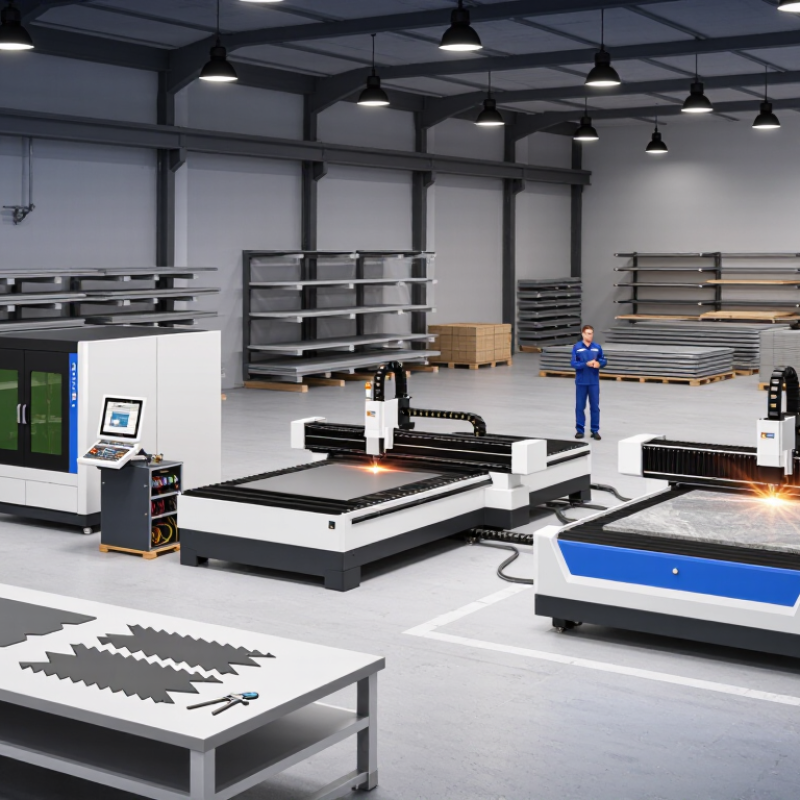
A machine cutting machine is industrial equipment that removes or separates material through a controlled cutting action. It may use a rotating tool, abrasive wheel, laser beam, plasma arc, or water jet. Many modern systems use computer numerical control (CNC) to guide movement, speed, depth, and cutting paths. The operator loads a digital drawing, secures the workpiece, and checks the first cut with measuring tools.
That sounds simple, but it is not. Material thickness, hardness, heat, vibration, and tool wear can change the result. A steel plate may need different settings from aluminum, even when both share the same shape. In daily production, technicians watch burrs, edge discoloration, and unusual noise. These small details often reveal poor alignment before expensive waste appears. The process still needs human judgment.
A 2024 Grand View Research report estimated the global machine tools market at about USD 86.9 billion in 2023, with continued growth expected through 2030. CNC cutting equipment contributes to this wider market by improving repeatability and reducing manual handling. The International Federation of Robotics reported 541,302 industrial robots installed worldwide in 2023, showing the broader shift toward automated manufacturing. However, automation does not remove risk. Proper guarding, emergency stops, ventilation, and operator training remain essential under recognized workplace-safety practices. Cutting accuracy is measurable; maintenance discipline is harder to measure, and often neglected.
A practical comparison of common machine cutting technologies, working principles, materials, capabilities, and selection factors.
A machine cutting machine is industrial equipment that removes, separates, or shapes material according to a manual, programmed, or computer-controlled path. The most suitable machine depends on material type, thickness, required edge quality, production volume, dimensional accuracy, and operating cost.
| Cutting Technology | Operating Principle | Typical Materials | Typical Thickness Range* | Typical Accuracy* | Main Advantages | Main Limitations | Common Applications |
|---|---|---|---|---|---|---|---|
| Fiber Laser Cutting | A focused laser beam melts or vaporizes material while an assist gas removes molten metal. | Carbon steel, stainless steel, aluminum, brass, copper, galvanized sheet | Approximately 0.5–30 mm, depending on power, material, and process settings | About ±0.05–±0.20 mm on suitable industrial systems | High speed on sheet metal, narrow kerf, low mechanical force, excellent automation potential | Higher investment cost; reflective metals and thick sections require careful parameter control | Sheet-metal fabrication, electrical cabinets, automotive parts, precision components |
| CO₂ Laser Cutting | A gas laser generates an infrared beam that cuts by thermal melting, burning, or vaporization. | Acrylic, wood, plywood, textiles, paper, plastics, rubber, and some metals | Approximately 0.1–25 mm, depending strongly on material | About ±0.10–±0.30 mm on properly maintained equipment | Good non-metal cutting performance and clean detail on many organic materials | Lower electrical efficiency than fiber lasers; unsuitable materials can produce hazardous fumes | Sign making, packaging, interior products, architectural models, non-metal fabrication |
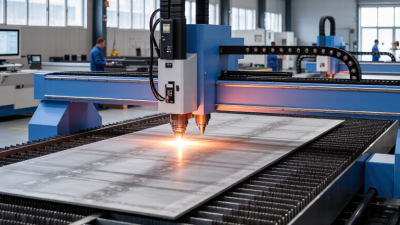
| Plasma Cutting | An electrically conductive gas jet becomes plasma and melts metal along the programmed path. | Mild steel, stainless steel, aluminum, copper alloys, other conductive metals | Approximately 1–80 mm; heavy-duty systems may cut thicker plate | About ±0.15–±0.50 mm, depending on system class and thickness | Fast and economical for medium-to-thick conductive metal plate | Wider kerf and larger heat-affected zone than laser; produces noise, fumes, and dross | Structural steel, machinery frames, construction parts, repair and maintenance work |
| Oxy-Fuel Cutting | A fuel-gas flame preheats steel, while oxygen oxidizes and removes the heated material. | Carbon steel and low-alloy steel; not suitable for most non-ferrous metals | Approximately 6–300 mm or more on heavy plate systems | About ±0.50–±1.50 mm, depending on equipment and plate condition | Low equipment cost and effective cutting of very thick carbon-steel plate | Slow heat input, large heat-affected zone, distortion risk, and limited material compatibility | Heavy fabrication, shipbuilding, bridges, pressure-vessel components, steel processing |
| Waterjet Cutting | A high-pressure water stream, often mixed with abrasive garnet, erodes material without significant heat. | Stone, glass, ceramics, composites, rubber, plastics, aluminum, steel, titanium | Approximately 1–200 mm; capacity varies by pump, nozzle, and material | About ±0.05–±0.20 mm on precision systems | Cold cutting, minimal thermal distortion, broad material compatibility, no heat-affected zone | Higher operating cost, slower cutting, water treatment requirements, and abrasive consumption | Aerospace parts, stone processing, composites, architectural panels, heat-sensitive materials |
| CNC Milling or Routing | A rotating tool removes material through programmed linear and multi-axis movements. | Aluminum, plastics, wood, foam, composites, brass, and selected steels | Commonly 0.5–100 mm per operation, depending on tool, rigidity, and workholding | About ±0.02–±0.10 mm on suitable CNC equipment | Can cut, drill, pocket, contour, and finish three-dimensional parts | Tool wear, cutting forces, chip management, and longer cycle times for complex shapes | Molds, prototypes, enclosures, furniture components, mechanical parts |
| Mechanical Shearing | A moving blade applies direct mechanical force to separate sheet metal along a straight line. | Carbon steel, stainless steel, aluminum, and other sheet metals | Typically thin to medium sheet, often up to approximately 6–20 mm | About ±0.10–±0.50 mm, depending on machine type and setup | Very fast straight cuts, low consumable cost, and no heat-affected zone | Limited to straight cuts; blade clearance affects burrs, squareness, and edge quality | Sheet preparation, blanking, ductwork, fabrication shops, and high-volume straight cutting |
| Die Cutting | A shaped die and cutting rule apply pressure to cut repeated profiles from sheet or web materials. | Paperboard, leather, foam, rubber, gaskets, textiles, films, and thin plastics | Usually thin materials, commonly below approximately 10 mm | About ±0.10–±0.50 mm, depending on die quality and material stability | Extremely productive for repeated shapes and large production runs | Tooling cost and lead time; each new profile may require a new die | Packaging, seals, labels, shoe components, insulation, and gasket production |
Important Data Notes
*Thickness and accuracy figures are typical industry ranges rather than guaranteed specifications. Actual performance depends on machine power, working area, drive system, tooling, material grade, surface condition, programming, maintenance, and operator skill. A manufacturer should be evaluated using application samples, repeatability tests, service capability, safety compliance, and total cost of ownership rather than headline cutting speed alone.
| Selection Dimension | What to Check | Why It Matters |
|---|---|---|
| Material Compatibility | Material type, grade, reflectivity, hardness, moisture, and heat sensitivity | Determines whether the process can cut the material safely and efficiently |
| Maximum Workpiece Size | Usable table length, width, height, and loading access | Ensures the machine can accommodate current and planned products |
| Required Thickness | Normal production thickness, maximum thickness, and edge-quality requirements | Avoids selecting equipment that is oversized, underpowered, or unsuitable |
| Accuracy and Repeatability | Positioning accuracy, repeatability, kerf compensation, and thermal stability | Affects dimensional consistency, assembly fit, and scrap rates |
| Production Volume | Batch size, operating hours, changeover frequency, and automation requirements | Helps balance cycle time, labor, tooling, and machine utilization |
| Operating Cost | Electricity, gas, water, abrasive, tooling, consumables, maintenance, and labor | Provides a realistic comparison of total cost per finished part |
| Safety and Environmental Controls | Guarding, fume extraction, fire protection, noise control, waste handling, and operator training | Reduces workplace risk and supports regulatory compliance |
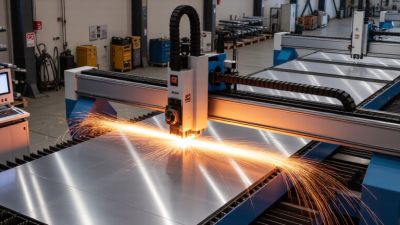
China’s machine cutting industry offers several practical solutions for different materials and production volumes. Laser cutting machines use a focused beam for steel, aluminum, and thin sheet metal. They produce narrow kerfs and detailed edges, especially in automated workshops. However, reflective metals can require careful power and focus settings.
Plasma cutting machines suit thicker carbon steel and usually cost less than laser systems. They work quickly, but their edges may show more heat distortion. Waterjet cutting machines use high-pressure water and abrasive media. They cut stone, glass, composites, and heat-sensitive alloys without creating a heat-affected zone. The process is precise, although operating costs and water treatment need attention.
CNC knife cutting machines handle textiles, leather, foam, rubber, and packaging board. They are useful when burning or melting the material would damage its surface. Saw-based machines remain valuable for pipes, profiles, and large solid sections.
A neat specification sheet is not enough. Buyers should request test cuts using their actual material and thickness. Check edge quality, cutting speed, software compatibility, and operator training.
A factory visit can reveal details that brochures often miss, such as dust control, cable protection, and table rigidity. Maintenance is also easy to underestimate. Calibration still matters.
A poorly aligned cutting head can waste expensive sheets and delay delivery. Comparing local service response, spare-part availability, and documented inspection records helps create a more reliable purchasing decision.
When evaluating Chinese cutting machine manufacturers, move beyond catalog photos and low quoted prices. A serious assessment starts with the factory’s production records, engineering team, and quality controls. Ask how operators verify blade alignment, motor temperature, and cutting tolerance during assembly. Request inspection reports, calibration dates, and machine serial records. Clear answers show process maturity. Vague promises deserve caution.
Test the machine with your actual material, thickness, and production speed. A clean sample on thin sheet proves little. Observe edge quality after continuous operation, not only the first cut. Measure repeatability with a calibrated gauge, and record noise, vibration, dust control, and power consumption. Ask whether software settings can be adjusted by trained staff. One overlooked detail can create expensive waste.
Reliable manufacturers explain lead times, spare-part availability, installation support, and warranty limits in writing. Check whether electrical components meet the destination market’s safety requirements, and verify applicable certificates independently. Speak with recent customers about response times after delivery. A factory visit can reveal practical details: labeled parts, orderly wiring, protected test areas, and technicians who answer technical questions directly. I would not ignore a weak point. No supplier is perfect, and my own evaluation can miss hidden maintenance costs. Recheck the decision after a pilot run.
China Top Machine Cutting Machine Manufacturers Guide
Leading China machine cutting machine manufacturers serve metalworking, fabrication, construction, and precision engineering companies worldwide. Their product ranges may include laser, plasma, waterjet, and mechanical cutting systems. A reliable manufacturer should explain cutting thickness, tolerance, speed, power consumption, and maintenance requirements clearly. Ask for evidence.
Factory experience matters. Review production photographs, testing procedures, technical drawings, and export records. A serious supplier can provide sample cuts using your material, such as stainless steel sheets, carbon steel plates, or aluminum profiles. Examine edge smoothness, heat distortion, burr formation, and repeatability. These details often reveal more than a polished catalog.
Quality control should cover frame welding, guide rails, motors, software, and safety systems. Request inspection reports and verify whether key components have traceable documentation. Communication also matters. Engineers who ask about workload, material grades, workshop temperature, and operator skills usually provide better recommendations. Do not select equipment from specifications alone.
No supplier is perfect. Some machines look impressive but lack convenient local service or clear spare-parts support. An overlooked issue is training time. Operators may need several weeks to master calibration and nesting software. Compare warranty terms, installation support, response times, and long-term operating costs. Visit an operating factory when possible. Watch the machine cut continuously, not only during a short demonstration. Measuring twice prevents expensive surprises.
China Top Machine Cutting Machine Manufacturers Guide
Choosing the right cutting machine supplier requires more than comparing online prices. In my experience, a reliable supplier begins with a clear understanding of your material, thickness, cutting speed, accuracy, and daily workload. Ask for technical drawings and a real sample test. A machine that cuts thin steel well may struggle with thicker sheets or heat-sensitive materials. Small details matter.
Visit the factory, physically or through a live video call. Check assembly areas, testing records, quality controls, and spare parts storage. Request evidence of relevant certifications and export experience. Speak with recent customers when possible. A trustworthy supplier explains limitations clearly instead of promising perfect results. I once focused too much on the machine price and overlooked installation support. That mistake increased downtime later. Specifications alone are not enough.
Tips: Compare total ownership costs, including tooling, energy, training, maintenance, and shipping. Confirm response times for technical support. Ask whether software updates and operator training are included. Review the warranty in writing. Test your own materials before signing. Also, clarify delivery schedules and acceptance standards. A careful supplier should welcome practical questions, even uncomfortable ones. If answers remain vague, pause. There may be a better option.