How to Learn Metal Fabrication Techniques for Beginners?
Metal fabrication is a vital skill in today’s manufacturing landscape. According to a report by IBISWorld, the metal fabrication industry in the U.S. has seen steady growth, reaching an annual revenue of over $100 billion. This industry supports various sectors, from automotive to construction, emphasizing the importance of mastering fabrication techniques.
For beginners, acquiring metal fabrication skills can seem daunting. There are numerous methods and tools to learn, each requiring practice and patience. The process involves not just understanding machinery, but also developing problem-solving abilities. Beginner fabricators often face challenges, such as mastering welding or understanding metal properties. Mistakes are part of the learning curve, the key is to reflect and improve.
Additionally, the skills acquired in metal fabrication can open doors to fulfilling career opportunities. The demand for skilled fabricators continues to rise, driven by technological advancements and a growing push for customized metal products. Engaging in hands-on practice and guided training sessions can enhance your understanding and improve your expertise in metal fabrication. The journey may be intricate, but with perseverance, it is undoubtedly rewarding.
Understanding Basic Metal Fabrication Concepts and Terminology
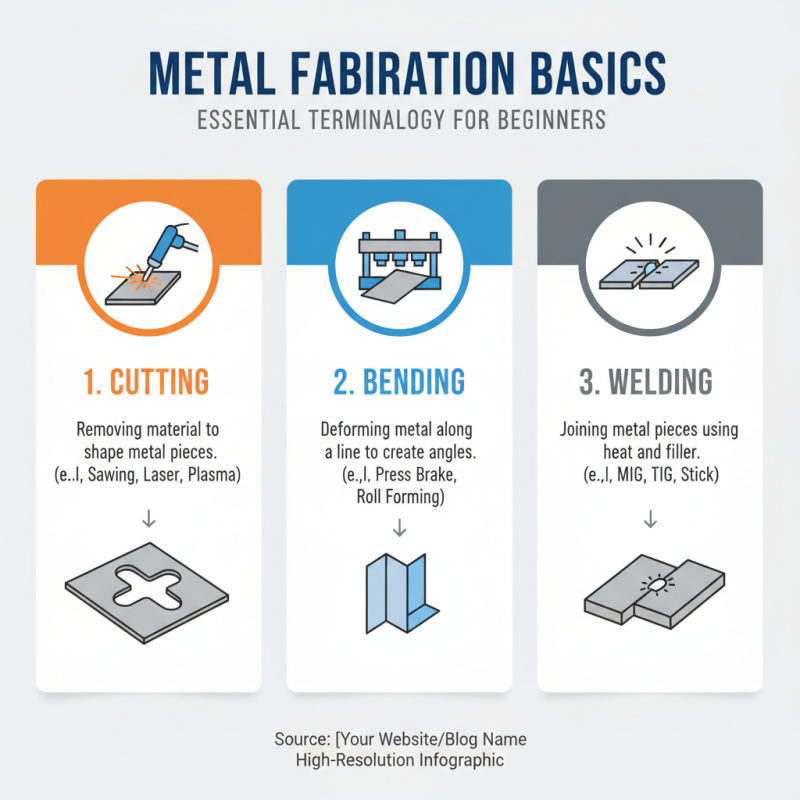
Metal fabrication involves various processes to create metal structures. Understanding the terminology is essential for beginners. Terms like "cutting," "bending," and "welding" often come up. Cutting refers to removing material to shape it. Bending is about deforming metal along a line. Welding joins pieces together using heat.
Getting familiar with tools is also important. Common tools include saws, drills, and hammers. Each tool has a specific purpose. Learning how to use them might feel overwhelming. It's not always easy to achieve the desired results. Mistakes will happen, and that's part of the learning curve. Reflection on errors can lead to growth in skills.
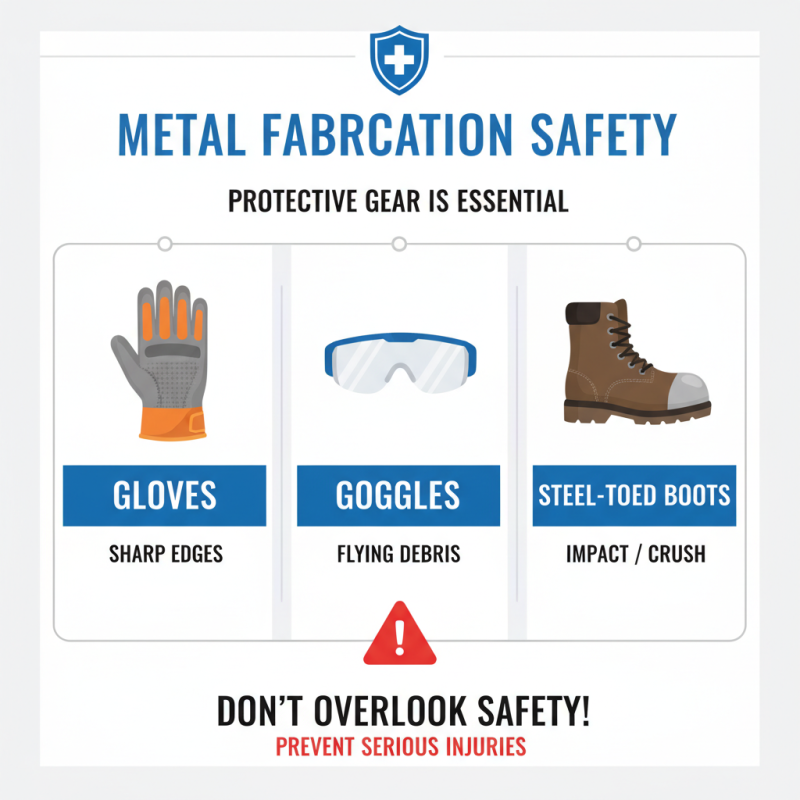
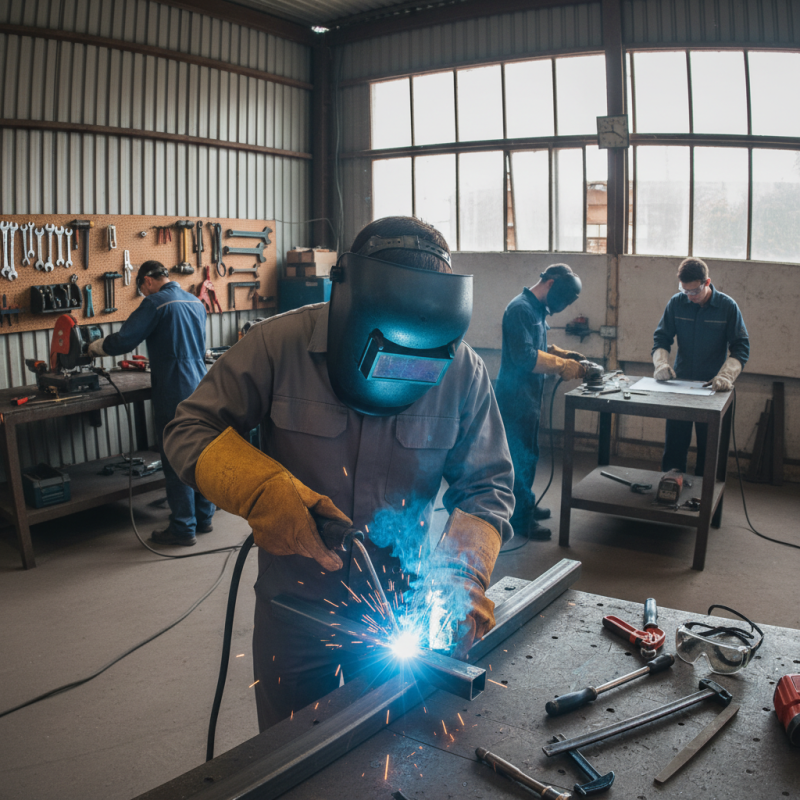
Safety is a priority in metal fabrication. Wearing protective gear is crucial. This includes gloves, goggles, and aprons. Beginners often forget safety protocols. This can lead to accidents and injuries. Taking time to understand and follow safety measures is vital. It enhances the learning experience and builds confidence. Remember, patience is key. Mastery doesn't come overnight.
Essential Tools and Equipment for Metal Fabrication Beginners
When starting with metal fabrication, having the right tools is key. Essential tools include a welding machine, metal cutters, and safety gear. These tools will help you create basic projects. A welding machine is vital for joining metals securely. Many beginners opt for MIG welders, as they are easier to use.
Safety gear is equally important. Always wear gloves, goggles, and a protective apron. This preparation minimizes the risk of injuries while working. Metal fabrication can be messy. You can expect sparks and sharp edges, so protect yourself. A well-ventilated workspace is also necessary, as fumes can be hazardous.
Getting comfortable with your tools takes time. It might take several attempts to get the results you want. Try different techniques to discover what works best for you. Don’t hesitate to seek advice from experienced fabricators. Joining a community can provide guidance and support. You’ll likely make mistakes, but learning from them is part of the journey.
Step-by-Step Guide to Basic Metal Fabrication Techniques
Learning metal fabrication techniques is a valuable skill for beginners. It can seem daunting at first. A step-by-step approach makes it manageable and enjoyable. Start by exploring basic techniques such as cutting, bending, and welding. These foundational skills are crucial and can be learned through online resources and workshops.
According to industry data, the metal fabrication market is growing. It is projected to reach over $150 billion by 2026. This growth highlights the demand for skilled fabricators. A strong understanding of basic techniques can lead to various career opportunities. However, it’s important to acknowledge the learning curve involved. Mistakes are common in the early stages. For example, improper welds or uneven cuts can occur frequently. Reflecting on errors helps improve skills over time.
Hands-on practice is essential. Set up a small workspace to work on projects. Basic tools for beginners include a metal saw, a MIG welder, and safety equipment. Don't skip safety protocols; they are vital in avoiding accidents. Experimenting with scrap metal can build confidence. Creating small items, like brackets or simple sculptures, can be a rewarding experience. Remember, the path to mastering metal fabrication takes time and patience.
Metal Fabrication Techniques for Beginners
Safety Protocols and Best Practices in Metal Fabrication
In metal fabrication, safety is paramount. Wearing appropriate protective gear is essential. This includes gloves, goggles, and steel-toed boots. These items protect against sharp edges and flying debris. It's easy to overlook these details, especially in a busy workshop. Yet, neglecting safety gear can lead to serious injuries.
Handling tools requires attention and a steady hand. Familiarize yourself with each tool’s operation before using it. For example, misusing a cutting tool can result in accidents. Learn to respect the machinery. Mixing fatigue with metalwork can be dangerous. Taking breaks helps maintain focus.
Regularly check your workspace. A cluttered environment can lead to mistakes. Clear pathways and ensure tools are stored correctly. This creates a safer area. Remember that every small habit contributes to overall safety. Over time, reflections on past mistakes will help in developing better practices.
Resources for Learning and Improving Metal Fabrication Skills
Metal fabrication is an art that requires patience and practice. For beginners, numerous resources can help improve your skills. Look for local community colleges that offer courses. Many provide hands-on experience, crucial for learning metalworking techniques. Online platforms also host a variety of tutorials and videos. They cover everything from basic welding to advanced metal shaping.
Tips: Start with simple projects. Small tasks can build confidence. Use scrap metal; it’s affordable and plentiful. Mistakes are part of the learning process. Don’t fear them. Each error teaches valuable lessons. Document your progress. A journal can highlight what works and what doesn’t.
Books can also be a great asset. Look for comprehensive guides on metal fabrication. They offer insights on tools, techniques, and safety measures. Subscribing to online forums allows you to connect with experienced fabricators. Sharing ideas and challenges can promote growth. You’ll find that the metalworking community is often supportive and eager to help novices. Keep practicing, and remember, improvement comes with dedication and time.