Metal fabrication machinery, tooling, parts & service in NY, PA, NJ, DE, MD and WV
How to Operate a Machine Safely and Effectively?
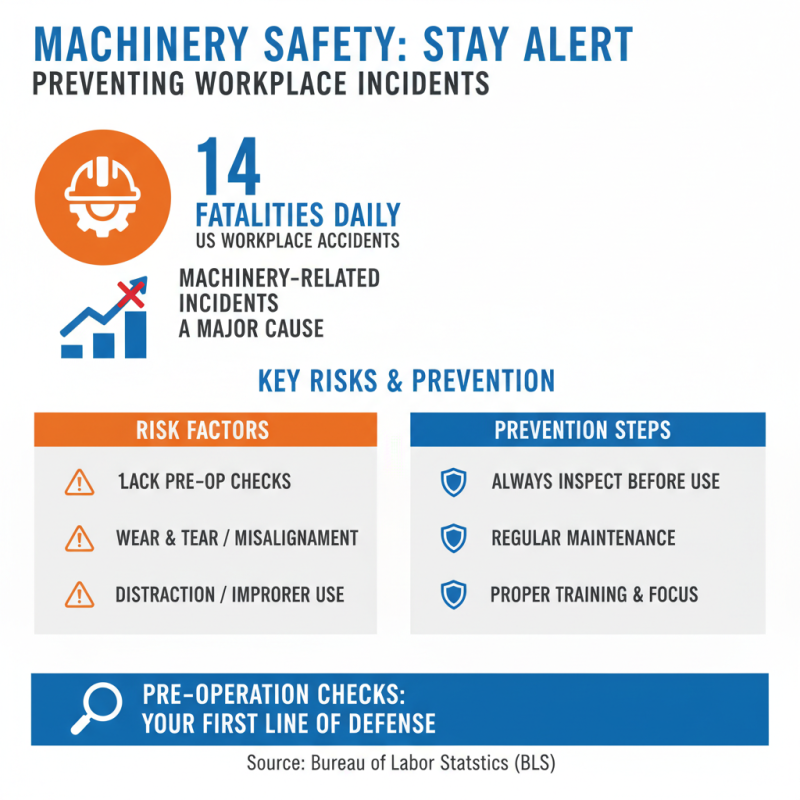
Operating machines safely and effectively is critical in various industries. According to the Occupational Safety and Health Administration, improper handling accounts for 24% of workplace injuries. Many operators have insufficient training, leading to accidents. Operators must understand the complexity of each machine they handle.
A well-trained operator machine can reduce risks significantly. Proper maintenance and understanding of safety protocols are essential. For instance, a report by the National Institute for Occupational Safety and Health finds that nearly 40% of industrial injuries occur due to machine malfunctions. Regular inspections can address these issues.
However, not all operators follow these guidelines. Some might overlook safety checks, thinking they are unnecessary. This negligence can have dire consequences. Reflecting on past incidents shows how crucial it is for operators to remain vigilant. Prioritizing safety not only protects the operator but also ensures a safer working environment for everyone.

Understanding the Basics of Machine Operation
Understanding the basics of machine operation is crucial for safety and efficiency. Many industries rely on machines to streamline processes. According to a report by the National Safety Council, improper machine operation accounts for 15% of workplace injuries each year. Effectively understanding how to operate machines reduces the risk of accidents and boosts productivity.
Training is essential. Operators must be familiar with the machine's controls and functions. A lack of knowledge can lead to mistakes. For instance, incorrect speed settings can damage machinery and affect output quality. Regular maintenance checks are another foundational aspect. The Bureau of Labor Statistics indicates that nearly 30% of machine malfunctions occur due to insufficient upkeep.
Inconsistent practices can lead to confusion among workers. Clear standard operating procedures (SOPs) should be established. However, it’s common for practices to deviate over time. This can create hazards that may go unnoticed. Operators should be encouraged to report discrepancies. Such communication improves safety and operational standards. Developing a culture of vigilance is vital. Managers must commit to ongoing training and observation.
How to Operate a Machine Safely and Effectively? - Understanding the Basics of Machine Operation
| Operation Aspect | Description | Safety Tips | Maintenance Schedule |
|---|---|---|---|
| Pre-Operation Check | Inspect the machine for any visible issues before operating. | Ensure all safety guards are in place. | Daily before use. |
| Proper Training | All operators should be trained on how to use the machine safely. | Complete training sessions and refreshers regularly. | As needed based on operator experience. |
| Use of Personal Protective Equipment (PPE) | Wear appropriate PPE like gloves, goggles, and helmets. | Always wear PPE while operating the machine. | Check PPE before each use. |
| Safe Operating Procedures | Follow the manufacturer’s operating instructions carefully. | Avoid distractions while operating. | Monthly review of operating procedures. |
| Post-Operation Cleanup | Clean the machine and surrounding area after use. | Turn off and lock the machine before cleaning. | After every use. |
Related Posts
-
2026 How to Choose the Right Metal and Machine for Your Project?
-

10 Best Metal Fabrication Techniques You Should Know?
-

How to Choose the Best Neatening Machine for Your Home or Office
-
2026 How to Choose the Right Brakes Machine for Your Needs?
-
Top 5 Best Shape Cutting Machines for Precision Cutting in 2023
-
How to Choose the Best Arc Cutting Machine for Your Needs?