Top Steel Pipe Manufacturing Machines for Global Buyers 2026?
The demand for high-quality steel pipe manufacturing machines is on the rise as industries expand worldwide. These machines play a crucial role in producing reliable steel pipes used in construction, automotive, and oil sectors. As global buyers seek efficiency and innovation, understanding the top options available becomes essential.
Investing in advanced steel pipe manufacturing machines can greatly improve production efficiency. Features like automation and precision control enhance product quality. Buyers must evaluate their needs carefully, considering factors like cost, output capacity, and maintenance requirements.
However, not every machine on the market meets the high standards required by today’s industries. Some may promise cutting-edge technology yet fail in performance. Awareness of these pitfalls is vital for making informed decisions. Each buyer's situation is unique, emphasizing the need for personalized research and analysis. What works for one may not work for another. This landscape is complex, and caution is necessary when selecting a machine.
Overview of Steel Pipe Manufacturing Machines in 2026
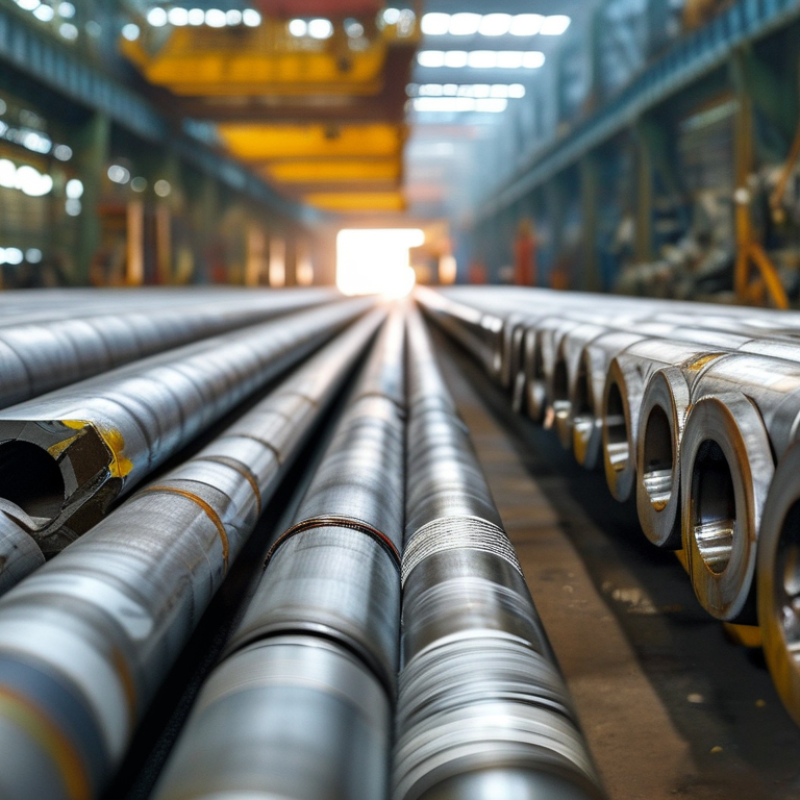
The steel pipe manufacturing sector is evolving rapidly. In 2026, machines will be more advanced, emphasizing efficiency and precision. Key trends indicate a shift towards automation. This change aims to reduce labor costs and enhance production rates.
Innovative technologies will play a crucial role. For instance, machines equipped with advanced sensors will monitor the process in real time. This feature ensures that production meets quality standards consistently. Companies will need to adapt to these technological changes. However, some may find the transition challenging due to training needs.
Sustainability will also influence machine design in 2026. Manufacturers will seek energy-efficient solutions and minimize waste. The industry is responding to environmental concerns. While progress is significant, there may be hurdles in implementation. Balancing production demands with sustainable practices requires continuous reflection and adjustment.
Key Factors Influencing Steel Pipe Manufacturing Technology
The steel pipe manufacturing industry is evolving rapidly. Several factors influence the technology used in production. Understanding these elements is crucial for buyers in 2026.
One key factor is the demand for precision. Modern machines now require advanced technology to deliver accurate dimensions. This impacts the choice of equipment, influencing costs and efficiency. Buyers must assess their needs based on application. For example, high-pressure pipelines require robust machines for optimal performance.
Another factor is environmental sustainability. Manufacturers are under pressure to minimize their carbon footprint. Innovations in energy-efficient machinery are becoming vital. These advancements can reduce operational costs while meeting regulatory standards. However, the shift towards greener technologies can lead to higher initial investments. Buyers need to weigh these changes carefully.
Top Manufacturers and Their Offerings in the Global Market
In the competitive landscape of steel pipe manufacturing, several key players have emerged. These manufacturers are known for their innovative methodologies and robust machinery. They are adapting to the changing demands of global buyers in 2026.
A variety of machines are essential for the production process. Equipment ranges from pipe forming machines to welding systems. Each type of machine serves a unique purpose, contributing to overall efficiency. Advanced technology is frequently incorporated to enhance performance. However, not every machine can meet all production needs effectively. It's essential for buyers to evaluate their specific requirements thoroughly.
Furthermore, suppliers often face challenges in keeping pace with industry standards. Some machines may lack versatility or require frequent maintenance. This can lead to unexpected downtimes, affecting productivity. Buyers should consider not only the machinery but also the service and support provided by manufacturers. Understanding these nuances can lead to better investment decisions in the steel pipe sector.
Top Steel Pipe Manufacturing Machines for Global Buyers 2026
| Machine Type | Production Capacity (tons/day) | Key Features | Market Regions |
| Continuous Weld Pipe Machine | 150 | High-speed operation, energy efficient | North America, Europe |
| Seamless Pipe Mill | 100 | Advanced metallurgy process, low waste | Asia Pacific, Middle East |
| Automated Pipe Finishing Line | 120 | Robust design, precision finishing | Global |
| Spiral Weld Pipe Machine | 80 | Versatile for large diameter pipes | South America, Africa |
| Pipe Bending Machine | 60 | Highly automated, user-friendly | Europe, North America |
Emerging Trends in Steel Pipe Production Equipment
The steel pipe manufacturing industry is evolving rapidly. As global demand grows, so does the need for advanced production equipment. Emerging trends are pivotal in shaping this sector. Automation and AI integration are becoming standard. These innovations enhance efficiency and reduce human error in production lines.
Another noticeable trend is sustainability. Manufacturers are increasingly adopting eco-friendly practices. Recyclable materials and energy-efficient machines are gaining traction. The focus is shifting toward minimizing waste and emissions. This reflects a broader societal demand for environmentally responsible production.
Yet, challenges remain in adopting these new technologies. The initial investment can be high. Many companies may struggle to navigate this transition. Training personnel to effectively use advanced machinery is also complex. Continuous monitoring and maintenance of such equipment are essential for optimal performance. These are critical considerations for any company looking to compete in this market.
Future Innovations and Sustainability in Steel Pipe Manufacturing
The steel pipe manufacturing industry is on the brink of transformation. Innovations are continuously emerging, driving improvements in efficiency and sustainability. Advanced technologies like automation and AI are aiding manufacturers in optimizing processes. Automation reduces waste and enhances production speed. These developments are essential to meet the rising global demand.
Sustainability is becoming increasingly critical. Manufacturers are exploring eco-friendly materials and energy-efficient processes. Recycling steel is one approach, minimizing raw material extraction. Another focus area is reducing emissions in production processes. However, challenges remain. Balancing cost and sustainability can be difficult. Investors must weigh innovative practices against financial implications.
The future looks promising, yet not without hurdles. The industry must adapt to new regulations and consumer expectations. Continuous advancement in technology will help overcome these obstacles. Collaboration among stakeholders will be key. By working together, the steel pipe manufacturing sector can embrace a sustainable future.