The global press brake machine market is becoming more demanding, not merely larger. Fortune Business Insights and Grand View Research identify automation, electric-hydraulic systems, and smart manufacturing as major growth drivers. Their reports also highlight rising demand from automotive, aerospace, construction, and general metal fabrication. These sectors need accurate bends, shorter setup times, and lower material waste.
The numbers look encouraging. They are not the whole story.
A machine may promise high tonnage, but daily performance depends on frame stability, control software, tooling accuracy, service response, and operator training. Tim Heston, a longtime metal-fabrication journalist at The Fabricator, has offered a practical reminder: “A press brake is not just a bending machine; it is a production system.” That sentence deserves attention. It shifts the buying decision from brochure specifications to measurable results on the shop floor.
This guide examines the top 10 press brake machine manufacturers through that wider lens. It considers bending force, working length, repeatability, energy efficiency, safety functions, software integration, and global support. It also considers less visible costs, including installation, maintenance, tooling, and training.
No ranking is perfect.
Manufacturers serve different priorities. A high-volume automotive supplier may value robotic automation, while a small fabricator may prefer simpler controls and accessible service. Data from industry reports provides useful direction, but real experience remains essential. A machine that performs beautifully in a demonstration may behave differently beside a noisy production line. The strongest manufacturers are those that connect engineering claims with consistent, verifiable results.
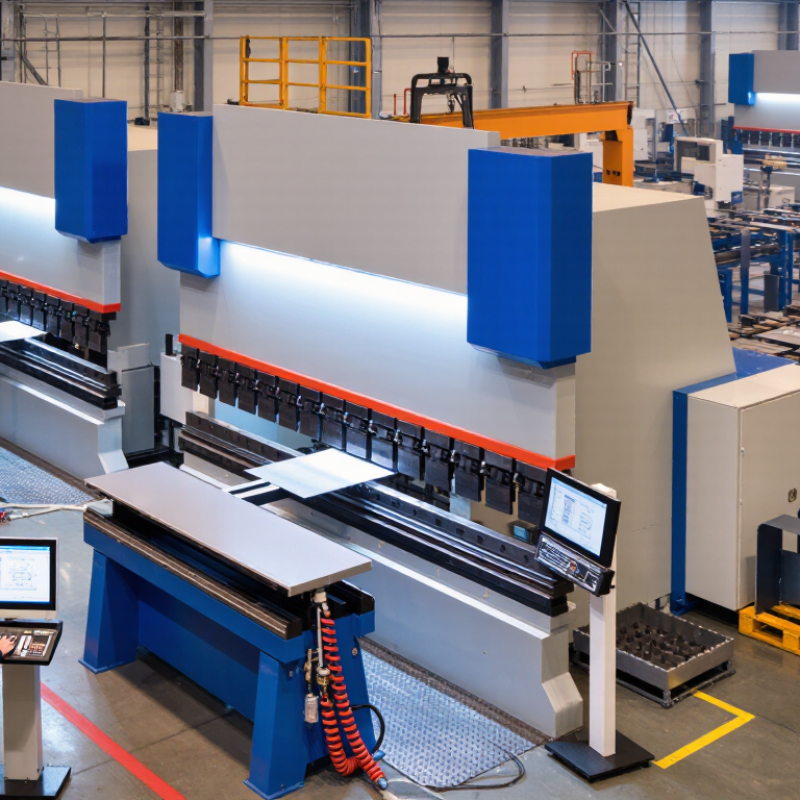
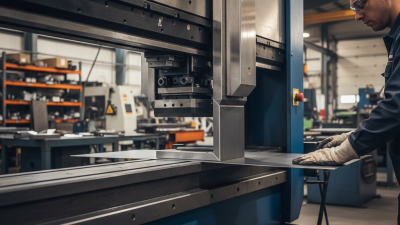
Press brake machines shape sheet metal by applying controlled force along a bending line. Common types include mechanical, hydraulic, pneumatic, and servo-electric models. Hydraulic machines suit heavy plate and demanding production cycles. Servo-electric machines often reduce energy use and improve positioning speed. Grand View Research estimated the global metal forming machine tools market at about USD 17 billion in 2023, with continued growth expected through 2030. The estimate includes several machine categories, so it should not represent press brakes alone. Scope matters.
Machine function depends on tonnage, bending length, tooling, back-gauge accuracy, and control software. A 100-ton machine may handle steel cabinets comfortably but struggle with thick structural plate. CNC systems can repeat complex bends, while automatic angle correction reduces rejected parts. Yet calibration, tooling wear, and operator setup still affect results. No machine is perfect.
Industrial applications include automotive brackets, HVAC ducts, electrical enclosures, construction components, and aerospace assemblies. The International Federation of Robotics reported 541,302 industrial robots installed worldwide in 2023. That figure supports the growth of automated press brake cells, especially where bending connects with loading and inspection. When comparing leading manufacturers, buyers should examine verified accuracy, service response, safety functions, and lifecycle cost. A polished specification sheet can still mislead. Shop-floor trials remain essential.
A credible top-ten list should begin with evidence, not popularity. I evaluate press brake manufacturers through machine accuracy, frame stability, service response, and long-term operating cost. The World Steel Association reported approximately 1.89 billion tonnes of crude steel production in 2023. That scale matters because heavy industrial use exposes weak structures quickly. Ask for verified repeatability data, not only brochure tolerances. Check performance across different sheet thicknesses, bend lengths, and production temperatures.
Safety and integration deserve equal attention. ISO 12100 and ISO 13849-1 provide useful references for risk reduction and control-system reliability. A serious manufacturer should explain guarding, light curtains, emergency systems, and software validation clearly. The International Federation of Robotics recorded more than 541,000 industrial robot installations worldwide in 2023. Therefore, robot compatibility, communication protocols, and automated tool changing can separate a modern supplier from an ordinary one. Test the interface before purchase.
Total cost is often misunderstood. Compare energy consumption, hydraulic or electric maintenance, calibration frequency, spare-part availability, and technician training. Request customer references from factories with similar materials and daily workloads. Factory visits reveal more than polished videos. Still, scoring tables can mislead; a low purchase price may hide slow support or difficult programming. I would also examine five-year service records, warranty exclusions, and response times in writing. Numbers help, but practical evidence decides.
| Rank | Evaluation Dimension | Suggested Weight | Measurable Information to Verify | Why It Matters |
|---|---|---|---|---|
| 1 | Machine Accuracy and Repeatability | 18% | Published positioning and repeatability specifications, test methods, calibration records, and sample bend-tolerance results under defined material and tooling conditions. | Accuracy directly affects part consistency, scrap rates, rework, and the ability to produce tight-tolerance components. |
| 2 | Frame Rigidity and Structural Design | 14% | Welded-frame design information, stress-relief or stabilization process, finite-element analysis where available, deflection data, and long-term alignment provisions. | A rigid frame helps maintain bending accuracy, especially when the machine operates at high tonnage or across wide working lengths. |
| 3 | Pressing Force and Working Length Range | 12% | Verified nominal tonnage, maximum bend length, throat depth, stroke, daylight, opening height, and recommended material-thickness range. | Capacity must match the intended work envelope. Excess capacity raises acquisition and operating costs, while insufficient capacity limits production. |
| 4 | CNC Control and Programming Capability | 11% | Number of controlled axes, 2D or 3D offline programming, automatic bend-sequence calculation, tooling libraries, simulation functions, and file-import compatibility. | Advanced controls reduce setup time, support complex parts, and help operators achieve repeatable results with fewer manual calculations. |
| 5 | Hydraulic, Electric, or Hybrid Drive Efficiency | 10% | Drive architecture, standby-power behavior, motor and pump specifications, energy-monitoring data, noise levels, and maintenance requirements. | Drive efficiency influences electricity consumption, heat generation, operating noise, maintenance frequency, and total ownership cost. |
| 6 | Safety Compliance and Risk Controls | 10% | Applicable conformity documentation, guarding design, emergency-stop systems, light curtains or laser-based protection, safety relays, and risk-assessment records. | A credible safety system protects operators and supports compliance with the regulations applicable in the machine’s installation country. |
| 7 | Tooling Compatibility and Changeover | 8% | Supported punch-and-die standards, clamping options, segmented tooling, automatic or hydraulic clamping, crowning compatibility, and changeover procedures. | Compatible and quick-change tooling improves flexibility, reduces setup labor, and makes the press brake suitable for both batch and varied production. |
| 8 | After-Sales Service and Spare-Parts Support | 7% | Local service coverage, response-time commitments, technician availability, spare-parts inventory, remote diagnostics, training, and warranty terms. | Service quality affects uptime and recovery time when calibration, controls, hydraulics, or safety components require attention. |
| 9 | Build Quality and Quality Management | 5% | Quality-control checkpoints, traceability of critical components, inspection records, factory acceptance testing, and a current ISO 9001 certificate where applicable. | Documented production controls reduce variation between machines and provide a more reliable basis for evaluating manufacturing consistency. |
| 10 | Total Cost of Ownership | 5% | Purchase price, installation requirements, tooling cost, energy consumption, planned maintenance, software fees, training, warranty coverage, and expected resale value. | The lowest purchase price does not always provide the lowest lifetime cost; service, energy, downtime, and productivity should be included in the comparison. |
A practical top-ten list of press brake manufacturers should focus on strengths, not publicity. One leading European builder is known for rigid frames and precise hydraulic systems. Another specializes in electric press brakes with lower energy use. A third stands out for advanced CNC controls and fast setup routines. One established manufacturer serves aerospace plants with tight repeatability. Another focuses on heavy-duty machines for thick plate and structural work. A value-oriented producer offers simple controls and competitive ownership costs. One specialist builds compact machines for small fabrication shops. Another combines robotic loading with automatic tool changes. A global supplier is recognized for training and regional service support. The tenth earns attention through custom engineering for unusual bending applications.
Performance depends on the workpiece. It is not that simple. A machine with excellent tonnage may still struggle with poor tooling choices or slow programming. Buyers should compare bend accuracy, frame deflection, backgauge travel, control software, and service response times. Hands-on trials are valuable, especially with stainless steel or narrow flanges. Ask for sample parts, setup data, and realistic cycle times. Published specifications can look impressive while hiding operator involvement. That deserves scrutiny. Strong manufacturers provide clear documentation, accessible diagnostics, and practical training. They also explain maintenance needs before delivery. The best choice balances precision, productivity, safety, software usability, and long-term support rather than chasing the highest advertised capacity.
This benchmark summarizes the capabilities commonly associated with leading press brake machine manufacturers. The index focuses on practical purchasing criteria such as precision, automation, forming capacity, control software, safety, customization, and service coverage rather than displaying company-specific performance or brand data.
Evaluating the top ten press brake machine manufacturers requires more than comparing tonnage and selling prices. Their technologies differ in hydraulic, hybrid, and fully electric systems. Electric models often deliver faster cycling and lower energy use. Hydraulic designs remain attractive for heavy plate and demanding production schedules. Hybrid machines can balance power, speed, and operating costs. The right choice depends on material thickness, bend length, tolerances, and daily workload.
Control technology also separates capable manufacturers from average suppliers. A practical CNC system should support angle correction, offline programming, and automatic tool selection. Laser or camera-based measurement can reduce setup errors on complex parts. Frame stiffness matters too. A machine may show impressive specifications, yet produce inconsistent angles when its structure flexes under pressure. This is where factory testing, operator feedback, and documented accuracy become valuable. Specifications alone are not enough.
Service support deserves equal attention. Reliable manufacturers provide installation training, spare parts access, remote diagnostics, and clear maintenance schedules. Ask how quickly technicians respond when production stops. Ask whether software updates remain available after purchase. A polished demonstration can hide weak after-sales support. I have seen buyers focus heavily on initial cost and underestimate tooling, calibration, and training expenses. That judgment can be costly. Service quality is difficult to measure before a breakdown, which makes references, warranty terms, and local support evidence especially important.
Choosing among the top 10 press brake machine manufacturers requires more than comparing quoted prices. Your decision should begin with the workpiece, not the sales brochure.
Record material type, thickness, bend length, angle tolerance, and daily production volume. A 160-ton machine may handle your sample but struggle during an eight-hour shift. That difference matters. Ask each manufacturer for a bending test using your actual material and drawings. Review the test parts with calipers, not just photographs.
Examine machine rigidity, ram repeatability, hydraulic or electric drive design, controller usability, and tooling compatibility. Request measurable data, such as angle accuracy and positioning tolerance. Clarify how these figures were tested. A persuasive number without test conditions is weak evidence. Inspect safety functions, guarding, emergency stops, and documented compliance for your operating region. Training should include setup, tool changes, programming, and fault recovery. Ask who answers when production stops.
Service quality often separates a reliable supplier from an expensive interruption. Check response times, spare-parts availability, remote support, and technician coverage near your facility. Speak with several current users, preferably shops making similar bends. Request ownership costs for ten years, including tooling, maintenance, energy, software, and downtime. The cheapest quotation can age badly. I would also challenge my own assumptions. An automated feature may look impressive, yet a simpler control can suit a small team better. Doubt is useful.