
China has become a major sourcing destination for concrete mixing equipment, including twin shaft systems. However, choosing a reliable manufacturer requires more than comparing catalogue prices. A capable supplier should demonstrate engineering experience, stable production, and clear quality controls. Factory visits, production records, and customer references can reveal details that brochures often hide.
This guide examines China’s top twin shaft concrete mixer manufacturers through practical purchasing criteria. These include mixing performance, shaft design, wear protection, discharge speed, motor configuration, and maintenance access. Buyers should also inspect the mixer’s performance with real materials, such as dry aggregates, cement-rich concrete, or low-slump mixtures. The keyword “Twin Shaft Mixer Concrete” may appear frequently online, but technical specifications still need careful verification.
Small details matter. Check paddle thickness, bearing protection, gearbox brands, and welding quality. Ask for batch testing data, installation guidance, spare-parts support, and response times. A trustworthy manufacturer should explain limitations instead of promising everything. No shortlist is perfect. Some suppliers may offer strong equipment but weak international service. Others may communicate well yet lack proven experience with demanding projects. That difference deserves attention. By comparing evidence rather than advertising language, contractors can identify manufacturers that provide dependable mixing performance, transparent documentation, and practical long-term support.
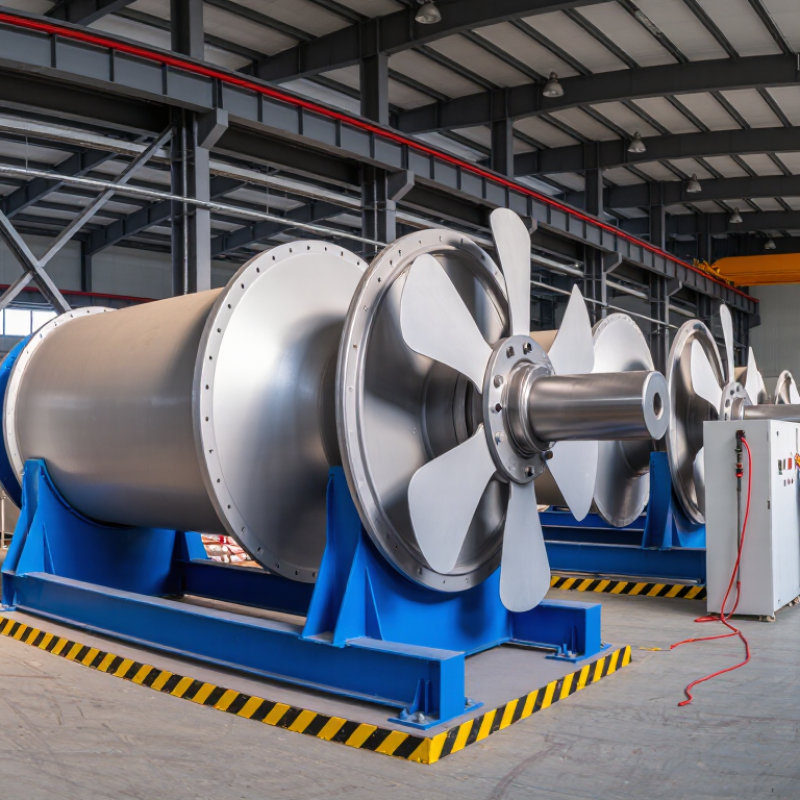
A twin shaft concrete mixer is an industrial machine designed to blend cement, aggregates, water, and additives evenly. It uses two parallel horizontal shafts inside a reinforced mixing chamber. Each shaft carries mixing paddles that rotate in opposite directions. Their overlapping movement creates strong turbulence and pushes materials through several mixing zones.
This action helps coat aggregate surfaces with cement paste. It also reduces dead spots inside the chamber. Typical mixing cycles may last 30 to 60 seconds, depending on the recipe, moisture level, and loading volume. It is not magic. Poor feeding order or excessive water can still produce uneven concrete. Operators should check slump, discharge consistency, and batch timing during daily production.
In practical use, wear-resistant paddles and replaceable liners deserve close attention. Fine sand can gradually damage these parts, while large stones may increase impact loads. Reliable manufacturers should provide shaft alignment records, weld inspection details, test reports, and clear maintenance instructions. A suitable machine also needs a stable frame, effective sealing, safe access points, and a discharge gate that opens without blockage. Real sites are less tidy than catalogs suggest. Dust, vibration, and rushed loading often expose design weaknesses. Buyers comparing China-based manufacturers should inspect factory testing, spare-part availability, technical support, and documented production experience. A lower purchase price may become expensive when downtime starts.
A twin shaft mixer uses two horizontal shafts fitted with overlapping paddles. The shafts rotate in opposite directions, lifting, folding, and pressing concrete through the mixing zone. This action spreads cement paste around coarse aggregate more evenly than simple drum rotation. In a well-adjusted machine, dry pockets become easier to detect before discharge. Mixing often takes 30 to 60 seconds, although moisture, recipe, and loading volume change the result.
The Global Cement and Concrete Association reports that the world uses roughly 14 billion cubic metres of concrete each year. That scale explains the demand for fast, repeatable mixing. Twin shaft units are common in ready-mix plants, precast yards, road construction, dam projects, and soil-stabilization work. They can handle stiff concrete, low-slump mixes, and mixtures containing fibers or recycled aggregates. ACI 304R also stresses controlled batching, mixing, and discharge practices for consistent concrete quality.
Their strength is not magic.
Operators still need to inspect paddle wear, shaft seals, and discharge gates daily. The IEA identifies cement production as responsible for about 7% of global CO2 emissions, so wasted batches carry both financial and environmental costs. A practical purchasing review should compare usable volume, cycle time, cleaning access, and maintenance records. Some specifications look impressive on paper, but field conditions may expose weaknesses. That part deserves honest testing.
China Top Twin Shaft Concrete Mixer Manufacturers?
Selecting a reliable Chinese twin shaft concrete mixer manufacturer requires more than comparing prices. Examine factory experience, production capacity, and technical documentation. Ask how long the company has built twin shaft mixers. Request inspection records, material certificates, and performance test results. A serious manufacturer should explain shaft alignment, paddle design, gearbox protection, and mixing cycle times clearly. Vague answers deserve caution.
Visit the factory when possible. Observe welding quality, machining accuracy, spare-parts storage, and final assembly. Check whether mixers are tested under realistic loads, not only empty conditions. Ask for references from projects using similar aggregates and batch sizes. Independent inspections can confirm dimensions, electrical safety, and output claims. After-sales support also matters. Confirm response times, installation guidance, warranty coverage, and spare-parts availability. A low quotation may hide expensive downtime.
Tips: Compare at least three manufacturers. Use the same technical specification for each quotation. Request videos showing a loaded mixer in operation. Check gearbox and bearing suppliers, even if names are not advertised. Clarify local voltage, control-panel language, delivery terms, and maintenance training. Keep written records of every promise. No checklist is perfect. Real operating conditions often reveal weaknesses that brochures omit. Some buyers, including experienced contractors, focus too heavily on initial cost and later regret limited technical support.
| No. | Evaluation Dimension | Why It Matters | Evidence to Request | Practical Benchmark for Shortlisting | Suggested Weight |
|---|---|---|---|---|---|
| 1 | Twin-Shaft Mixing Performance | Two horizontal shafts with synchronized mixing arms can provide intensive and relatively uniform mixing when the paddles, shaft speed and filling ratio are correctly matched. |
| Ask for a documented mixing test using a concrete mix similar to the intended application, rather than relying only on catalogue photographs. | 15% |
| 2 | Rated Batch Capacity | Nominal volume and actual output are different. The usable batch size depends on the material density, aggregate size, moisture level and required working clearance. |
| Verify the usable batch volume and calculate output from batch size, loading time, mixing time and discharge time. | 10% |
| 3 | Mixing and Discharge Cycle | Shorter cycles can improve plant productivity, but cycle time must be confirmed with the actual concrete formulation and loading system. |
| A typical target is approximately 30–60 seconds of active mixing after all materials enter the pan, subject to recipe and equipment configuration. | 10% |
| 4 | Wear-Part Design and Service Life | Mixing arms, paddles, liners and scraper components are exposed to abrasive aggregates and are usually the main consumable parts. |
| Prefer replaceable wear liners, accessible inspection points and documented spare-part dimensions instead of permanently welded wear surfaces only. | 12% |
| 5 | Drive System and Torque Margin | Concrete mixing creates fluctuating loads, especially during start-up and when large aggregates or low-slump mixes are used. |
| The drive system should include overload protection and a documented service factor suitable for the intended mix and operating duty. | 10% |
| 6 | Sealing and Dust-Control Arrangement | Effective shaft sealing reduces cement leakage, protects bearings and helps limit dust around the mixer. |
| Check whether seals are externally serviceable and whether the mixer can connect to the plant dust-collection system. | 8% |
| 7 | Fabrication Quality and Structural Integrity | Frame rigidity, shaft alignment and weld quality affect vibration, noise, wear and long-term reliability. |
| Request inspection records for shaft alignment, welds, gearbox mounting and empty-load vibration before shipment. | 10% |
| 8 | Electrical and Control Compatibility | Control-panel compatibility affects installation time, automation reliability and communication with the batching system. |
| Confirm voltage, frequency, motor-starting method, sensor type, interlocks and compatibility with the existing plant control system. | 8% |
| 9 | Safety Compliance and Documentation | Guarding, emergency stops, maintenance access and clear documentation reduce operational risk and simplify site approval. |
| The machine should include fixed guards, lockout-friendly isolation, emergency-stop provisions and manuals in the required language. | 8% |
| 10 | Quality Management and Traceability | A documented quality system helps control incoming materials, machining, assembly, testing and corrective actions. |
| Verify certificate validity independently and ensure that key components, inspection records and final tests are traceable to the supplied unit. | 7% |
| 11 | Spare-Parts Availability | Downtime is often determined by the availability of seals, liners, paddles, bearings, sensors and drive components. |
| Obtain a two-year critical-spares list and confirm which parts are standard, locally replaceable or custom-made. | 5% |
| 12 | After-Sales Support and Warranty | Installation guidance, commissioning assistance and response time can materially affect the total cost of ownership. |
| Require written coverage for manufacturing defects, clear warranty exclusions and a defined support process for technical faults. | 5% |
Leading Chinese twin shaft concrete mixer manufacturers are recognized for combining practical engineering with scalable production. Their factories commonly build mixers for batching plants, precast yards, road projects, and infrastructure work. A reliable supplier should explain shaft diameter, paddle layout, mixing volume, discharge design, and motor protection clearly. Ask for test records, material certificates, and maintenance guidance before comparing prices. Numbers matter.
Experienced manufacturers usually offer customized liners, wear-resistant paddles, moisture sensors, and control interfaces. These details affect uniformity when aggregates vary in size or moisture. During supplier visits, inspect weld consistency, gearbox alignment, bearing seals, and spare-parts storage. A factory video is useful, but it cannot replace a live trial with your own mix. Request testing with realistic cement, sand, stone, and water ratios. This reveals discharge time and residual buildup. It also exposes weak cleaning access.
China’s leading suppliers often support export packaging, remote commissioning, operator training, and replacement-part planning. However, “leading” should not mean the lowest quotation or largest catalog. It should mean traceable quality and responsive technical support. Check production history, inspection procedures, warranty terms, and after-sales response times. Field experience shows that small design omissions can create daily delays. An awkward access door may slow cleaning after every batch. Some suppliers may overstate capacity under ideal conditions. Independent testing is worth the extra effort. Leave room for revision.
This chart presents common nominal batch-capacity classes used for twin-shaft concrete mixers. The theoretical hourly output is calculated at 30 mixing cycles per hour, assuming one full batch per cycle and 100% operating efficiency. Actual production depends on aggregate loading, mixing time, discharge time, concrete formulation, and site conditions.
Selecting a twin shaft concrete mixer manufacturer requires more than comparing catalogue capacity. The Global Cement and Concrete Association reports that the world uses about 14 billion cubic metres of concrete each year. That scale makes reliability, maintenance, and batch consistency practical priorities. Ask for verified test records, not only laboratory claims.
Review the mixer’s mixing cycle, shaft sealing, gearbox rating, and liner thickness. A 3 m³ mixer may not deliver 3 m³ of usable output when moisture, charging time, and cleaning are included. Request a site trial using your actual aggregate grading. Check whether discharge takes seconds or creates a sticky pocket near the door. Small details matter. The manufacturer should explain compliance with ASTM C94/C94M or EN 206 requirements, depending on your market.
Energy and service data deserve equal attention. The International Energy Agency identifies cement production as responsible for roughly 7% of global energy-related and process CO2 emissions. Efficient mixing cannot solve that problem alone, but shorter cycles and fewer rejected batches can reduce waste. Ask for measured power consumption per cubic metre, spare-parts lead times, technician response times, and commissioning procedures. ISO 9001 certification supports process control, but it does not guarantee good engineering. A polished certificate is not enough. Review references from plants with similar materials, climate, and daily output. The honest choice may be a less powerful machine with stronger local support.
