Choosing reliable metal and machine suppliers can shape a project’s cost, safety, and delivery schedule. For global buyers, the right partner must offer more than competitive pricing. Material quality, production capacity, engineering knowledge, and communication habits matter just as much.
This guide introduces 10 metal and machine suppliers serving international markets. Each selection should be assessed through practical evidence, including product specifications, inspection procedures, certifications, factory capabilities, and customer references. A supplier may appear impressive online, yet its real performance depends on traceability, tolerance control, packaging, and after-sales support. Ask for sample reports. Review technical drawings carefully. Confirm whether the quoted capacity matches your required volume.
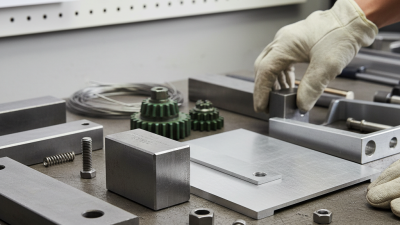
Details often reveal reliability. A well-prepared shipment may include labeled steel grades, protected machined surfaces, moisture-resistant packaging, and clear inspection records. These small features can prevent expensive delays at the receiving site. Still, no supplier is perfect. A company may excel at custom machining but struggle with urgent orders or complex export documentation. That limitation deserves honest consideration.
The suppliers discussed here represent different strengths, regions, and manufacturing profiles. Buyers should compare them against their own requirements rather than accept a ranking without verification. Independent audits, recent references, and written quality agreements can strengthen the decision. Experience helps, but careful questioning matters more. This is a starting point, not a substitute for due diligence.
For global buyers, a reliable metal and machine supplier proves performance through evidence, not polished promises. I look for clear material grades, dimensional tolerances, production capacity, and inspection procedures. A supplier should provide recent mill certificates, sample reports, and traceable batch numbers. These details matter when a small variation can stop an assembly line.
Communication reveals practical reliability. Can the supplier explain a machining tolerance in plain English? Can they confirm lead times without avoiding difficult questions? Good suppliers share production updates, packaging photos, and loading details before shipment. They also identify risks early, such as raw material shortages or tooling wear. Silence is expensive.
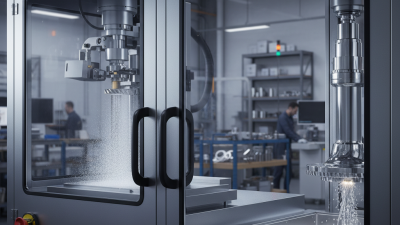
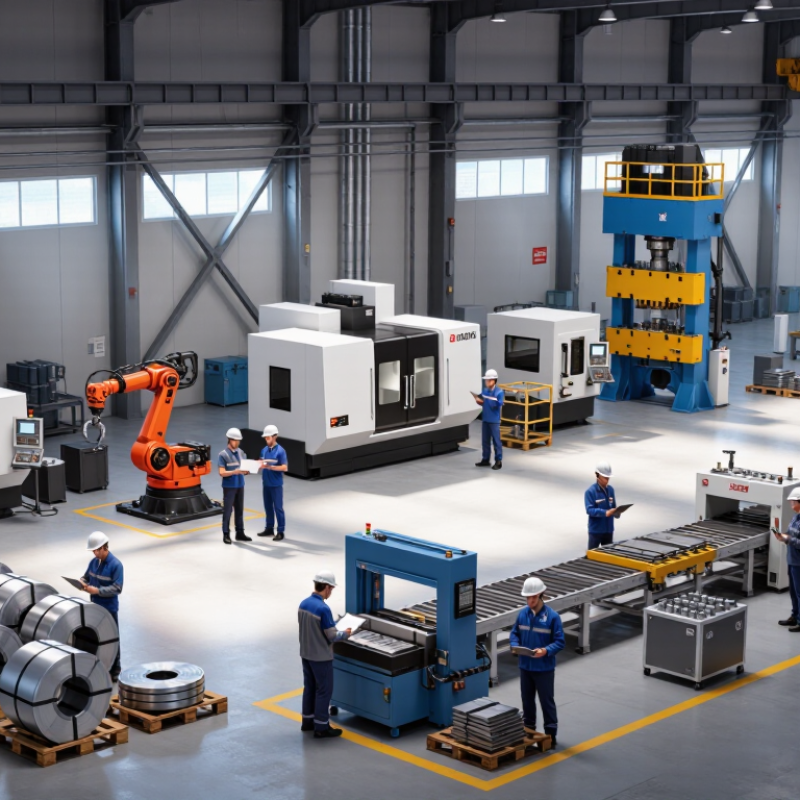
Site audits add useful confidence. Reviewers should examine cutting equipment, calibration records, storage conditions, and worker safety practices. A clean floor helps, but it does not prove consistent output. Test pieces and independent inspections provide stronger evidence. Payment terms, replacement procedures, and export documentation deserve equal attention. Reliability includes what happens after a defect appears.
No checklist is perfect. A supplier may pass an audit and still struggle with urgent orders. Buyers should begin with a manageable trial order, record actual delivery performance, and compare it with the original quotation. Honest feedback can improve the relationship, although not every supplier welcomes it. That response is information too.
The ten suppliers were selected through a practical screening process, not a popularity contest. We reviewed product range, manufacturing capacity, export experience, and documented quality systems. Suppliers had to provide clear specifications for steel, aluminum, copper, or fabricated components. Vague catalog descriptions reduced their scores.
We compared each supplier against the same operating checklist. It included material certificates, dimensional tolerances, surface finishes, minimum order quantities, and normal production lead times. We also checked whether traceability could follow a batch from raw material to shipment. Factory audits, inspection reports, and sample orders offered stronger evidence than attractive website claims. Communication mattered too. A reliable supplier should answer technical questions within a reasonable period and explain delays directly.
Pricing was only one part of the evaluation. We examined quotation clarity, packaging details, payment safeguards, export documents, and support after delivery. Suppliers with unusually low prices faced closer review because hidden costs can appear in tooling, testing, freight, or rejected goods. No scoring model is perfect. A smaller factory may provide better attention, while a large facility may offer stronger capacity. We recorded these trade-offs instead of forcing every supplier into one narrow formula. One weakness remained: production performance can change after the review. Regular rechecks are necessary.
10 Best Metal and Machine Suppliers for Global Buyers
Metal Products, Machinery, and Industry Expertise
Choosing a capable supplier requires more than comparing prices. Experienced buyers examine material grades, machining tolerances, production capacity, and inspection methods. A reliable supplier should provide mill certificates, dimensional reports, and clear packaging details. These documents help teams verify quality before goods leave the factory.
Strong suppliers often support steel, aluminum, stainless steel, castings, fabricated parts, and industrial machinery. Their engineers can review drawings and suggest practical changes. For example, a small radius adjustment may reduce machining time without weakening the part. Equipment buyers should also check power requirements, maintenance access, safety guards, and spare-part availability. Details matter.
Ask for samples when accuracy is critical. Request photographs of production lines, measuring equipment, and finished packaging. A supplier with real industry expertise will explain risks instead of promising perfection. No factory gets every detail right. A drawing may appear complete but still miss surface-finish requirements or shipping conditions. That gap deserves honest discussion. Buyers should compare lead times, payment terms, inspection plans, and communication quality together. The cheapest quotation can become expensive after rework, delays, or unclear specifications. Reliable cooperation grows through recorded approvals, regular updates, and measurable quality standards.
Crude steel production provides a useful scale indicator for evaluating metal supply capacity across major global sourcing markets. The figures are reported in million metric tons and exclude company or brand-level data.
Source: World Steel Association, World Steel in Figures 2024. Data represents reported 2023 crude steel production.
Global Shipping, Quality Standards, and Customer Support
Choosing metal and machine suppliers requires more than comparing prices. Global shipping is part of product quality. Experienced buyers check production capacity, export history, and delivery terms before placing orders. A reliable supplier should confirm Incoterms, packaging methods, customs documents, and estimated transit times. For heavy steel parts, reinforced crates and moisture protection can prevent expensive damage. Small details matter.
Quality claims mean little without evidence. Ask for material certificates, batch traceability, and inspection records. Standards such as ASTM, EN, and JIS should match the project requirements. For machined components, verify tolerances, surface finishes, and testing methods. Independent pre-shipment inspections can reveal scratches, incorrect dimensions, or missing accessories. These problems are common. I would also compare samples with approved technical drawings, not only photographs.
Customer support becomes critical after payment. A dependable team answers technical questions clearly and records design changes. Clear drawings help. During shipping, buyers may need updates about loading, documents, or port delays. Fast answers reduce confusion. Still, no supplier is flawless. A delayed reply may result from time zones, but repeated silence signals risk. Practical support includes replacement procedures, corrective reports, and a named contact for urgent issues. A short trial order can expose weaknesses before a larger commitment.
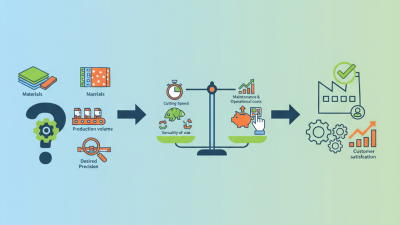
Choosing a metal or machine supplier starts with your drawings, tolerances, volumes, and delivery risks. A low quotation can hide tooling fees, inspection gaps, or unstable raw-material sourcing. Define measurable requirements: material grade, hardness, surface finish, dimensional tolerance, packaging, and acceptable defect rates.
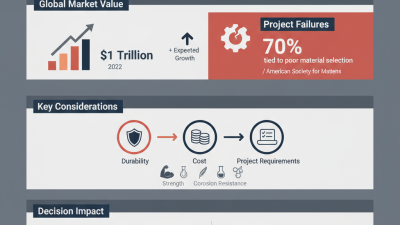
World Steel Association’s World Steel in Figures 2024 reported 1.89 billion tonnes of crude steel production in 2023. Capacity alone proves little. Ask how much relevant capacity is available for your program, not the factory’s total output. Request inspection records, calibration certificates, process capability data, and comparable customer references. Keep it practical.
Reliability also depends on cross-border execution. UNCTAD’s Review of Maritime Transport 2023 states that maritime shipping carries over 80% of global merchandise trade by volume. Therefore, port access, export documents, insurance, and contingency routes deserve close review. Compare promised lead times with actual shipment records. Audit a sample batch, not only the showroom sample. A polished sample may be atypical. Long sea voyages can expose weak packaging, corrosion control, and communication delays.
Use a weighted scorecard covering quality, landed cost, delivery, engineering support, and resilience. Include tooling, testing, duties, freight, rework, and downtime in the landed-cost calculation. Check traceability from heat or batch number to final inspection. Independent audits help, but they cannot replace your technical review. My cautious view is imperfect but useful: approve suppliers through pilot orders, because paperwork rarely reveals dimensional drift or poor packing.
| Supplier Category | Typical Materials | Core Capabilities | Common Product Forms | Typical Order Volume | Typical Lead Time | Common Quality Documents | Best Fit for Buyers | Key Selection Check |
|---|---|---|---|---|---|---|---|---|
| Carbon Steel Service Centers | Low-carbon steel, medium-carbon steel, structural grades | Stockholding, cutting, slitting, leveling, distribution | Sheets, plates, coils, bars, structural sections | Small batches to truckload quantities | Usually 1–4 weeks for stocked items | Mill test certificate, chemical analysis, mechanical test report | Construction, machinery, fabrication, maintenance | Verify grade, thickness tolerance, surface condition, and stock availability |
| Stainless Steel Distributors | Austenitic, ferritic, martensitic, and duplex stainless steels | Saw cutting, laser cutting, polishing, shearing, custom sizing | Coils, sheets, plates, tubes, bars, fittings | Prototype quantities to recurring industrial orders | 2–6 weeks, depending on grade and finish | Material certificate, corrosion-related test data, dimensional report | Food equipment, chemical processing, medical and architectural applications | Confirm alloy grade, finish, heat treatment, and corrosion requirements |
| Aluminum Stockholders | Wrought aluminum alloys for structural, transport, and general engineering use | Cut-to-length, sawing, CNC profiling, bending, surface finishing | Sheets, plates, bars, tubes, extrusions | From a few pieces to pallet or container quantities | 1–5 weeks for standard sizes | Mill certificate, temper designation, dimensional inspection report | Lightweight structures, transport equipment, electronics, general fabrication | Check alloy-temper combination, flatness, surface protection, and maximum dimensions |
| Precision CNC Machine Shops | Steel, stainless steel, aluminum, brass, copper, engineering plastics | CNC milling, turning, drilling, threading, inspection | Prototype parts, components, housings, shafts, brackets | 1 piece to several thousand pieces | 2–8 weeks after drawing approval | Dimensional inspection report, material certificate, first-article report | Industrial equipment, automation, robotics, replacement parts | Review tolerance capability, measuring equipment, surface finish, and drawing control |
| Sheet Metal Fabricators | Carbon steel, stainless steel, aluminum, galvanized steel | Laser cutting, punching, bending, welding, powder coating | Enclosures, panels, cabinets, brackets, frames | Prototype runs to medium-volume production | 3–8 weeks, depending on finishing and assembly | Dimensional report, coating report, weld inspection records | Electrical cabinets, machinery guards, commercial equipment | Confirm bend radius, weld quality, coating thickness, and packaging method |
| Structural Steel Fabricators | Structural carbon steel, weather-resistant steel, galvanized components | Cutting, drilling, welding, assembly, blasting, coating | Frames, beams, platforms, supports, fabricated assemblies | Project-based orders from several tonnes upward | 6–16 weeks for engineered projects | Weld procedure records, welder qualifications, coating reports, traceability records | Warehouses, infrastructure, industrial plants, energy projects | Assess engineering support, welding controls, load calculations, and export packing |
| Metal Casting Foundries | Cast iron, carbon steel, stainless steel, aluminum, copper alloys | Sand casting, investment casting, tooling, heat treatment, machining | Pump bodies, valve parts, housings, impellers, industrial castings | Small production runs to high-volume repeat orders | 6–14 weeks including tooling and sampling | Chemical analysis, tensile test, hardness report, radiographic or visual inspection | Pumps, valves, engines, heavy machinery, process equipment | Verify casting simulation, defect controls, machining allowance, and tooling ownership |
| Forging Suppliers | Carbon steel, alloy steel, stainless steel, aluminum, titanium alloys | Open-die forging, closed-die forging, heat treatment, machining | Flanges, rings, shafts, connecting parts, high-strength components | Usually batch orders with dedicated tooling for repeat parts | 8–20 weeks, depending on tooling and testing | Heat-treatment chart, mechanical tests, ultrasonic inspection, traceability records | Pressure equipment, transport, energy, heavy-duty machinery | Check grain-flow requirements, forging reduction, non-destructive testing, and tooling terms |
| Metal Fabrication and Welding Contractors | Carbon steel, stainless steel, aluminum, nickel-based alloys | TIG, MIG, submerged-arc welding, assembly, repair, site fabrication | Skids, tanks, piping assemblies, frames, custom weldments | One-off projects to recurring fabricated assemblies | 4–16 weeks, based on engineering and inspection requirements | Weld procedure qualification, welder qualification, pressure or leak test records | Process industries, utilities, marine equipment, custom machinery | Confirm welding standards, inspection level, dimensional control, and site-service capacity |
| Industrial Machine Builders | Steel, stainless steel, aluminum, castings, standard mechanical components | Engineering design, machining, assembly, testing, commissioning support | Production lines, automation equipment, conveyors, specialized machines | One machine, pilot line, or multi-unit project | 10–30 weeks for engineered-to-order equipment | Factory acceptance test, inspection plan, operating manuals, spare-parts list | Manufacturers needing integrated equipment rather than raw materials | Evaluate engineering depth, safety compliance, after-sales support, and spare-parts availability |
Note: Lead times, order volumes, and documentation requirements are typical industry ranges. Actual values depend on material availability, drawing complexity, inspection scope, tooling, destination, and agreed delivery terms.