How to Choose an Arc Cutting Machine in 2026?
Choosing an arc cutting machine in 2026 requires more than comparing prices and advertised amperage. The right machine must match your materials, production rhythm, workshop conditions, and operator experience.
Start with the metal you cut most often. Mild steel, stainless steel, and aluminum behave differently under heat. Thickness matters too. A machine rated for 25 millimeters may struggle during continuous production. Its duty cycle, pierce capacity, cutting speed, and kerf quality deserve equal attention. Small details become expensive quickly.
J. F. Lancaster, a respected welding author, wrote, “The arc is the heart of the welding process.” His observation remains valuable for modern cutting equipment. Arc stability affects edge smoothness, consumable life, and rework. It also reveals machine quality.
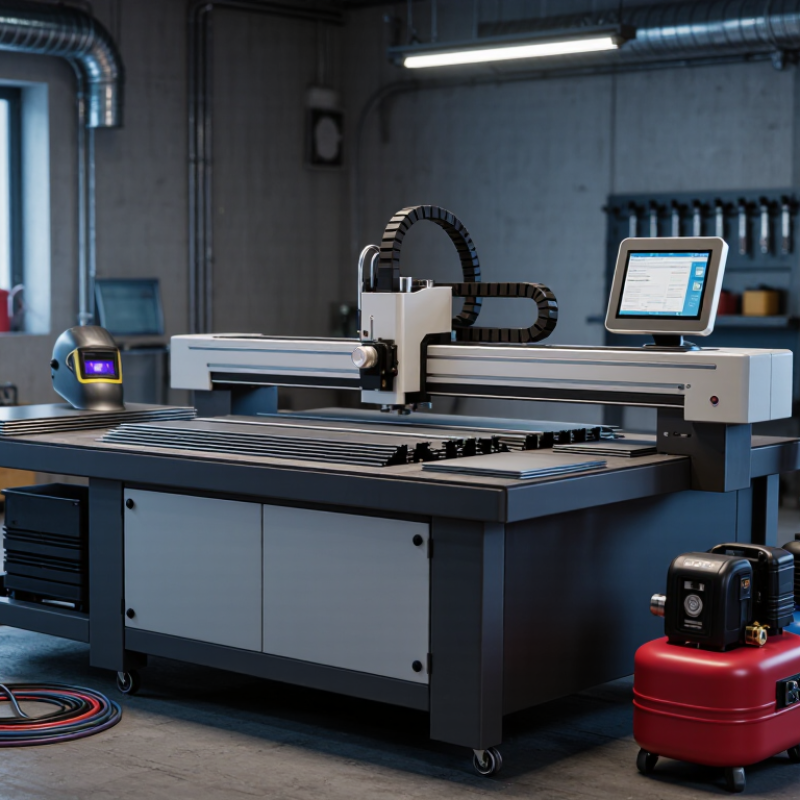
Look beyond the catalog. Inspect the torch design, electrode availability, air filtration requirements, and control interface. A clear display can reduce mistakes when gloves are thick and visibility is poor. A compact unit may suit field repairs, while a CNC-compatible system fits repeatable fabrication.
Do not trust maximum output alone. It is often measured under ideal conditions. Real workshops face voltage fluctuations, dirty air, long cables, and rushed maintenance. I have seen impressive machines deliver uneven cuts because their compressors were undersized. That is an uncomfortable lesson.
Check manufacturer documentation and independent service support before purchasing. Verify compliance with applicable electrical and workplace safety requirements. Ask whether replacement parts remain available after several years.
The best arc cutting machine is not always the fastest model. It is the one that produces dependable cuts, controls operating costs, and remains manageable on difficult days. Your first choice may still be imperfect. Testing sample material before purchase can expose that weakness early.
Define Arc Cutting Types: Plasma Arcs Can Exceed 20,000°C
How to Choose an Arc Cutting Machine in 2026?
Define Arc Cutting Types: Plasma Arcs Can Exceed 20,000°C
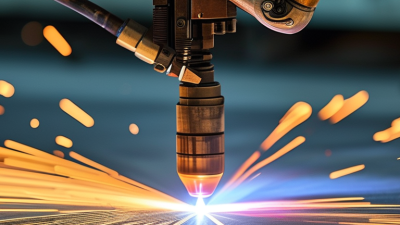
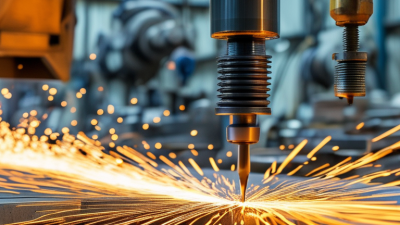
Arc cutting machines use heat and electrical energy to separate metal. Plasma cutting creates an ionized gas stream through a narrow nozzle. The plasma arc can exceed 20,000°C, although its exact temperature changes with gas flow, current, and torch design. This extreme heat melts the metal quickly, while the fast gas jet removes molten material from the kerf.
That distinction matters. The arc is not the same temperature everywhere. A thin sheet may need lower amperage and a smaller torch, while thick carbon steel demands greater cutting capacity. Check the rated piercing thickness, recommended cutting thickness, duty cycle, and available electrical supply. A machine that appears powerful may perform poorly when its air compressor cannot maintain stable pressure.
Arc cutting types also differ in purpose. Plasma suits conductive metals such as steel, stainless steel, and aluminum. Air carbon arc cutting is more suitable for gouging welds and removing defective metal. Do not select equipment by maximum amperage alone. I have seen buyers overlook consumable costs, cable length, and torch ergonomics. That mistake becomes expensive during long production shifts.
Real workshops are rarely perfect. Dust, moisture, voltage changes, and rushed setup can reduce cut quality. A practical test cut on your actual material remains more reliable than a specification sheet.
Match Material and Thickness: Plasma Systems Often Cut Steel up to 50 mm
Choosing an arc cutting machine in 2026 starts with the material, not the advertised amperage. Plasma systems often cut steel up to 50 mm, but that figure needs careful interpretation. A machine may pierce 50 mm slowly, while producing its cleanest edge on 20–30 mm plate. Steel grade, surface rust, moisture, and cutting speed all change the result. Test cuts matter.
For regular fabrication, match the machine’s recommended thickness to your real workload. If you usually cut 12 mm mild steel, selecting a system rated far beyond that may increase cost without improving accuracy. Check the duty cycle, torch cooling, air quality requirements, and replacement consumables. Clean, dry compressed air helps protect the electrode and keeps the arc stable. Small details matter.
I once trusted a maximum thickness figure too quickly. The cut was possible, but the lower edge carried heavy dross and needed grinding. That experience changed my selection method. I now compare rated cut, quality cut, and maximum severance capacity separately. Leave some capacity in reserve for warped sheets, slower production, and imperfect setup. A 50 mm rating is useful, not magical. For CNC work, also examine arc-start reliability, height control, kerf compensation, and available technical documentation. These features often determine whether the machine performs consistently after installation.
Compare Power and Performance Using IEC 60974-1 Duty-Cycle Ratings
Choosing an arc cutting machine in 2026 should begin with its IEC 60974-1 duty-cycle rating, not its advertised peak amperage. This standard expresses how long a power source can operate within a ten-minute test period. A 60% rating at 100 A means six minutes of cutting, followed by four minutes of cooling. The rating applies at stated current and test conditions, commonly with a 40°C ambient temperature. Read the label carefully. A rating at 160 A may not describe performance at your usual 90 A setting.
Match the rating to the actual job. For light fabrication, a 35% rating may be adequate when cuts are short and irregular. Continuous production requires more thermal headroom. If your work needs 120 A for long passes, choose a machine rated near that output, preferably with a higher percentage. A 60% unit can manage repeated six-minute cycles, but it should not be treated like a 100% machine. Keep airflow clear, clean dust from vents, and watch thermal indicators. In a hot workshop, recovery can be slower than the catalog suggests.
I have found operators focus on maximum current and overlook cable length, input stability, and torch cooling. That is an expensive mistake. Compare duty-cycle figures at the same amperage, then test a representative cut with your material thickness. Record cut length, pause time, and thermal shutdowns. Ratings help, but they cannot promise identical field results. Factory tests cannot reproduce every workshop. Leave reserve capacity for wear, warm days, and longer-than-planned jobs.
How to Choose an Arc Cutting Machine in 2026? - Compare Power and Performance Using IEC 60974-1 Duty-Cycle Ratings
| Machine Class |
Rated Cutting Current |
IEC 60974-1 Duty Cycle |
Approx. Continuous Current
at 100% Duty |
Typical Input Supply |
Typical Input Power |
Suitable Workload |
Selection Guidance |
| Light-Duty Class |
40–160 A |
35–60% at 40°C |
Approximately 95–125 A |
220–240 V, single-phase |
Approximately 4–8 kVA |
Intermittent repair, maintenance and thin-sheet fabrication |
Choose this class when cutting time is short and the machine can cool between operations. |
| Medium-Duty Class |
40–200 A |
60% at 40°C |
Approximately 155 A |
220–240 V or 380–415 V |
Approximately 7–12 kVA |
General fabrication, structural repair and moderate production |
A practical balance between portability, cutting capacity and thermal endurance. |
| Heavy-Duty Class |
40–250 A |
60–100% at 40°C |
Approximately 195–250 A |
380–415 V, three-phase |
Approximately 12–20 kVA |
Long cutting cycles, thicker plate and workshop production |
Prioritize a high 100% duty-cycle current when cutting continuously or repeatedly. |
| Industrial Class |
40–315 A |
60–100% at 40°C |
Approximately 245–315 A |
380–415 V, three-phase |
Approximately 18–28 kVA |
Production cutting, heavy fabrication and demanding repair work |
Confirm the facility has adequate three-phase capacity, ventilation and circuit protection. |
| High-Output Class |
40–400 A |
60–100% at 40°C |
Approximately 310–400 A |
380–415 V, three-phase |
Approximately 25–40 kVA |
Continuous industrial use and high-volume thick-material cutting |
Select this range only when the required current must be maintained for extended periods. |
| Extra-High-Output Class |
40–500 A |
60–100% at 40°C |
Approximately 385–500 A |
380–415 V, three-phase |
Approximately 35–55 kVA |
Very heavy plate, automated systems and continuous production lines |
Check supply transformer capacity, cable sizing, earthing, cooling and installation requirements before purchase. |
How to read the ratings: Under IEC 60974-1, duty cycle is normally expressed as the percentage of a 10-minute period during which the power source can operate at its rated current under specified test conditions. For example, a 60% duty cycle permits approximately 6 minutes of operation followed by approximately 4 minutes of cooling within the test cycle. The approximate 100% current values above use the thermal relationship
I100% ≈ Irated × √(duty cycle)
and should not replace the manufacturer’s certified rating.
Important: IEC 60974-1 duty-cycle ratings describe the thermal capability of the power source; they do not guarantee a specific cut thickness, cutting speed or consumable life. Compare the rated current, duty cycle, open-circuit voltage, input current, power factor, efficiency, cooling method and the manufacturer’s certified cutting data for the material and thickness you plan to process.
Verify Safety Compliance with OSHA 29 CFR 1910.252 and ISO 11611
Choosing an arc cutting machine in 2026 requires more than comparing amperage, speed, and price. Start by checking how the machine supports safe cutting under OSHA 29 CFR 1910.252. This rule addresses fire prevention, ventilation, protective equipment, and work-area controls. Ask for accessible manuals, maintenance instructions, and documented test results. A sales claim is not evidence.
Inspect the cutting table and nearby surfaces. Sparks should not reach cardboard, solvents, gas cylinders, or hidden floor openings. OSHA expectations also make ventilation important when fumes or coatings may be hazardous. Look for practical provisions, such as local exhaust connections, guarded moving parts, emergency stops, and clear access to controls. Verify grounding and cable condition during a live demonstration. Operators should wear suitable eye, face, hand, and body protection.
ISO 11611 focuses on protective clothing for welding and allied processes, not complete machine certification. Confirm that garments are tested for relevant heat, flame, and molten-metal exposure. Check the standard edition, test scope, and supplier documentation. Clothing must fit without loose cuffs near the torch. Small details matter. I once missed a ventilation measurement on a checklist. Correcting it later was uncomfortable and costly. Treat such gaps as warnings, not minor paperwork issues. Have a qualified safety professional verify the final setup for your workplace and local requirements.
How to Choose an Arc Cutting Machine in 2026?
Use this safety-verification checklist before selecting an arc cutting machine. OSHA 29 CFR 1910.252 addresses welding and cutting workplace controls, while ISO 11611 specifies protective clothing requirements for welding and allied processes.
How to read the chart: Each value of 1 indicates that the topic is covered by the referenced safety framework. ISO 11611 applies to protective clothing, not the machine itself; machine selection should also verify guarding, installation, ventilation, fire prevention, and worker protection under applicable OSHA requirements.
Calculate Three-Year Costs for Energy, Consumables, Maintenance, and ROI
How to Choose an Arc Cutting Machine in 2026?
A three-year cost review should begin with measured production data, not the purchase price. Record cutting hours, average power draw, material thickness, and monthly output. A machine drawing 12 kW for 1,200 hours yearly uses about 14,400 kWh. At $0.14 per kWh, energy costs reach $6,048 over three years. Real factories may pay different rates.
Consumables often decide the result. Electrodes, nozzles, shields, and abrasive parts can cost $0.08 to $0.25 per finished meter. For 90,000 meters, that equals $7,200 to $22,500. Track replacement intervals during trial cutting. Cheap parts may create rough edges, extra grinding, and hidden labor costs. That was a mistake in one workshop I reviewed.
Maintenance needs a written allowance. Include filters, cables, cooling components, software checks, and technician visits. A practical estimate might be $1,500 annually, but dusty environments can exceed it.
Add purchase, installation, training, and downtime costs to the model. Then calculate three-year cost: equipment, energy, consumables, maintenance, and labor.
ROI can be estimated by dividing total three-year profit by total investment. If faster cutting produces $45,000 in added gross profit, while total investment reaches $32,000, the return is about 41%. The estimate remains imperfect. Test it against actual production for three months before making a final decision.