Choosing the right finishing machine begins with understanding the job, not the brochure. A machine that excels at coating may perform poorly when handling delicate films, recycled board, or textured textiles. The correct decision depends on material behavior, production volume, finish quality, and available floor space.
Industry reports provide useful evidence. Smithers’ Future of Digital Print for Packaging to 2028 highlights shorter runs, faster version changes, and growing demand for customized packaging. These trends make setup time and changeover waste important purchasing measures. PMMI research also identifies automation, labor availability, and operational efficiency as major packaging investment concerns. Energy deserves equal attention. The U.S. Department of Energy notes that compressed-air systems can consume significant industrial electricity, especially when leaks and pressure losses remain unnoticed. A finishing machine with efficient drives, intelligent controls, and heat recovery may reduce operating costs beyond its purchase price.
Numbers can mislead.
A practical evaluation should include real samples, not only supplier demonstrations. Run the intended substrate at the required speed, then inspect gloss, adhesion, edge quality, drying, noise, and reject rates. Ask for documented maintenance intervals, operator training, spare-part availability, and safety certifications. ISO 9001-based quality systems can strengthen supplier reliability, but certification alone does not guarantee a suitable machine. Site conditions matter too. A compact machine may fit the layout yet lack ventilation, power capacity, or service access. I have found that the cheapest quote often hides longer setup times and higher waste. That assumption still needs testing. The best finishing machine is the one that delivers stable results across ordinary production days, not merely an impressive trial run.
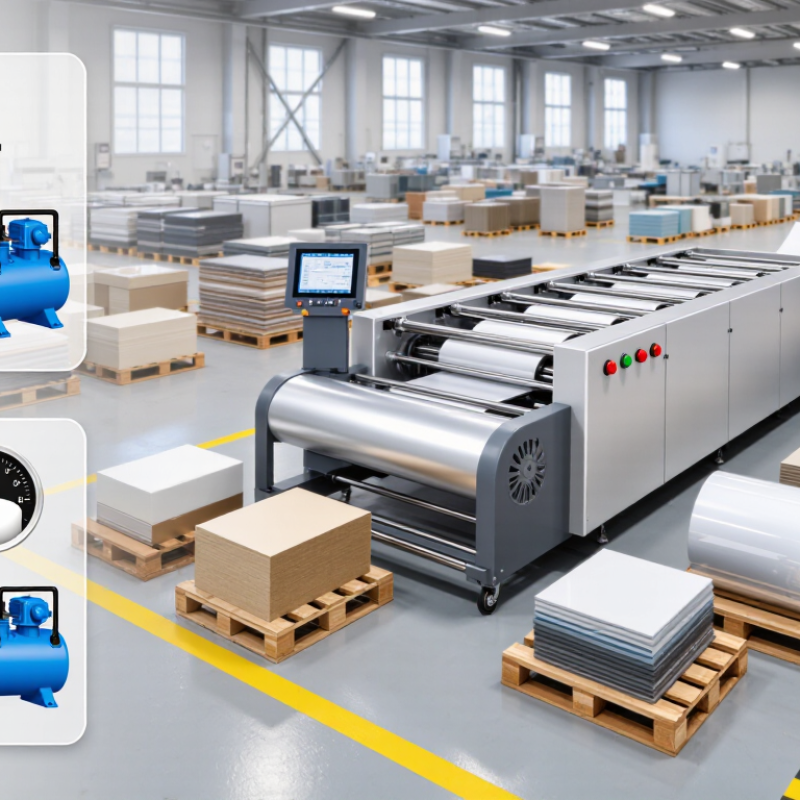
A finishing machine is equipment used after primary production to improve a product’s surface, shape, or performance. It may polish metal, smooth plastic, brush fabric, trim edges, or apply a protective coating. The machine handles the final stage, where small defects become highly visible. A rough edge, uneven sheen, or loose thread can change a customer’s judgment quickly.
Its operation depends on the material and the desired finish. Some machines use rotating brushes, abrasive belts, heated rollers, blades, or controlled pressure. Textile equipment may remove lint and create a softer hand feel. Metal finishing equipment can reduce burrs and produce a consistent surface. In practical production, operators should check temperature, speed, pressure, and tool wear regularly. Minor setting changes can create major differences.
Choosing the right machine starts with the product, not the machine catalog. Measure the material’s size, hardness, thickness, moisture, and expected output. Confirm whether the machine supports the required finish and production volume. A trial run is essential. Samples should be inspected under normal lighting, not only under factory lamps. Noise, dust, maintenance access, and operator safety also matter. A cheaper machine may cost more when cleaning takes hours. No finishing process is perfect. Occasional marks, uneven results, or setup errors should be recorded and reviewed. That feedback often reveals whether the machine, material, or process needs adjustment.
The right finishing machine must match the surface result, not just the material. Define the required roughness, edge quality, coating adhesion, and dimensional tolerance. A brushed panel, polished shaft, and deburred casting need different processes. Check the workpiece size and shape carefully. Narrow gaps, curved edges, and deep holes can limit tool access. In practice, sample testing reveals problems that brochures often miss. Measure the finished surface with suitable gauges, rather than relying only on visual inspection. Small variations can affect assembly, appearance, and product life.
Tips: Prepare real samples before purchasing. Test the hardest material and the most complex shape. Record cycle time, abrasive use, noise, dust, and operator adjustments. Ask whether the machine can maintain stable results across several shifts. A fast machine is not efficient if it creates repeated rework.
Production requirements also matter. The machine should meet expected output without damaging delicate surfaces. Consider automatic loading, recipe storage, pressure control, and easy cleaning. Confirm that replacement tooling and technical support are realistically available. I have seen teams focus on maximum speed, then discover inconsistent finishes at lower speeds. That assumption needs review. Leave room for future product changes, but avoid paying for features that your process will never use. Reliability comes from matching measured requirements with proven trials.
Choosing a finishing machine starts with comparing types, not chasing the fastest specification. Guillotine cutters suit precise sheet work. Creasing and folding machines support brochures, cartons, and short-run jobs. Digital die cutters handle variable shapes without traditional tooling. Laminators add surface protection, but they can slow production when curing or cooling is required.
Compare four practical capabilities: substrate range, maximum sheet size, changeover time, and automation. A machine rated for 350 gsm paper may struggle with textured board. Ask for a live test using your own stock. Smithers estimates the digital packaging print market could grow from about $22 billion in 2023 to $36.9 billion by 2028. That growth increases demand for flexible finishing, especially in shorter runs. Still, market forecasts vary. Capacity claims also need checking.
Tips: Measure your busiest shift, not your average day. Record setup minutes, waste sheets, operator touches, and stoppages. Choose controls that reduce repeated manual adjustments. Check whether sensors detect skewed sheets and missing sheets. Review service access, spare-part availability, and operator training before purchase. A cheaper machine may cost more through downtime. That is easy to overlook. Leave room for future substrates, but avoid paying for capabilities your team will never use. Our own evaluation should include imperfect jobs, because clean samples hide real production problems.
Comparison of common finishing machine types by throughput, surface-finish capability, versatility, automation, and setup speed.
Vibratory machines are well suited to economical batch processing and general deburring. Centrifugal disc machines provide faster, more intensive finishing for smaller parts. Belt machines are effective for directional grinding and edge finishing, while robotic systems offer the highest flexibility and automation for complex or high-mix production. Ratings use a practical 1–10 scale based on typical industrial operating characteristics; actual performance depends on part geometry, material, media, tooling, and process settings.
Start with the material, not the machine catalogue. Paper, film, fabric, wood, and metal react differently to heat, pressure, abrasion, and moisture. Check thickness, surface texture, flexibility, and tolerance requirements. A glossy sheet may need gentle handling, while a rough board can demand stronger pressure. Small samples reveal problems that specifications often hide.
Production volume changes the decision. For occasional work, a flexible machine with quick setup may be more practical than a high-speed system. For continuous production, calculate cycle time, loading effort, cleaning, and expected downtime. Ask how many finished pieces are needed per hour. Then test that figure under realistic conditions. In my experience, advertised speed rarely matches a busy workshop with material changes and minor adjustments.
Workflow matters just as much. Measure the space around the machine, including storage and operator movement. Check whether feeding, finishing, inspection, and packing connect smoothly. A technically powerful machine can still create bottlenecks. It happens. I once underestimated setup time and lost more capacity than the machine gained. Review maintenance access, operator training, noise, dust control, and quality checks before deciding. Record sample results, reject rates, and changeover times. One test is not enough. Repeated trials provide more dependable evidence.
Start with the workload, not the catalogue price. Define material type, daily batches, finish quality, cycle time, and available floor space. A machine that runs slowly may still be reliable for small production. A cheap machine can become expensive when setup takes forty minutes every shift. I have seen teams underestimate cleaning time. That mistake affected the real payback period.
Compare total ownership cost over five years. Include energy, consumables, tooling, maintenance, training, and expected downtime. The U.S. Department of Energy reports that compressed-air leaks can waste 20% to 30% of compressor output. Choose efficient pneumatic components and request measured air consumption. The International Energy Agency also identifies industrial energy efficiency as a major cost-control opportunity. Ask for test results, service response times, spare-parts availability, and maintenance intervals. Reliability needs evidence.
Check the machine under your actual conditions. Run representative materials, including difficult batches. Measure reject rates and operator adjustments. Request a written warranty with clear exclusions. A supplier should explain what happens after installation, not only during the sale. Independent service records are valuable. However, polished demonstrations can hide weaknesses. My first budget model was too optimistic. Leave room for installation and unexpected repairs. That buffer may protect production better than a larger feature list.