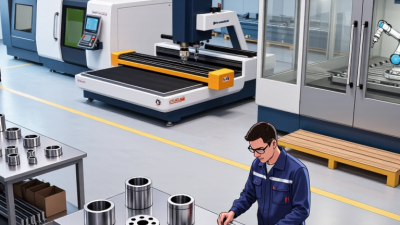
Custom fabrication and machining turn engineering drawings into parts that must fit, perform, and last. A narrow tolerance on a stainless-steel shaft matters as much as a clean weld on a large frame. Across the world, leading companies combine skilled trades, modern equipment, and disciplined quality checks. Their capabilities differ, though. One shop may excel at complex five-axis parts, while another handles heavy plate or short-run assemblies.
As quality expert W. Edwards Deming put it, “Quality comes not from inspection, but from improvement of the production process.” That principle offers a useful lens for comparing custom fabrication and machine providers. Look beyond impressive equipment lists. Ask how a company controls dimensions, documents material choices, manages revisions, and responds when a part fails inspection. Clear answers matter.
This guide introduces top custom fabrication and machining companies worldwide and the strengths that set them apart. It considers service range, technical capability, production scale, and evidence of consistent work. No single supplier suits every project. A prototype shop may not be the right fit for repeat production, and a large facility may not prioritize a one-off component. Those distinctions are easy to overlook. They deserve a closer look. Use the profiles as a starting point, then verify certifications, references, lead times, and project-specific requirements directly with each provider.
Understanding Custom Fabrication and Machining
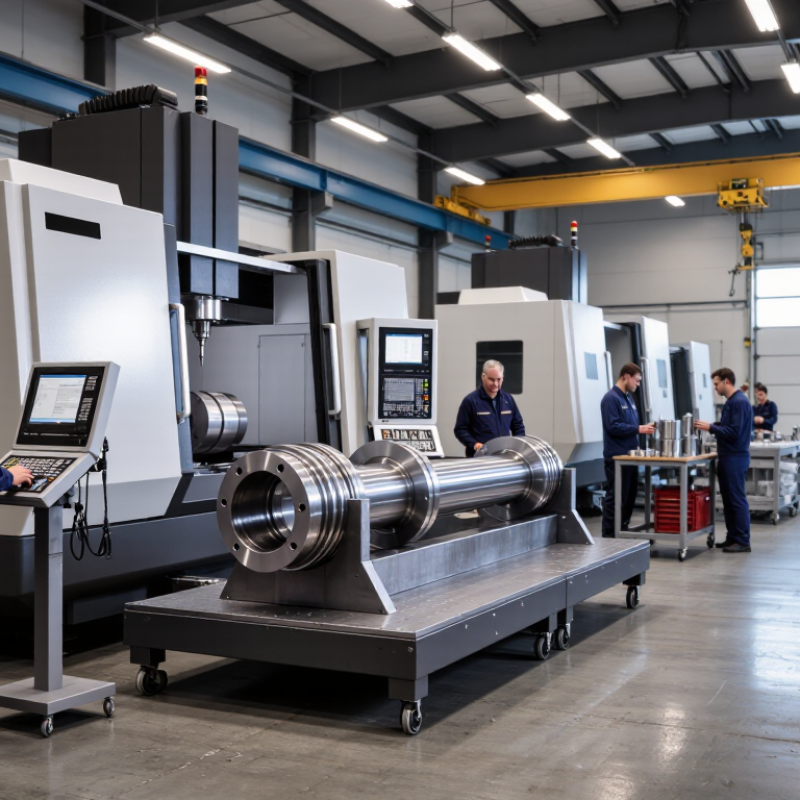
Custom fabrication and machining create parts to meet specific dimensions, functions, and operating conditions. Fabrication may involve cutting, bending, welding, and forming sheet or structural material. Machining removes material with tools to produce features such as holes, slots, and precise faces. Some projects need both. A welded frame, for example, may require machined mounting surfaces so connected parts sit squarely. Small details matter. Material, thickness, and production method all affect strength, cost, and lead time. A drawing can look complete and still leave a crucial question unanswered.
Tips: Share the part’s purpose, expected loads, environment, and mating components before requesting a quote. Include dimensions, tolerances, material specifications, and finish requirements. Keep tight tolerances only where function demands them; they can add inspection time and cost. Ask how parts will be measured. Clear questions help.
Reliable work depends on communication as much as equipment. A machinist may flag a thin wall that could flex during cutting, while a fabricator may suggest a joint that is easier to assemble. Review samples or first-article measurements when the design is new. Check that critical features match the drawing, not just the overall appearance. Even with careful planning, a prototype may reveal an awkward fit or an overlooked tool-access issue. That is useful feedback, not a failure. Revise the design before ordering a larger run.
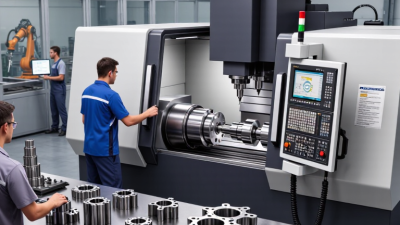
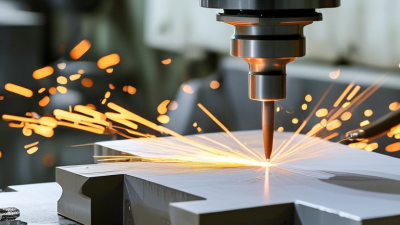
Custom fabrication and machining companies combine design review, cutting, forming, welding, and precision machining to turn drawings into usable parts. A typical job may involve laser-cut steel plate, bent flanges, and milled mounting holes. The details matter: a small fixture error can shift hole locations and complicate assembly. Skilled teams check tolerances, material certificates, and surface finish before production. Sometimes, a clear drawing still leaves room for interpretation.
CNC milling and turning support repeatable dimensions, while grinding and coordinate-measuring equipment help verify critical surfaces. Fabricators also use robotic welding for consistent seams and additive manufacturing for complex, low-volume components.
The International Federation of Robotics reported 4,281,585 industrial robots operating worldwide in 2023, a 10% rise from 2022, in its World Robotics 2024 report.
Wohlers Report 2024 estimated that the additive manufacturing industry reached $21.9 billion in 2023, growing 11.1%.
These figures show expanding technology use, not guaranteed savings for every shop. A robot may improve repeatability, but setup time and part variation still matter. Choosing the right process depends on geometry, material, order volume, and inspection needs.
Leading fabrication and machining companies should be evaluated on evidence, not polished capability lists. Buyers can compare dimensional accuracy, on-time delivery, scrap rates, inspection methods, and the ability to hold tolerances across repeat orders. Ask for sample inspection records and material traceability, then check whether reported results match the parts you need. A gleaming machine shop is not proof of consistent output. Shop floors differ.
Technical fit matters as much as price. Review whether a supplier can interpret drawings, recommend practical design changes, and manage finishing or assembly without losing control of quality. Check equipment capacity against your part’s size, material, and batch volume. Also examine how quickly the company flags a production risk. That conversation can reveal more than a sales presentation. Not the whole story.
Workforce stability and delivery capacity deserve attention, too. The Manufacturing Institute and Deloitte’s 2024 workforce study projected that 3.8 million U.S. manufacturing jobs could be created between 2024 and 2033, with 1.9 million potentially unfilled. That forecast is not a score for any individual supplier, but it highlights a real capacity risk. Ask how skills are maintained, how schedules are protected during absences, and how delays are communicated. Numbers help. Yet no scorecard captures every shift change, setup challenge, or rushed inspection; buyers should verify claims through references and a clearly defined trial order.
Suggested evaluation framework · Relative importance of each criterion (%)
The percentages are proposed scoring weights, not measured ratings of individual companies. They prioritize quality systems and technical capability, while also accounting for delivery reliability, engineering support, and global service reach. Apply the same criteria consistently when comparing suppliers.
Notable custom fabrication and machining companies worldwide earn recognition through consistent work, not simply impressive equipment lists. Their teams may cut sheet metal, weld structural frames, mill close-tolerance parts, or build one-off production fixtures. A capable shop can explain how material choice, heat, and finishing affect the finished component. Details matter.
Across regions, strong firms often serve industries that need different scales of work, from small precision parts to large welded assemblies. Some specialize in stainless steel enclosures; others machine aluminum housings or fabricate heavy support structures. Look for clear inspection practices, practical design feedback, and realistic lead times. A polished website alone proves little.
Choosing a supplier still takes judgment. Ask how the shop handles revisions, documents measurements, and protects parts during shipping. Request examples with similar materials and tolerances, not just attractive photos. Even experienced manufacturers can miss a detail, and buyers may provide incomplete drawings. That is worth admitting. Good collaboration depends on questions asked early, honest limits, and records that make each decision traceable.
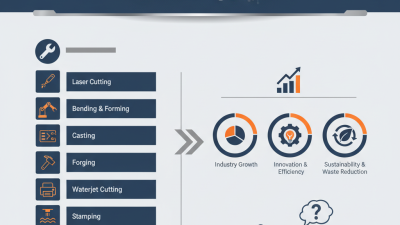
Company-free overview of major custom manufacturing specializations and the regions where these services are widely available. Capability descriptions are general industry information, not rankings or guarantees; actual tolerances, materials, and order quantities vary by supplier and part design.
| Specialization | Common Processes | Typical Materials | Representative Components | Typical Production Scale | Common Quality Requirements | Regions with Established Activity |
|---|---|---|---|---|---|---|
| CNC precision machining | CNC milling, turning, drilling, boring, and grinding | Aluminum, carbon and stainless steels, titanium, copper alloys, and engineering plastics | Housings, shafts, brackets, manifolds, and precision fixtures | Prototypes, small batches, and repeat production | Dimensional inspection; ISO 9001 quality systems are commonly used. Aerospace work may require AS9100-based quality systems. | North America, Europe, China, Japan, South Korea, Taiwan, and India |
| Sheet metal fabrication | Laser or plasma cutting, punching, bending, forming, and welding | Carbon steel, stainless steel, aluminum, and galvanized sheet | Enclosures, panels, cabinets, brackets, and equipment frames | One-off parts through high-volume production | Checks commonly cover dimensions, bends, welds, surface finish, and coating requirements. | North America, Europe, China, India, and Southeast Asia |
| Structural metal fabrication | Cutting, drilling, rolling, welding, and assembly of structural sections | Carbon steel, stainless steel, and, for selected applications, aluminum | Machine bases, platforms, frames, supports, and industrial structures | Project-based fabrication, from individual assemblies to large production runs | Weld procedures, welder qualifications, material traceability, and applicable structural codes may be required. | North America, Europe, China, India, Australia, and the Middle East |
| Custom casting and machining | Sand, investment, or die casting followed by machining and finishing | Aluminum, iron, steel, copper alloys, and selected specialty alloys | Pump bodies, valve components, housings, and complex near-net-shape parts | Prototypes and production runs; tooling needs depend on the casting method | Inspection may include dimensional checks, visual examination, and non-destructive testing where specified. | China, India, Europe, North America, Japan, and South Korea |
| Forging and precision machining | Open-die or closed-die forging, heat treatment, and CNC machining | Carbon and alloy steels, stainless steels, aluminum, and titanium alloys | Flanges, connecting components, industrial shafts, and load-bearing parts | Usually suited to repeat production; tooling and setup depend on part geometry and volume | Material certificates, heat-treatment records, dimensional inspection, and traceability may be specified. | Europe, North America, China, India, Japan, and South Korea |
| Industrial welding and assembly | MIG, TIG, resistance, and other qualified welding processes; mechanical assembly | Carbon steel, stainless steel, aluminum, and compatible dissimilar-metal combinations | Frames, tanks, skids, guards, and welded subassemblies | Custom project work and repeat assembly production | Requirements can include documented welding procedures, visual inspection, and specified non-destructive examination. | North America, Europe, China, India, and Southeast Asia |
| Custom fabrication for regulated industries | Machining, sheet metal work, welding, finishing, and controlled assembly | Application-dependent metals and engineering plastics | Medical equipment parts, aerospace components, and automotive production tooling | Prototype, qualification, and production stages, with controls set by the application | Sector-specific requirements may include AS9100 for aerospace or IATF 16949 for automotive supply chains; certification should be verified for each supplier. | North America, Europe, China, Japan, South Korea, India, and Mexico |
Custom fabrication and machining serve industries where parts must withstand real operating conditions, not merely match drawings. Energy projects need corrosion-resistant brackets and heavy housings. Medical equipment often requires smooth surfaces, tight tolerances, and repeatable cleaning. Food processing plants may specify welds with fewer crevices for residue to collect. A small edge can affect maintenance time.
Automotive, aerospace, agriculture, construction, and electronics use formed sheet, machined blocks, frames, and prototypes. Their priorities vary: lightweight structures, impact resistance, heat management, or quick replacement parts. Many workshops now combine CNC machining, laser cutting, robotic welding, and digital inspection records. Models can reveal design clashes early, while sensors help track tool wear. Still, software cannot fix an unclear drawing.
Buyers are showing more interest in production closer to their facilities, shorter lead times, and clearer supply visibility. Recycled metals, efficient material layouts, and lower-energy processes are becoming practical questions. Not every shop can afford every upgrade. That matters. Buyers can ask for material records, sample measurements, and realistic delivery assumptions. A polished digital model still cannot guarantee that finishing capacity is available when a rush order arrives.