Choosing the best air plasma arc cutting machine is less about chasing the highest amperage. It is about matching the machine to real workshop demands. A 40-amp unit may cut thin sheet cleanly, while a 100-amp system handles thicker steel with greater confidence. The wrong choice can waste power, consumables, and valuable production time.
Jim Colt, a recognized plasma-cutting educator and former Hypertherm technical expert, puts the principle simply: “The best plasma cutter is the one that fits the job.” That advice remains practical. Buyers should examine recommended cutting thickness, duty cycle, torch design, pilot-arc performance, and warranty support. A machine rated for 25 mm steel may only produce a clean edge at a lower thickness. Read the fine print.
Air quality matters too. Moisture, oil, and dust can damage consumables and distort the cut. A clean compressor, suitable filtration, and stable pressure can make a visible difference along a 6 mm steel plate. Check the shop’s electrical supply before ordering. Some machines require a dedicated circuit or three-phase power.
Safety cannot be treated as an optional feature. Look for thermal protection, clear controls, torch shielding, and reliable grounding. Operators should also use eye protection, gloves, hearing protection, and suitable ventilation. No checklist is perfect. I have seen capable machines underperform because users ignored consumable wear or poor air delivery. This guide explains how to compare performance, operating cost, portability, and long-term reliability before selecting an air plasma arc cutting machine.
How to Choose the Best Air Plasma Arc Cutting Machine
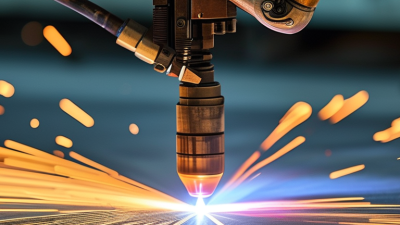
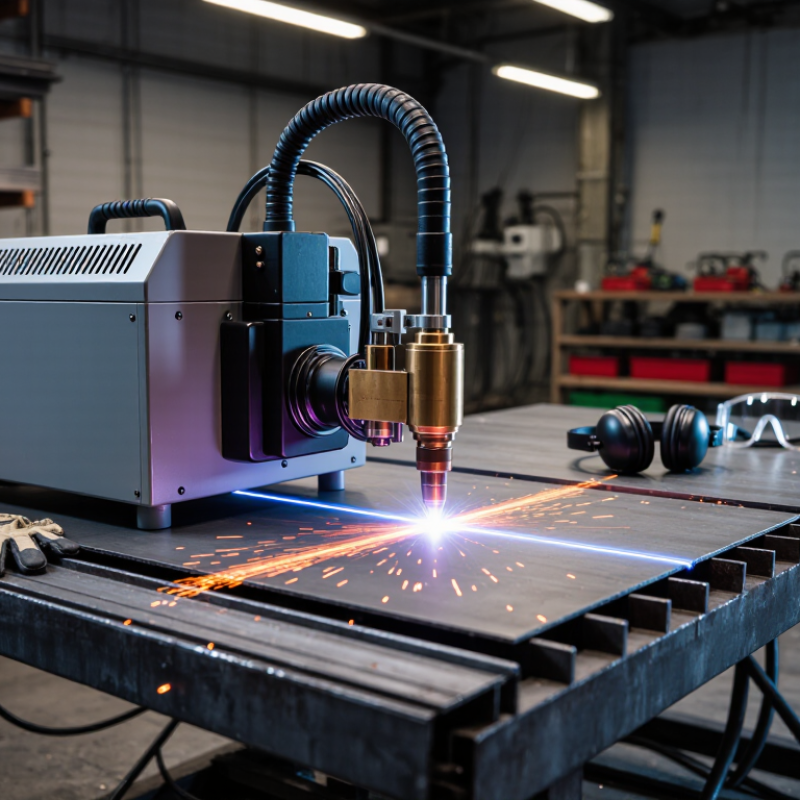
Understanding air plasma arc cutting technology is essential before comparing machines. Plasma cutting uses compressed air and an electric arc to create a high-temperature plasma jet. This jet melts conductive metal and pushes the molten material through a narrow cut. In practical workshop use, cutting speed depends on material thickness, air pressure, torch condition, and operator control. Mild steel, stainless steel, and aluminum may require different settings. A machine rated for 40 mm cutting may not produce clean edges at that thickness. Real performance is often lower.
Pay attention to duty cycle, amperage range, torch design, and air requirements. A stable pilot arc helps start cuts without touching the metal directly. Built-in protection can reduce damage from overheating, low air pressure, and electrical overload. Check the recommended compressor output carefully. Weak airflow can cause excessive dross, uneven edges, and early consumable wear. I have found that a machine with simple controls is often easier to use consistently. However, convenience should not replace cutting accuracy or serviceable parts.
Tips: Test the machine on your actual metal before buying. Inspect the cut underside for dross. Listen for irregular arc sounds. Keep the work clamp clean and firmly attached. Replace worn electrodes promptly. Record pressure and amperage settings for repeat jobs. Some cutting charts seem optimistic, so allow a safety margin. That small adjustment can prevent disappointing results.
Understanding Air Plasma Arc Cutting Technology
This chart shows representative maximum severance thickness for mild steel at different plasma cutting currents. Higher current generally increases cutting capacity, but actual results depend on material type, plate condition, compressed-air quality, torch design, travel speed, duty cycle, and the machine’s rated output.
Matching Machine Capacity to Your Cutting Requirements
Choosing an air plasma arc cutting machine starts with your material, not its maximum amperage. A machine rated for 40 mm steel may only pierce 20 mm reliably. Check three figures: recommended cut, maximum cut, and pierce capacity. For mild steel, record your usual thickness, occasional peak thickness, and required edge quality. A 65-amp system may suit 6–16 mm production work, while thicker plate demands stronger power, cleaner air, and slower travel.
Industry data supports careful capacity planning. The U.S. Bureau of Labor Statistics reported approximately 428,700 welding, cutting, and brazing jobs in 2023. That workforce often faces pressure to increase output without adding operators. Meanwhile, a 2024 market analysis by Grand View Research estimated continued growth in global plasma-cutting equipment demand. Growth does not mean every workshop needs a larger machine. Oversizing can increase purchase, power, and maintenance costs.
I once selected equipment around the thickest plate in a job list. That choice looked sensible, but daily work used thinner sheet. A smaller torch could have reduced operating costs. Measure actual duty cycles, too. If operators cut continuously, choose a rated duty cycle above the expected workload. Confirm compressor flow at the stated pressure, table dimensions, torch lead length, and consumable availability. Data sheets can be optimistic. Test a sample cut with your own steel before purchasing. Recognize the uncertainty. Your material mix may change next year.
A reliable power supply should match your material thickness and daily workload. Check the rated output current, duty cycle, and input voltage before comparing prices. A 40-amp unit may cut thin steel efficiently, but thicker plate demands greater capacity. Duty cycle matters during long production runs. A machine rated at 60% duty cycle may need cooling pauses after six minutes of continuous cutting. That interruption can affect workflow. I have found that real workshop conditions often differ from catalog claims.
Torch design directly affects cut quality and operator fatigue. Look for a balanced handle, clear trigger protection, and easily replaceable consumables. A longer torch can reach awkward corners, yet it may feel heavy during extended work. Pilot-arc capability helps start cuts on painted or lightly rusted surfaces, but it can increase consumable wear. Keep spare electrodes and nozzles nearby. Small mistakes become expensive when maintenance is delayed.
Control features should simplify decisions, not create another problem. A clear display should show amperage, air pressure, and fault conditions. Automatic pressure regulation can support steadier arcs, especially when supply pressure changes. For CNC use, check the interface, arc-start signal, and height-control compatibility. Manual users may prefer simple knobs over complex menus. Test the controls while wearing gloves. Some panels look advanced but are difficult to operate in a noisy shop. Record actual cut speed, edge angle, and consumable life during testing. Manufacturer data helps, but hands-on results deserve equal attention.
Material compatibility should guide your decision. Mild steel, stainless steel, and aluminum each respond differently to plasma heat. Copper-rich metals may require higher output and careful torch settings. Check the machine’s rated thickness, not only its maximum cutting claim. A machine that cuts 20 millimeters slowly may struggle with repeated production work. I once underestimated aluminum’s heat transfer and produced a rougher edge than expected. That mistake changed how I compare power ratings.
Precision depends on amperage control, torch stability, and table movement. A narrow kerf can reduce material waste, but only when air pressure remains consistent. Look for adjustable current and clear operating data. Thin sheet often needs lower amperage to prevent warping. Thick plate needs enough energy to maintain a steady arc. Measure the finished edge with a square and caliper. Visual inspection alone can hide a slight bevel.
Cutting speed affects both productivity and edge quality. Moving too slowly may create heavy dross underneath the workpiece. Moving too quickly can interrupt the arc and leave incomplete cuts. Compare the manufacturer’s speed charts with your actual material thickness. Then test a small sample. Real workshop conditions are rarely perfect. Moisture, worn consumables, and unstable air supply can reduce performance. The fastest machine is not always the most reliable choice. A balanced system usually delivers cleaner results with fewer corrections.
A reliable air plasma arc cutting machine should protect the operator before it proves its cutting speed. Check for torch detection, over-temperature protection, airflow monitoring, and automatic power shutdown. A stable ground connection also matters. During a workshop test, inspect the torch cable for heat damage and loose fittings. Small faults can become serious quickly. The emergency stop should be easy to reach, even while wearing gloves. Review the manual and confirm that safety features match your workplace procedures and local requirements.
Maintenance affects both cutting quality and downtime. Ask how often the machine needs air-filter cleaning, electrode replacement, and torch inspection. Moisture in compressed air can cause rough edges and shorten consumable life. A visible pressure gauge helps operators notice problems early. Keep a simple maintenance log near the machine. Record operating hours, air pressure, consumable changes, and unusual arc behavior.
I once underestimated electrode wear during a busy production week. The cut looked acceptable, but energy use increased and the nozzle deteriorated faster.
Operating cost includes more than the purchase price. Compare electricity use, compressed-air demand, consumable prices, service access, and expected duty cycle. A cheaper machine may require more frequent nozzle changes. Calculate cost per cutting hour using your actual material thickness and workload. Leave room for mistakes. Operators may waste material during setup, especially with unfamiliar controls. A short trial on real steel often reveals more than a polished specification sheet.