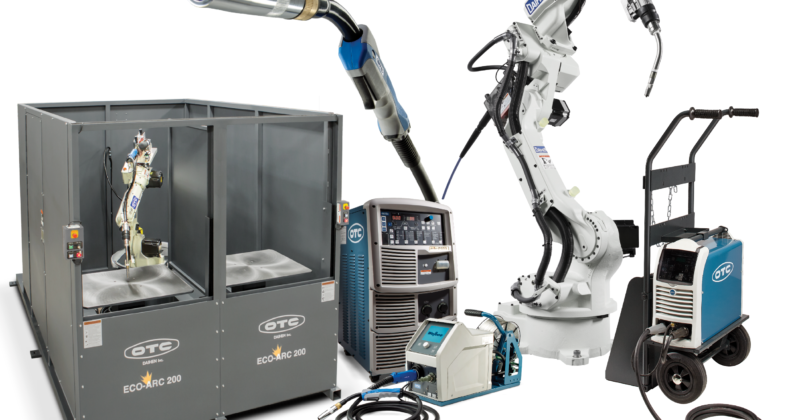
When Should My Company Invest in Robotic Welding?

Contributed by the experts at OTC Daihen

When you’re running a production facility, it can be hard to know when it’s the right time to invest in robotic welding automation for your assembly line. 

The questions can add up: When is the right time to make the switch? Can I justify the cost? How much downtime will be involved? Will the quality be a concern?

Use the questions and tips in this article to help you determine the right move for your production line.

Signs It’s Time to Buy a Welding Robot

There can be any number of reasons to buy a robotic welding system, but how do you know when you should take the plunge? Here are a few questions to ask about your business:

  • Has there been a decrease in available skilled welders in your area?
  • Are hourly rates going up because of increased costs of living? 
  • Are you starting to produce items that would be too difficult for an average welder to reach or weld effectively or safely? 
  • Are you spending too much time/money training welders and have a high turnover in that job?
  • Are you unable to take on the jobs you really want because of limited production capacity?

All of these are signs that you may be a good candidate to automate your line or potions of your line with robotic welding. 

The Welding Labor Shortage

The dwindling skilled labor pool is one reason that many companies are making the switch to automation. According to Tradesmen International, the shortage of welders is predicted to hit a deficit of 400,000 workers by 2024.

Also, many manufacturers are seeing their most skilled welders retire or approach retirement. In fact, the average age of a welder is 55, with 80 percent of welders over age 35.

“Some welding companies are supporting trade schools and driving kids back into welding, but those things aren’t going to take effect for a decade,” said Chris Sharp, Regional Sales Manager for OTC DAIHEN. “It’s going to get worse before it gets better.” 

How Much Does a Welding Robot Cost?

This is always a top question, and the answer is: it just depends. Robotic welding systems can range from around $40k to $250,000k+, depending on the model, features, and production levels. There is a wide price range because there truly are robotic welding solutions to fit every size and budget.

No company is too big or too small to look at investing in a robotic welding solution. The questions to ask are: Do you have a problem with labor or quality? Are you trying to increase your throughput? Are you trying to be more competitive in the marketplace? Are you looking to reduce manufacturing costs?

Robotic welding has a proven ROI as it helps manufacturers overcome the labor shortage, demands for faster production and a need for more capacity or advanced skills to fit complex new jobs on the line.

How Can I Justify the Cost of Automation?

Even once you feel it’s time for your company to try robotic automation, the perceived cost may hold you back. However, instead of making a decision based entirely on the sticker price of that shiny new piece of equipment, it’s more important to understand the ROI of robotic welding.

By far, labor is the biggest cost for manufacturing companies. If the average welder wage is $25 an hour, and you add in benefits, that’s costing you about $50 per hour. Combine that with the inefficiency and inconsistency inherent in human work and the costs quickly add up. 

“Most frequently, we see a robot pay for itself in labor savings costs in about 24 months,” said Sharp. “As soon as they pay off the robot, it’s just windfall. And that’s where the savings kick in.”

A smart way to help pay off that robot cost quickly is to amortize it across costs for your next job. For example, depending on the cost of a part, you might add $10 per part to your proposal. Spread over hundreds or thousands of parts, that can quickly help you realize a return on your investment. 

More Ways to Justify a Robot Purchase

Knowing when to buy a welding robot for your assembly line is important to keep your business operating successfully and economically. Justifying the purchase to other departments or executives is just as important. 

A discussion with you Sales Engineer is a great place to start. You will gain an understanding of what you can expect to invest and what the return will be compared to your current method.
Considering a Robotic Welder or Robotic Welding Cell? EXPLORE what OTC Daihen has to offer.

7 Effective Ways to Spend End-of-Year Budget


Don’t let your end-of-year budget go to waste.

The New Year is around the corner and you may be looking for effective ways to spend your end-of-year budget. Hit the ground running on Jan. 1 and positively impact your production capability going into the New Year!

Click below for purchasing ideas to get ahead in 2021:


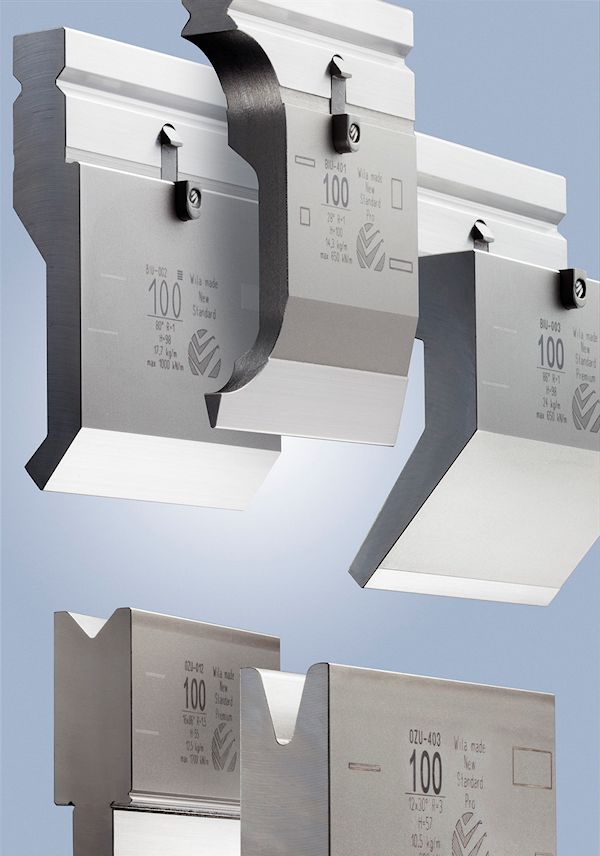
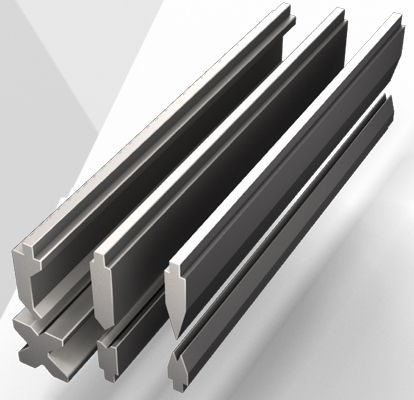
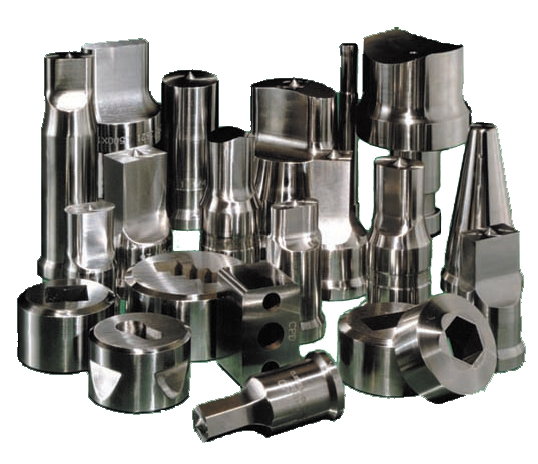
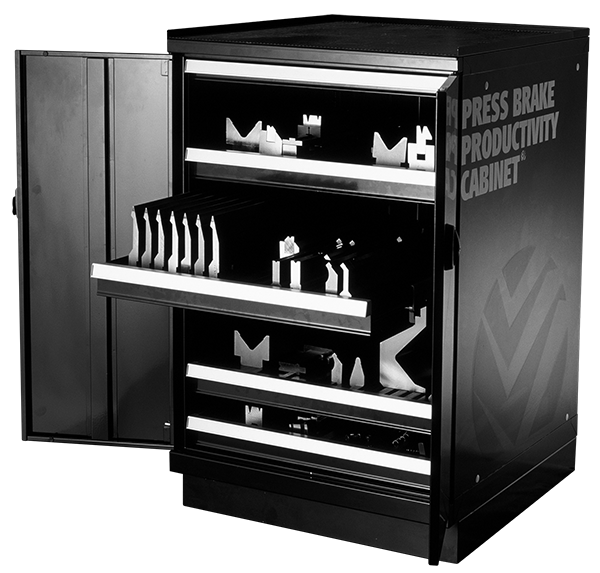
#7 Tooling

The CARES Act: An Opportunity to Bounce Back Stronger Than Ever

How revisions to NOLCB open up an opportunity to invest in machinery in 2020.

The Coronavirus Aid, Relief, and Economic Security (CARES) Act contains provisions to the US law as a result of COVID19. You have most likely read about, or directly interacted with, parts of the new laws involving insurance coverage, unemployment, and adjustments for loans, taxes and grants. Additionally, the CARES Act includes support for the global COVID19 response, paid sick leave, nutrition assistance and other programs and efforts. For S-Corps, C-Corps and LLC’s there is one edit to the federal tax laws which you may find interesting. Net Operating Loss Carryback (NOLCB) is a standing law that gives the ability for companies to deduct their current year tax losses against income from a prior tax year.

The Section 179 Deduction

This is the time of year businesses start exploring the advantages of section 179 of the tax code and Bonus Depreciation. The interest gets more intense as the year comes to an end. It is best to start year end planning NOW to make year end deliveries on machine tools.

David Goose of Commercial Credit Group understands this process better than most and has provided Fox Machinery’s customers with guidance for the past 12 years. As a part of his whitepaper entitled “The New Tax Law & Its Impact On Equipment Financing,” Goose reviews the new tax laws, laying out:
• Section 179 and Bonus Depreciation
• Corporations and Pass-through Entities
• Tax Deductible Business Expenses
• NOL, AMT and LKE

You are encouraged to DOWNLOAD and read the full whitepaper, however; we want to touch on one aspect in detail – Section 179.

What is Section 179?
Section 179 allows eligible small to mid-sized businesses to take additional tax deductions and depreciation, based on the purchase of qualifying equipment. These deductions effectively reduce the amount of a company’s taxable income, thus reducing the overall tax burden. There are restrictions and limitations, so if your company is thinking about taking advantage of Section 179 there are some important considerations you should be aware of as you engage in year-end planning.

A Compelling Benefit
Because this write-off can have such a significant impact on a company’s taxes, lets review how Section 179 works and how it can benefit your company. Let’s say your business has a taxable income of $250,000, and purchases a qualifying $250,000 machine. The purchase could effectively bring your taxable income to zero. If you’re in a normal or minimal tax environment this can mean an actual cash savings of around $50,000 or more.

Scheduled to expire in 2023, the change in Section 179 has already had economic impact. With the end goal to grow the US job market, taxpayers are encouraged to spend on equipment useful for manufacturing and building businesses. According to the Equipment Leasing & Finance Association, investments in equipment/software are expected to double in 2018, landing somewhere around 9%. Reports predict a 2.7% economic growth rate this year – powered by the financing and leasing of machinery and equipment.

The new tax plan contains several provisions that will impact equipment procurement – lower tax rates for businesses, non-deductibility of interest expense for C corporations, limiting like-kind exchanges to real property, and expensing of depreciable assets instead of writing them off over years. The key is to know how these changes may impact a company’s balance sheet, financial plan, and tax strategy, and to adjust accordingly to help improve the company’s financial performance.

Consider having discussions with your accountant, operations team and Fox Sales Engineer before the third quarter. A clear understanding of what technology and machine functionality will have the greatest impact will keep your business in line with your competition.

Want to know more?
CLICK to read a free whitepaper published by the pros: “Tax Cuts and Jobs Act” – an interview conducted by Mark Lempko and Don Pokorny, both of Commercial Credit Group Inc. (CCG), with Dixon Hughes Goodman LLP (DHG).

The information conveyed herein is meant to be informative and should not be construed as specific tax advice.

[maxbutton id=”9″]