2026 Top Advanced Metal Fabrication and Machining Suppliers

Selecting a metal supplier is rarely just a price comparison. A bracket that looks simple on screen may require tight tolerances, clean welds, and repeatable finishing. For buyers planning new equipment or production runs, the right partner can reduce rework and keep schedules more predictable. Small details matter.

This guide to 2026 Top Advanced Metal Fabrication and Machining Suppliers examines capabilities that buyers can verify: CNC machining, sheet metal forming, welding, surface finishing, inspection, and material documentation. It also considers practical questions, including prototype support, production capacity, communication, and how clearly a supplier explains its quality controls. An advanced metal fabrication and machine partner should be able to discuss these details in terms of the actual part, not just a broad list of services.

Supplier claims still need checking. Ask how critical dimensions are measured, what inspection records are available, and whether the quoted lead time includes finishing. A polished website cannot confirm how a shop handles a late design change. That gap deserves attention. No single supplier fits every project, and this overview is a starting point, not a substitute for reviewing drawings, samples, and requirements directly with each company. Comparing evidence alongside cost can help manufacturers make a more informed shortlist for 2026.

2026 Top Advanced Metal Fabrication and Machining Suppliers

Metal Fabrication and Machining: Scope and Industry Overview

Metal fabrication turns sheet, plate, tube, and structural sections into usable components through cutting, bending, forming, welding, and finishing. Machining removes material to reach tighter dimensions, using operations such as milling, turning, drilling, and grinding. Together, these services support equipment, buildings, transport, and energy systems. The work often begins with a drawing, but real parts bring surprises: a warped plate or an awkward weld can change the machining plan.

The market spans job shops, contract manufacturers, and integrated plants. Grand View Research estimated the global metal fabrication market at USD 20.37 billion in 2023, with projected growth of 4.7% annually from 2024 to 2030. Such estimates depend on how reports define fabrication, so they are useful context, not a guaranteed forecast. That distinction matters.

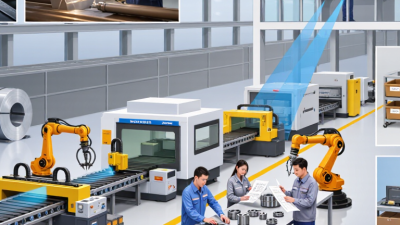
Automation is reshaping production, especially repetitive handling and inspection. The International Federation of Robotics reported 541,302 industrial robot installations worldwide in 2023 in its World Robotics 2024 report. Robots can improve consistency, yet setup, programming, and skilled oversight still matter. A good supplier therefore balances machine capacity with process knowledge, inspection discipline, and clear communication about tolerances, lead times, and material condition. The less polished part of the picture is that smaller, unusual jobs may not fit an automated cell well. Human judgment remains important.

2026 Top Advanced Metal Fabrication and Machining Suppliers - Metal Fabrication and Machining: Scope and Industry Overview
Supplier Capability Area Processes and Services Common Materials Typical Deliverables Key Selection Considerations Common End Markets
Sheet Metal Fabrication Laser or plasma cutting, punching, shearing, press-brake forming, welding, and assembly Carbon steel, stainless steel, aluminum, and selected copper alloys Brackets, panels, enclosures, frames, guards, and formed assemblies Maximum material size and thickness, bend capability, dimensional inspection, finish options, and prototype-to-production capacity Industrial equipment, electronics, transportation, energy, and building systems
CNC Machining CNC milling, turning, drilling, boring, tapping, and multi-axis machining Aluminum, steel, stainless steel, titanium, copper alloys, and engineering plastics Precision components, housings, shafts, plates, fixtures, and prototypes Part envelope, machine configuration, material traceability, measurement equipment, and stated tolerances for each feature Aerospace, medical devices, automotive, robotics, and industrial machinery
Welding and Structural Fabrication MIG, TIG, and other qualified welding processes; cutting, fit-up, and structural assembly Carbon steel, stainless steel, and aluminum, subject to process and application requirements Frames, skids, brackets, tanks, guards, and welded structures Welding procedures and qualifications, joint design, distortion control, inspection requirements, and applicable codes Construction equipment, energy, material handling, and process industries
Tube and Pipe Fabrication Tube laser cutting, sawing, bending, end forming, welding, and assembly Carbon steel, stainless steel, aluminum, and other specified tube or pipe materials Tubular frames, manifolds, supports, handrails, and fluid-handling components Section size, bend radius, wall thickness, material specification, and dimensional checks after forming Transportation, furniture, agriculture, industrial equipment, and fluid systems
Tooling, Dies, and Fixtures Precision milling, turning, grinding, EDM, toolmaking, and fixture design Tool steels, alloy steels, aluminum, copper alloys, and selected specialty materials Jigs, fixtures, molds, dies, gauges, and replacement tooling components Design-for-manufacture support, tool life needs, surface requirements, repair capability, and inspection documentation Manufacturing, packaging, automotive, electronics, and medical production
Finishing and Secondary Operations Deburring, polishing, heat treatment coordination, coating, plating, and marking Finishing method depends on the base metal, service environment, and specification Finished parts or assemblies ready for inspection, integration, or shipment Required coating or finish standard, masking areas, corrosion exposure, appearance criteria, and process records Applicable across industrial, transportation, consumer, and infrastructure products
Quality and Production Support Contract review, material verification, in-process checks, final inspection, and production planning Requirements are defined by the drawing, purchase specification, and applicable standards Inspection reports, material certificates when specified, traceability records, and production parts Quality-system scope, calibration practices, sampling plan, nonconformance handling, and documentation agreed before production Especially relevant to regulated, safety-critical, and high-reliability supply chains
Supplier Evaluation Factors Review technical fit, equipment and process coverage, engineering support, capacity, and supply-chain controls Confirm experience with the exact alloy, temper, grade, or specification required Quotes, samples, first-article results, production schedules, and agreed quality records Compare total delivered cost, lead time, production flexibility, communication, risk controls, and change-management practices Relevant to buyers across all metalworking sectors
Scope and Tolerance Notes Capabilities vary by equipment, part geometry, material, process sequence, and inspection method Material properties and certification needs should be confirmed against the engineering specification Define quantity, revision, finish, packaging, and inspection requirements in the request for quotation Do not assume a universal tolerance or capacity; obtain written confirmation for the specific drawing and order Applies to prototype, low-volume, and production procurement
This overview describes common industry capabilities and procurement considerations. Actual machine limits, tolerances, certifications, lead times, and material availability differ by supplier and must be verified for each project.

Advanced Processes Used by Leading Suppliers

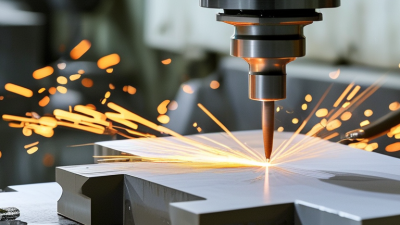
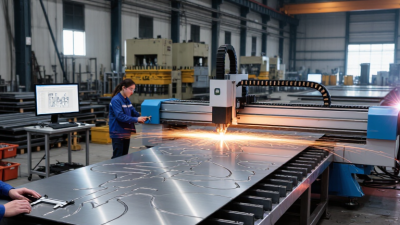
Leading metal fabrication suppliers select processes around the part, material, and production volume. Fiber-laser cutting produces detailed profiles in sheet metal, while waterjet cutting can limit heat exposure on sensitive alloys. Not every job needs the newest machine. A steady setup and an experienced operator often matter.

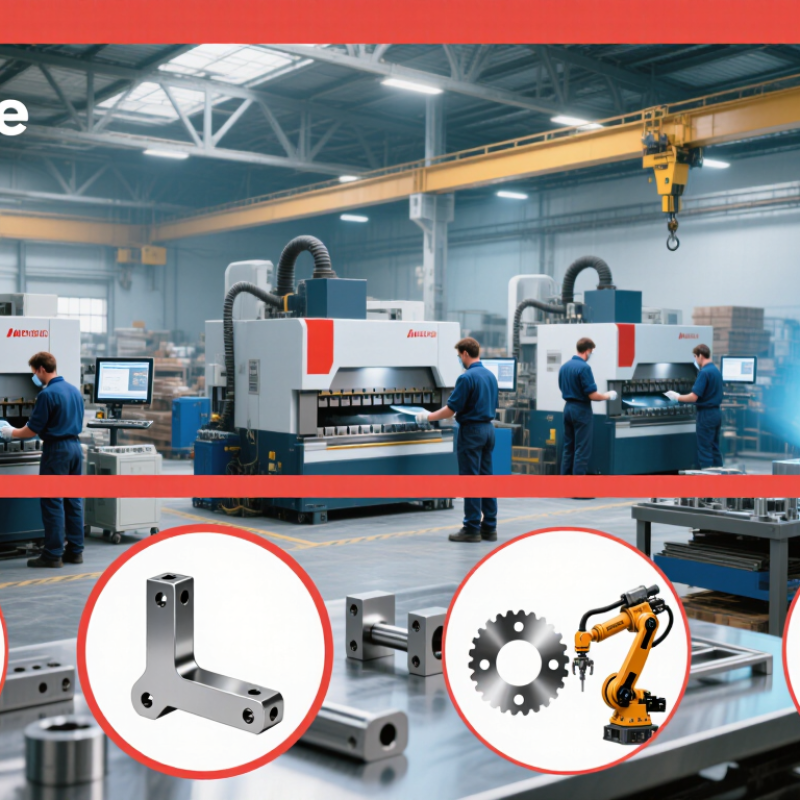
Press brakes form cut blanks into channels, enclosures, and brackets. For repeat runs, programmed backgauges help keep bends consistent, but springback still varies with material thickness and grain direction. Skilled teams check sample parts before committing to a full batch. Small corrections matter. Robotic welding can improve repeatability on long seams, while manual welding remains useful for awkward joints and low-volume work.

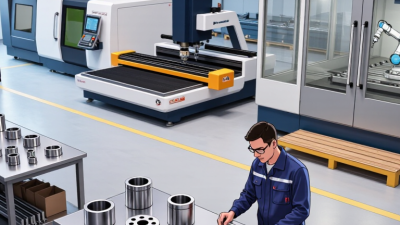
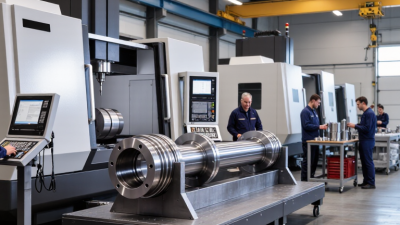
CNC milling and turning produce accurate holes, faces, and threads that fabrication alone cannot achieve. Suppliers may combine these operations with deburring, surface finishing, and coordinate measuring checks. A probe or caliper at the machine catches drift before it spreads across a batch. Still, a polished process plan can miss a real-world complication, such as tool wear or a warped plate. Clear inspection records and honest communication help customers judge whether the finished part meets its drawing and intended use.

Key Criteria for Evaluating Suppliers in 2026

Choosing a metal fabrication and machining supplier in 2026 starts with evidence, not polished sales language. Ask for recent examples using comparable alloys, thicknesses, tolerances, and production volumes. A shop that cuts 3 mm stainless sheet may not suit a 20 mm aluminum plate. Tight flatness requirements change the process. Review sample inspection reports, process plans, and nonconformance records. Details matter.

Evaluate the measurement system, not just the machine list. Ask how often gauges are calibrated and whether inspection equipment can verify your critical features. Confirm material certificates, lot traceability, and revision control where your application requires them. Test delivery promises against actual capacity, including setup, inspection, and rework time. A quick quote is useful, but vague answers about scrap or corrective action deserve follow-up. No supplier is perfect. What matters is whether problems are documented and addressed openly.

Tips: Provide a clear drawing and rank critical dimensions. Request a first-article inspection report and one sample part before releasing a larger order. Compare total cost, including finishing, packaging, and freight—not unit price alone.

Profiles of Top Advanced Fabrication and Machining Suppliers

Advanced fabrication and machining suppliers differ in more than equipment lists. A useful profile looks at how each shop handles the work between design approval and final inspection. Can its team cut, form, weld, and machine parts within the required tolerances? Does it document material grades and inspection results? These details matter when a stainless-steel enclosure must fit around a precisely machined mounting plate. A polished website cannot answer every question.

Tips: Ask for a sample inspection report and a clear explanation of measurement methods. Confirm typical lead times, batch sizes, and how design changes are managed. Walk through a recent project, if possible. Small details count.

The strongest supplier profiles also describe limits, not just strengths. One shop may suit complex, low-volume components, while another may be better equipped for repeat production. Ask how operators control heat distortion, tool wear, and surface finish. Request evidence relevant to your part, such as dimensional records or process notes. Be cautious when answers sound too certain; real production has variation. Even a capable supplier may need another setup trial, and that is worth discussing early.

Emerging Technologies and Trends Shaping Supplier Selection

Supplier selection in 2026 will depend on more than machine capacity and quoted lead times. Buyers should ask how suppliers connect CAD revisions, machine settings, inspection records, and delivery updates. A digital thread can reveal whether a tolerance change reached the shop floor before parts were cut. Ask for a sample traceability record, not just a software demonstration.

Deloitte’s 2024 Manufacturing Industry Outlook reported that 86% of surveyed manufacturing executives viewed smart factory solutions as a key competitiveness driver over the next five years. That is a signal, not a purchasing rule. For precision work, useful evidence may be simpler: spindle-vibration logs, tool-wear alerts, or a dated coordinate-measuring-machine report. Check whether the data covers the actual part and process.

The World Economic Forum’s 2023 Global Lighthouse Network report documented 132 manufacturing sites in its network, illustrating how digital production is moving beyond isolated pilots. Still, a connected dashboard cannot fix an unstable cutting process. Ask suppliers how they validate automated inspection, protect production data, and respond when a sensor flags drift. Small shops may have strong process control without polished dashboards; selection criteria should leave room for that imperfect reality.